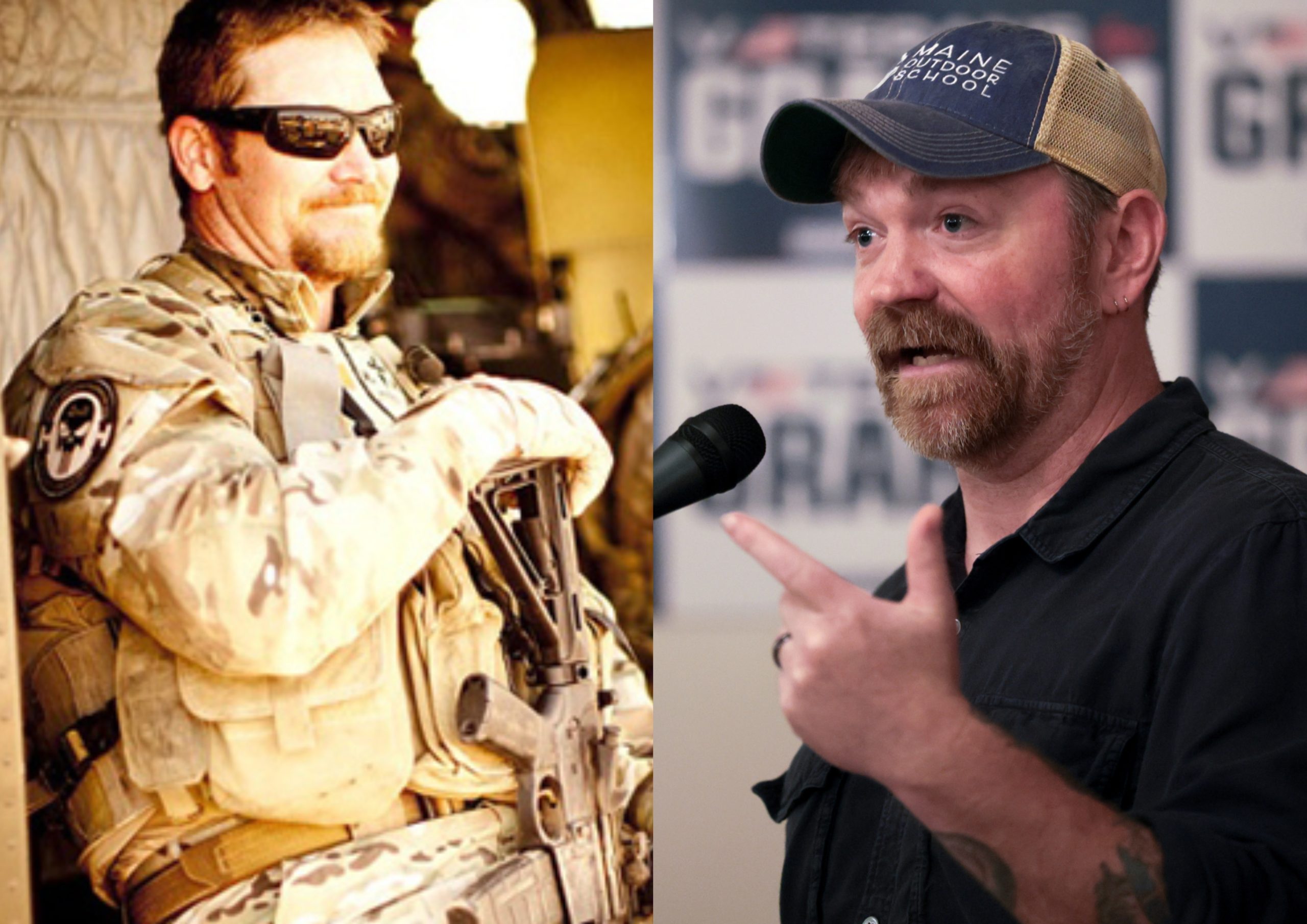
Chris Kyle, known as the 'American Sniper,' became a national symbol of military valor after his actions during the Iraq War earned him recognition. His story, however, has been repeatedly distorted by public figures who claim to understand his legacy without context. Taya Kyle, his widow, has recently highlighted this issue by confronting critics like Graham Platner, a Maine Senate candidate, whose remarks about Chris Kyle's military service have drawn sharp criticism.
Why Graham Platner's Claims About Chris Kyle Are Dangerous
Graham Platner, in a podcast rant, suggested that Chris Kyle's actions in combat were motivated by a desire to 'get high numbers'—a claim that directly contradicts documented evidence. This statement has been widely condemned as a mischaracterization of Kyle's service. Taya Kyle has called out Platner's remarks as 'cowardly,' emphasizing that such claims risk reducing a soldier's sacrifice to mere statistics or personal gain.
The controversy underscores a critical misunderstanding of military service. Kyle’s actions in Iraq, documented through official records and interviews, were not driven by an obsession with numbers but by a genuine commitment to national security and protecting civilians. The military’s role in combat operations is often conflated with reckless or self-serving behavior, which is a dangerous oversimplification.
What the Public Gets Wrong About Chris Kyle
- Platner’s claim that Kyle 'shot innocent civilians' to 'get high numbers' misrepresents the nature of combat operations in modern warfare.
- Chris Kyle’s service involved targeted engagements in high-risk environments, not random or indiscriminate firefights.
- The phrase 'getting high numbers' is a misinterpretation of military scoring systems, which are designed to measure effectiveness, not aggression.
Taya Kyle’s response highlights the importance of accurate historical context when discussing military service. Without proper understanding, public figures risk perpetuating harmful stereotypes about soldiers’ roles and motivations.
The ongoing debate around Chris Kyle’s legacy reveals a broader issue: the erosion of respect for military service due to sensationalized narratives. When individuals like Platner reduce a soldier’s sacrifice to a simplistic narrative, they undermine the very values that military service aims to uphold.
As Memorial Day approaches, it’s crucial to remember that behind every name on a military service record is a person with a story, a family, and a commitment to duty. Taya Kyle’s efforts to correct misrepresentations of her husband’s service are a vital reminder of the need for accountability in public discourse.