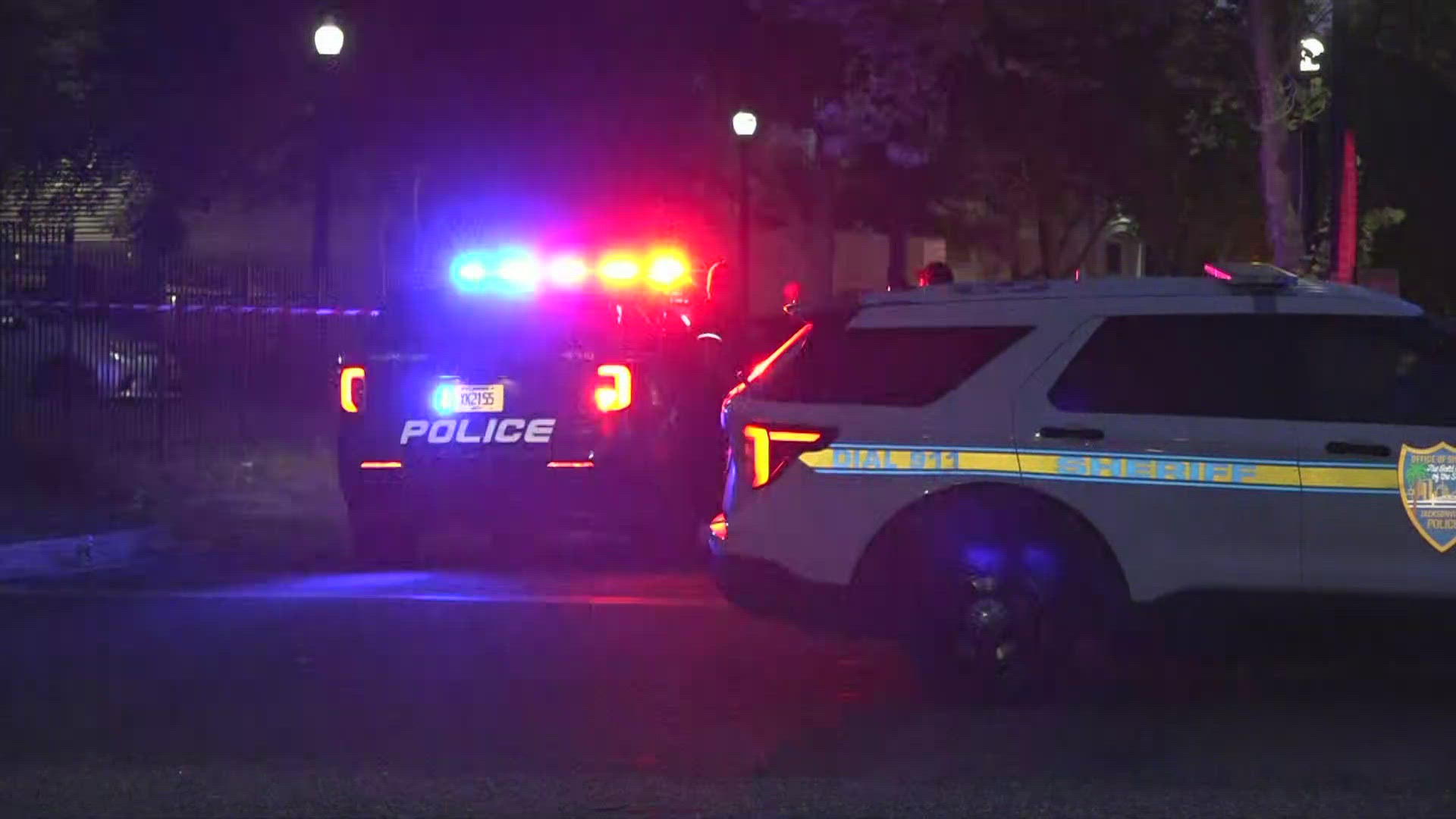
Recent events in Jacksonville, Florida, have shed light on a tragic incident involving a tow truck driver who was fatally shot while repossessing a vehicle at an apartment complex. This case, now under investigation by the Jacksonville Sheriff's Office (JSO), has raised significant questions about the intersection of property rights, legal procedures, and armed conflict in urban settings.
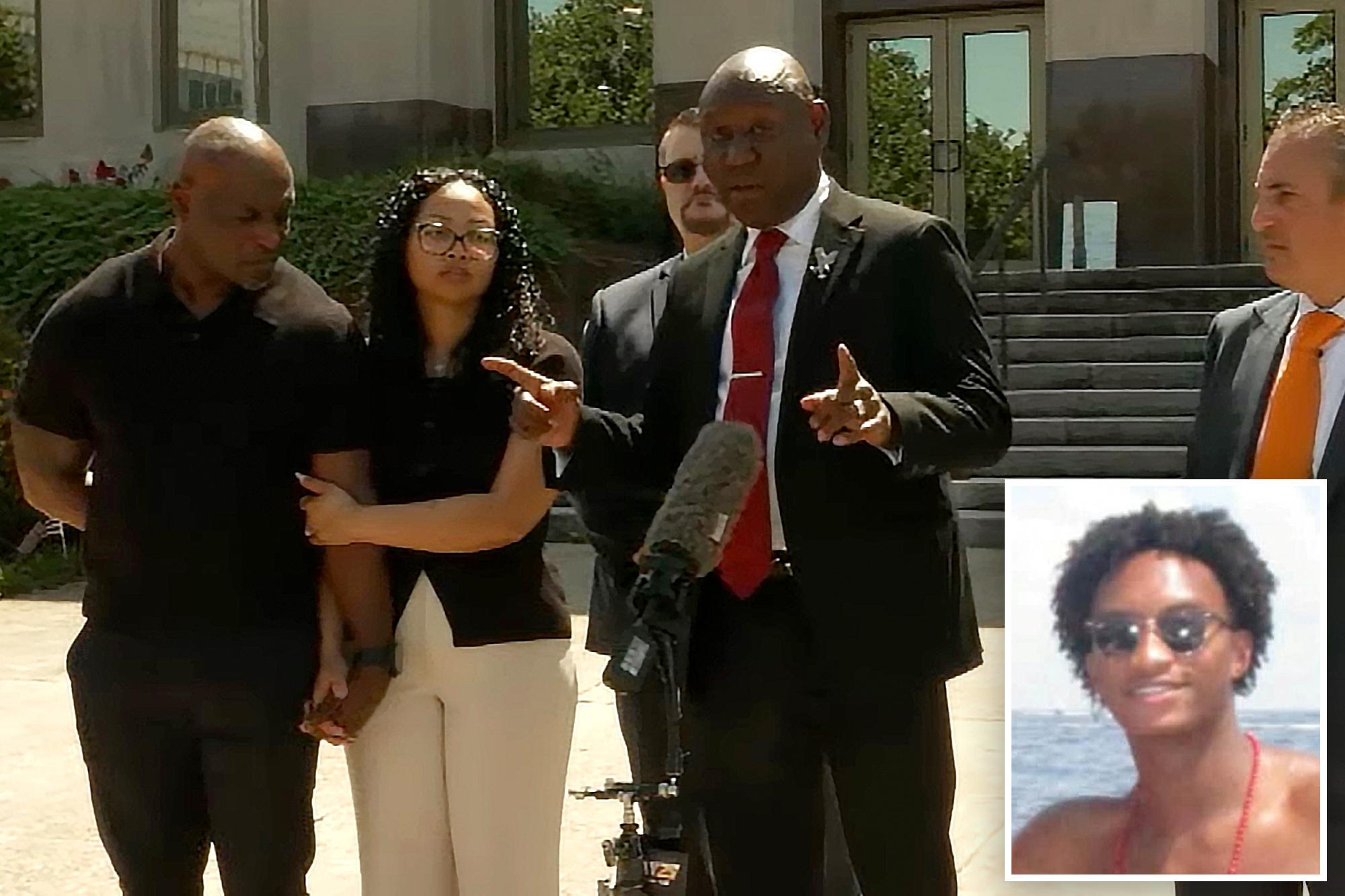
The incident occurred amid a complex series of events that began with a repossession attempt by a licensed tow truck driver. According to JSO reports, the driver was engaged in a routine repossession process at a Jacksonville apartment complex when the vehicle owner intervened, triggering a confrontation that escalated into a lethal altercation. The victim, identified by family members as a professional tow truck operator, was found dead at the scene with no known prior criminal history.
Local authorities have confirmed that six advisories were active across six regions in the area at the time of the incident, highlighting the volatility of the neighborhood and the potential for escalation during high-stress property disputes. The JSO has indicated that the owner's intervention was a critical factor in the unfolding events, which led to the driver being shot to death.
Why does this incident matter for understanding urban conflict escalation?
The case is significant not only for its immediate consequences but also for its broader implications on how property disputes are handled in urban environments. In many cases, repossession operations, which are often perceived as routine, can quickly become volatile when they involve high-stress interactions with owners who feel their rights are being violated.
- Repossession disputes can trigger violent confrontations when perceived as aggressive or unprofessional
- Urban areas with high rates of property disputes often see escalation into physical altercations
- Local law enforcement agencies frequently face challenges in managing these situations due to limited resources and training
Experts in criminal justice and urban conflict resolution emphasize that this incident reflects a growing trend of conflict between private entities (like towing companies) and individuals who feel their property rights are being infringed upon. The JSO's response to this incident has also highlighted the need for better communication and de-escalation protocols during high-stress property disputes.
Further investigation is ongoing, with the JSO working to determine the exact sequence of events leading to the fatal outcome. The case has also sparked discussions about the role of community-based conflict resolution mechanisms, which could help prevent similar incidents in the future.