

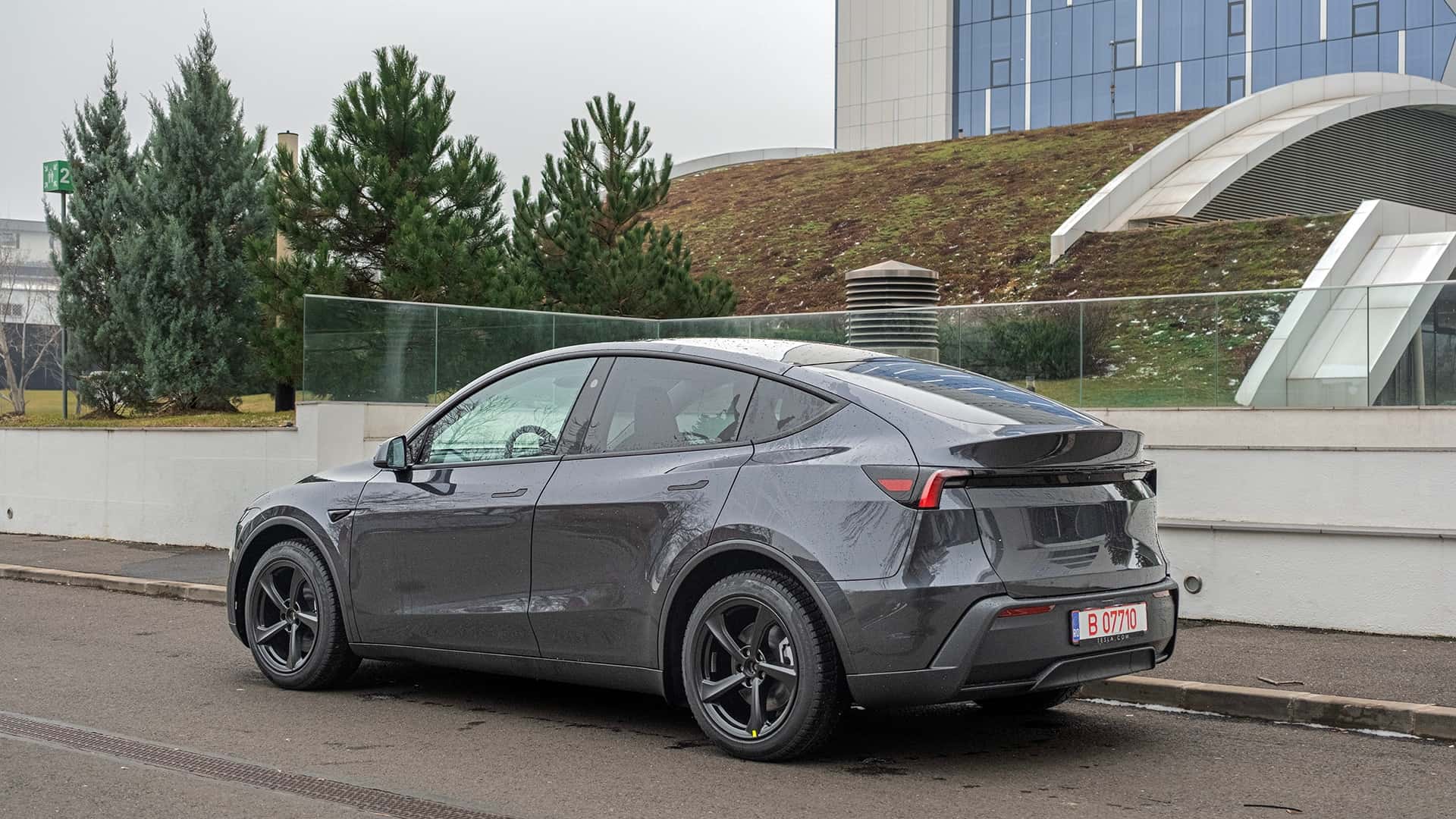
Electric vehicles have surged from niche curiosity to mainstream reality, with global sales reaching unprecedented heights in 2025. The International Energy Agency (IEA) recently confirmed that electric car sales have surpassed 20 million units worldwide—a milestone that underscores the rapid adoption of clean transportation solutions. This growth isn't just a market shift; it's a fundamental transformation in how societies approach energy consumption and urban planning.
While the U.S. has lagged behind in electrification efforts, the rest of the world has accelerated its transition to electric mobility. According to a recent report, plug-in electric vehicles accounted for 25% of new car sales globally in 2026, a significant jump from previous years. This divergence highlights the uneven progress across regions, with Europe and Asia leading the way while North America faces challenges in scaling up its electric vehicle infrastructure.
Why Is the U.S. Falling Behind?
The U.S. is at a critical juncture in its electric vehicle journey. Despite having strong government incentives and technological capabilities, the country has not yet matched the global pace of adoption. A key factor is the slow deployment of charging infrastructure, which remains fragmented and underfunded compared to other regions. Without sufficient fast-charging networks, consumers hesitate to commit to EVs, creating a bottleneck in market expansion.
- Charging infrastructure gaps in rural and suburban areas
- Limited access to affordable, high-capacity chargers
- Policy misalignment between state and federal incentives
The consequences of this lag are stark. As the global market shifts toward sustainability, the U.S. risks becoming a net emitter of carbon emissions due to its reliance on fossil fuel vehicles in regions with poor connectivity to renewable energy sources.
What's Next for Electric Mobility?
Looking ahead, the next phase of electric vehicle growth will depend on three critical factors: scaling up charging networks, harmonizing policy frameworks, and integrating EVs into broader urban planning strategies. For example, cities like Oslo and Amsterdam have successfully integrated EVs into their public transit systems, reducing traffic congestion and improving air quality. These models offer a blueprint for the U.S. to catch up.
The IEA report highlights that by 2027, over 30% of global new car sales will be electric. This projection suggests that the U.S. must act faster to avoid falling further behind. Without immediate action, the gap between the U.S. and other leading markets could widen, risking both economic competitiveness and environmental progress.
The takeaway is clear: the global electric car revolution is no longer a trend—it's a reality. With the right policies and investments, the U.S. can accelerate its transition and become a leader in sustainable mobility. But for now, the world is already moving forward, and the U.S. must catch up before it's too late.



