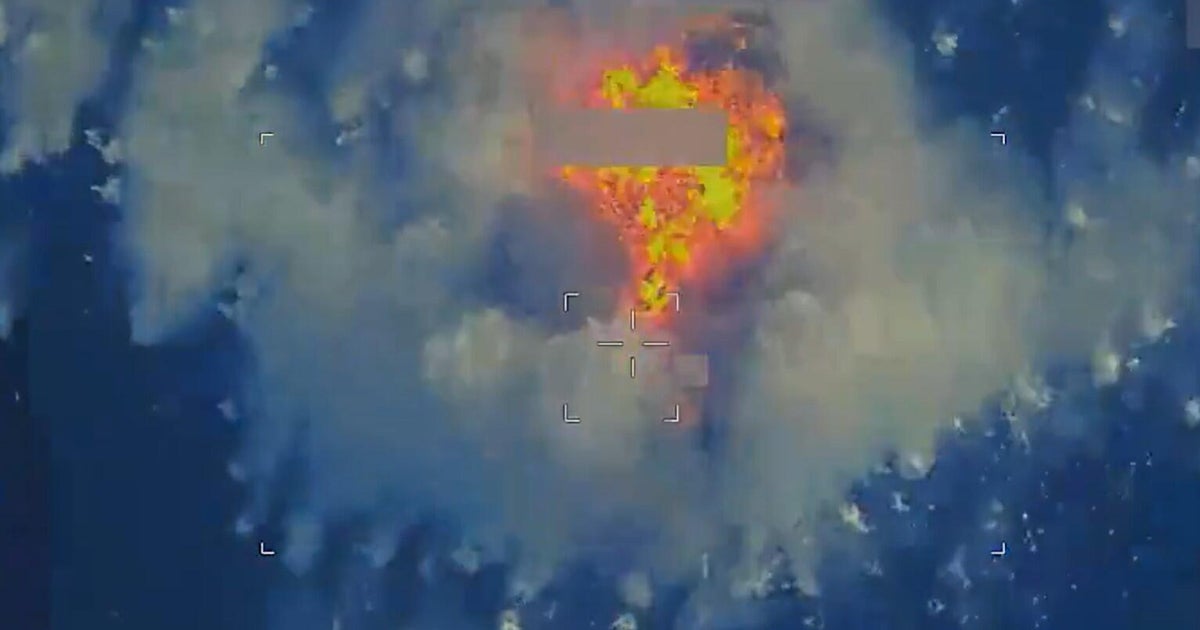
As the U.S. military continues its intensified operations against vessels suspected of drug trafficking in the eastern Pacific Ocean, the death toll from recent strikes has surpassed 200. This grim milestone, confirmed by U.S. Southern Command, underscores a complex and evolving conflict with significant humanitarian and strategic implications.
How Many Lives Have Been Lost in the Pacific? The Numbers Tell a Stark Story
According to verified reports from U.S. Southern Command, the cumulative impact of these strikes has escalated dramatically. In a coordinated action targeting a vessel allegedly carrying drugs, the U.S. military reported three fatalities and two survivors in the most recent attack. This marks the third such strike within a single week, pushing the total death toll above 200 individuals. The pattern of these operations reflects a strategic response to the persistent challenge of transnational drug trafficking, which has long been a critical threat to maritime security and regional stability.
While the U.S. government emphasizes the importance of disrupting illegal drug networks, critics highlight the disproportionate human cost. The use of precision strikes against small, fast-moving boats operating in remote waters has raised ethical concerns about collateral damage and the protection of innocent civilians, particularly in regions where these boats often carry refugees or displaced persons from conflict zones.
What Drives the U.S. Military’s Strategy in the Pacific?
- Geographic targeting: The Pacific has become a primary corridor for drug trafficking, with vessels often moving through international waters to avoid detection.
- Real-time intelligence: The U.S. military relies on advanced surveillance and data analytics to identify and intercept suspected drug carriers.
- Interagency coordination: The operation involves multiple federal agencies, including the Coast Guard and intelligence services, to ensure rapid response and minimize operational risks.
The strategic focus on the Pacific is not new. Historically, the U.S. has targeted drug traffickers in this region for decades, with similar tactics deployed during the Cold War to disrupt Soviet-era smuggling networks. However, the scale and frequency of these recent strikes signal a heightened urgency in the current climate of global drug trafficking.
The humanitarian consequences of these actions remain a critical concern. As the death toll rises, advocates for international maritime safety and human rights have called for more transparent communication and better safeguards to protect vulnerable populations. The U.S. military’s decision to use force in these contexts must balance national security imperatives with the ethical obligations of protecting all individuals, regardless of their background or perceived involvement in illicit activities.