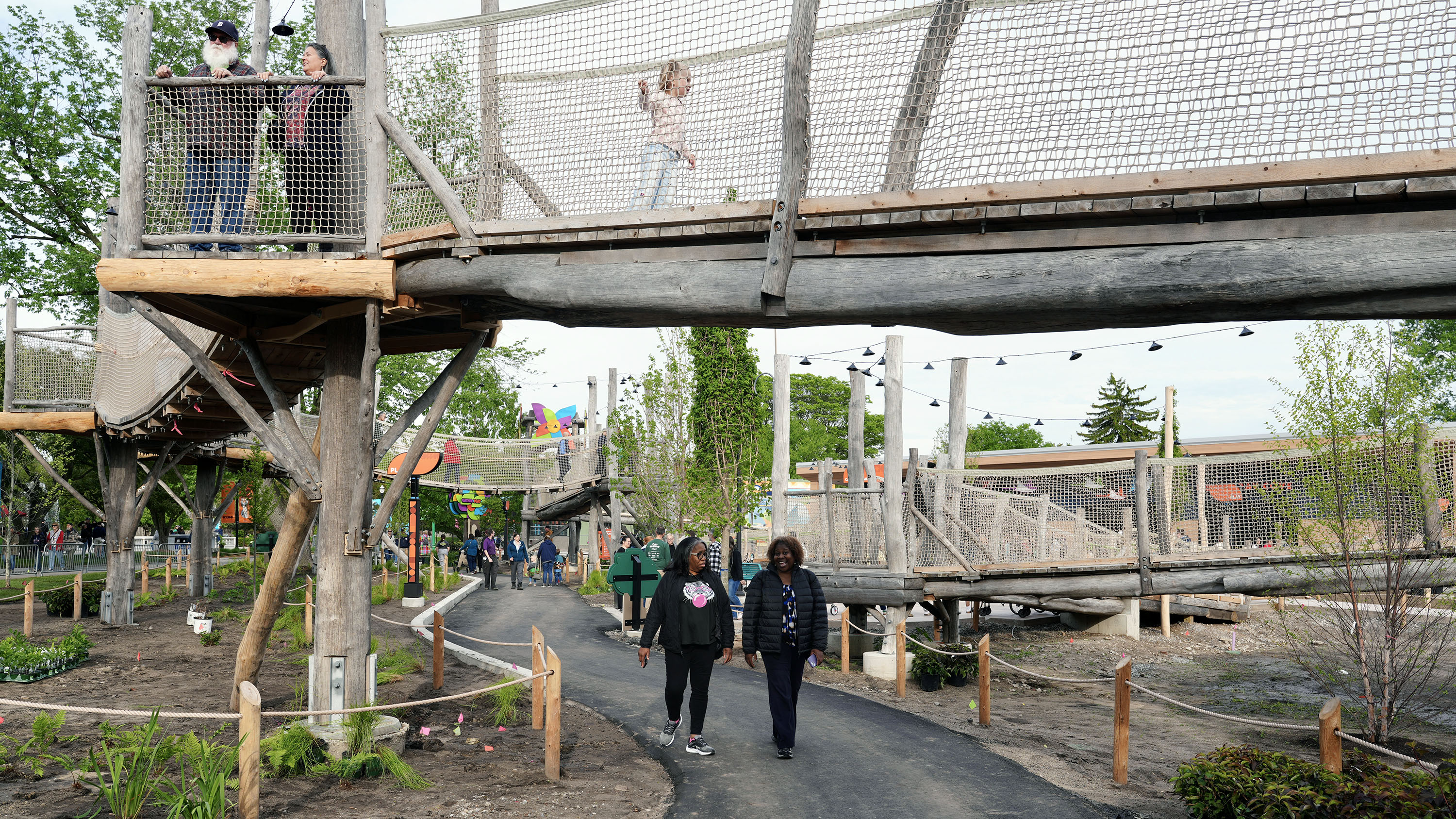
The Detroit Zoo has recently made headlines with two major developments: the grand opening of its $49 million, 7-acre Fred and Barbara Erb Discovery Trails and the announcement that three North American river otter pups are all female and developing at a healthy rate. These updates showcase the zoo's commitment to innovation, conservation, and visitor engagement.
How Do These Updates Reflect the Zoo's Broader Vision?
The Erb Discovery Trails, a 7-acre attraction featuring stingrays, canopy trails, and immersive wildlife experiences, represent a significant investment in educational and ecological outreach. This project, funded largely through private donations, was developed over nearly a decade to provide a unique platform for connecting visitors with diverse ecosystems. The trails are designed to highlight the interconnectedness of habitats and species, emphasizing how human actions impact wildlife globally.
The otter pup announcement adds a layer of biological insight. North American river otters are highly sensitive to environmental changes, making their health indicators critical for conservation efforts. The fact that all three pups are female suggests a potential shift in population dynamics, which could have implications for breeding programs and ecosystem stability.
What Makes the Erb Discovery Trails Unique?
- The trails include a dedicated stingray exhibit that allows visitors to observe these fascinating fish up close, promoting awareness of their vulnerability to habitat degradation.
- Canopy trails provide a panoramic view of the zoo's natural habitats, fostering a deeper understanding of wildlife movement and adaptation.
- The project has been praised for its educational value, with trained staff guiding visitors through ecological lessons about water conservation and biodiversity.
These features align with the zoo's mission to create experiential learning environments that go beyond traditional exhibits. By integrating hands-on exploration with scientific accuracy, the Erb Discovery Trails have become a model for urban zoos worldwide.
The otter pup development, meanwhile, offers a real-time case study in conservation biology. River otters, once nearly extinct in some regions, have seen population rebounds due to habitat restoration efforts. The healthy growth of these pups indicates that conservation strategies are working, offering hope for future generations of this species.
The zoo’s strategic focus on transparency and data-driven decisions—such as sharing pup gender details and habitat management practices—demonstrates a proactive approach to wildlife stewardship. This transparency not only builds public trust but also encourages community involvement in conservation efforts.