Notice: error_log(): Write of 46 bytes failed with errno=28 No space left on device in /var/www/html/plugins/LangManager/LangManager.php on line 111
NewsRPT

Bulgaria’s Visa Dispute: Strategic Moves Against U.S. Military Logistics

Editor 30 May, 2026 ... min lectura

Bulgaria’s recent diplomatic maneuvering with the United States over military aviation visas has revealed a complex interplay of strategic interests and bureaucratic friction. As the country prepares to cut the stay of U.S. military aircraft at its airports, Prime Minister Rumen Radev has made it clear that any progress on the long-sought U.S. visa waiver for Bulgarian citizens hinges on tangible action from Washington. This dispute, rooted in decades of evolving international security protocols, highlights the delicate balance between national sovereignty and transnational military cooperation.

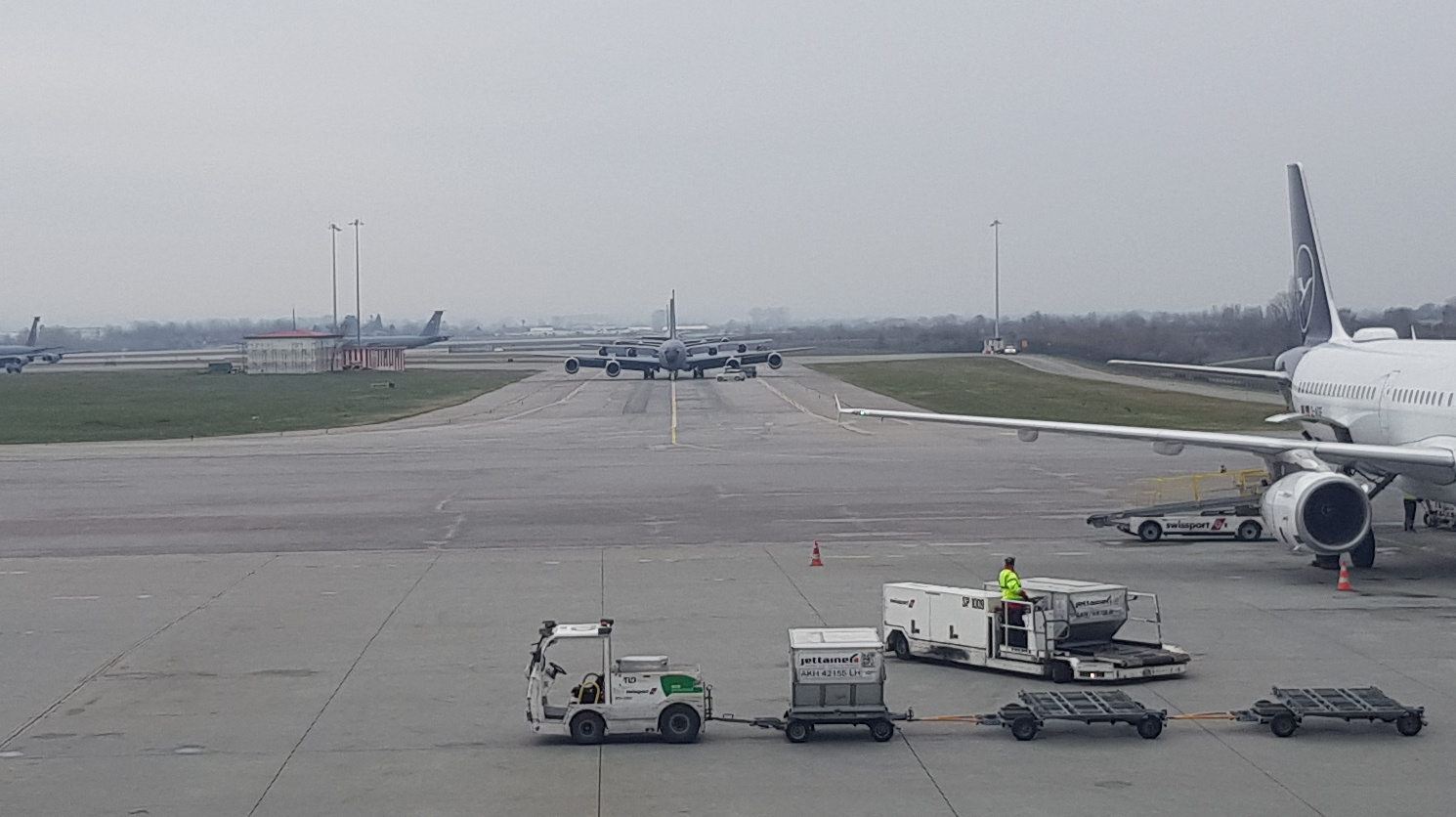
The conflict centers around the U.S. military’s reliance on civilian airports for refueling operations, particularly the KC-135 tankers that shuttle fuel to aircraft stationed in Sofia. Under current arrangements, these tankers require temporary visas to operate at Bulgarian airports, a process that has become a sticking point in bilateral negotiations. Radev’s decision to extend the stay of these tankers for only a short period—a strategic delay tactic—has been widely interpreted as a diplomatic signal that the Bulgarian government is not willing to compromise on the visa program’s terms without significant concessions.

Why is Bulgaria’s visa stance so critical for U.S. military logistics?

The stakes of this dispute extend far beyond diplomatic friction. For the U.S., the ability to maintain uninterrupted fuel supply lines for military aircraft is crucial for global operations, especially in regions where strategic assets like the KC-135 tanks are vital for maintaining airpower. For Bulgaria, the issue is tied to its position as a key transit hub for NATO operations, with Sofia hosting a critical airbase for U.S. forces.

  • Historical context: Bulgaria’s shift from a socialist state to a NATO member has brought with it evolving visa requirements that now intersect with military logistics.
  • Geopolitical implications: The dispute reflects tensions between traditional military cooperation frameworks and the need for more flexible, transparent processes in modern defense partnerships.
  • Strategic leverage: By controlling the timeline of tankers’ access to Sofia’s civilian airport, Bulgaria is using diplomatic tools to negotiate better terms for its citizens’ visa status.

The immediate impact of this standoff is felt in the operational tempo of U.S. military operations. With the short-term extension for U.S. tankers at Sofia Airport, the U.S. military faces a temporary disruption in its fuel supply chain, which could ripple into broader NATO operations. Yet, Radev’s strategy is not merely about delaying; it is a calculated move to secure more favorable terms for the visa waiver process, which has been stalled for over a year.

Experts suggest that the resolution of this issue will require a rethinking of how military and civilian aviation protocols interact. The dispute underscores the need for clear, standardized procedures that can adapt to the realities of modern military logistics, where every minute of delay can have significant operational consequences.