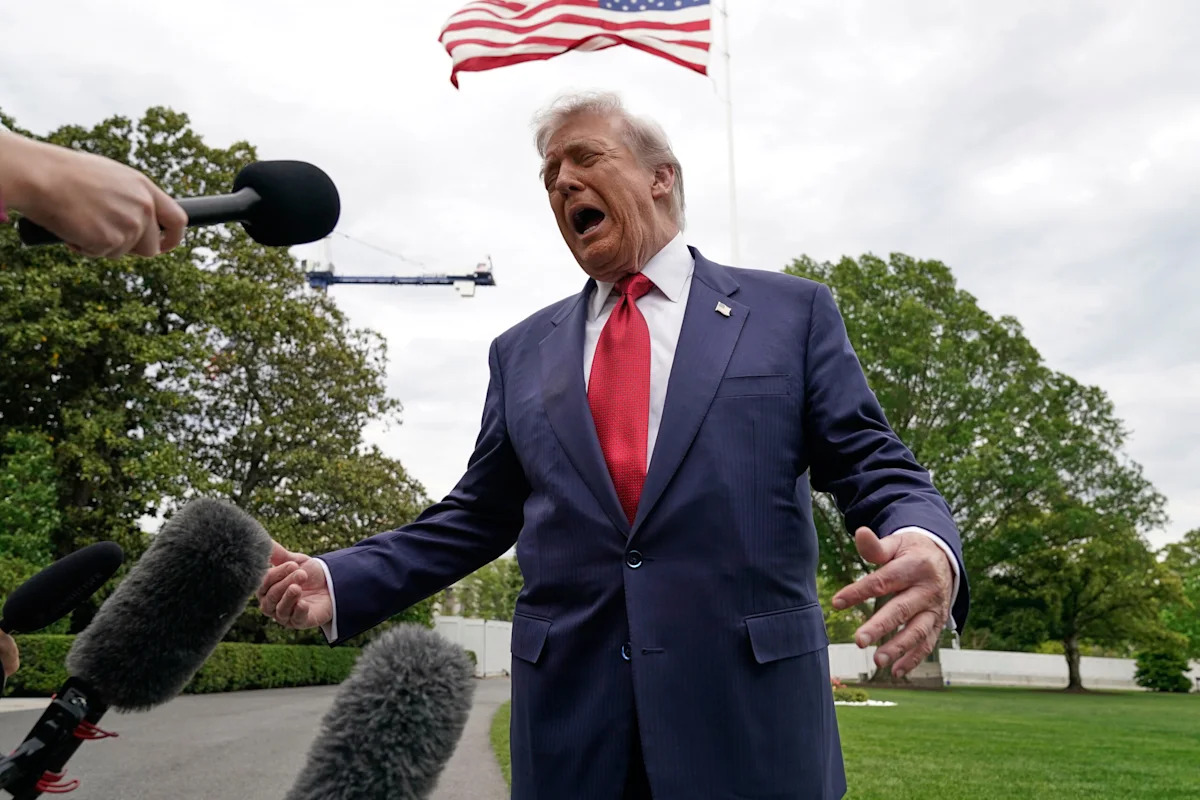
The Middle East is teetering on the edge of a major geopolitical shift as U.S. President Donald Trump finalizes a high-stakes White House meeting focused on Iran ceasefire negotiations. With the U.S. and Iran at a critical juncture, the outcome of this marathon session could determine whether a fragile truce holds or collapses into renewed hostilities.
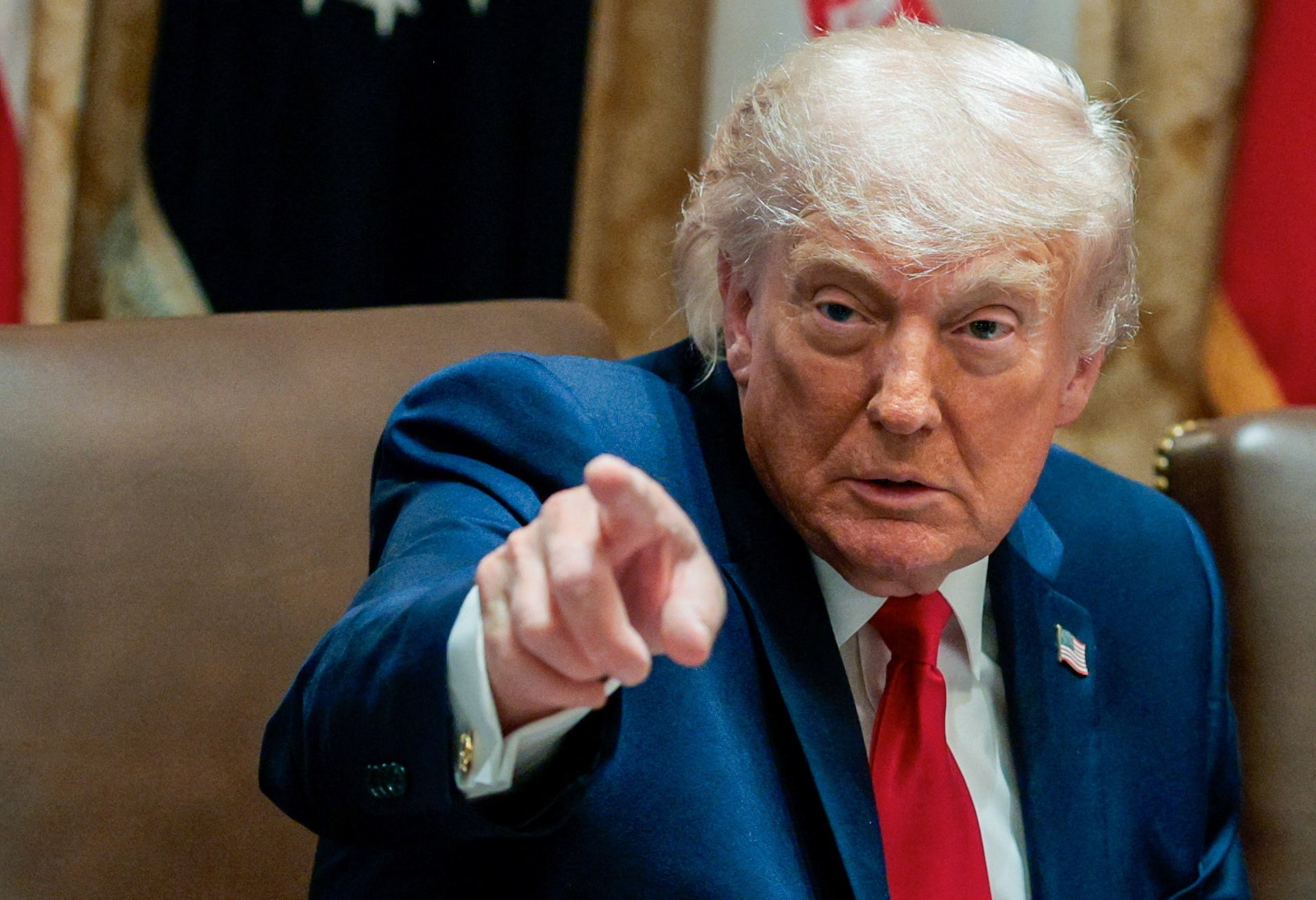
Recent developments have placed immense pressure on the U.S. government to act swiftly. As reported by CBS News, Trump signaled during a prolonged White House session that he 'would not extend the ceasefire' without significant conditions. This statement, made amid a week of intense diplomatic back-and-forth, has sent shockwaves across the region, particularly in Israel and Hamas-affected areas.
Could a New Ceasefire Emerge?
Analysts are cautiously optimistic that a new ceasefire framework could emerge from this meeting. However, the urgency of the situation has led many to question whether a meaningful resolution is achievable before the next critical phase of hostilities begins.
- Historical context: Previous U.S. interventions have often been tied to specific military outcomes, with past ceasefires rarely lasting beyond 30 days.
- Geopolitical stakes: The U.S. has long seen Iran as a key player in regional stability, but its current role is increasingly contested.
- Current challenges: Escalation risks are rising as both sides prepare for potential strikes and retaliatory actions.
One notable factor is the role of Israeli military operations, which have been a focal point of recent negotiations. The U.S. has historically balanced its support for Israel with pressure to limit Iranian aggression, but this delicate balance is now under strain.
Despite these challenges, the White House meeting has highlighted the importance of timely diplomacy. The U.S. has previously leveraged its position to mediate in regional conflicts, but this time, with heightened tensions, the stakes could be far higher.
Experts warn that the current diplomatic efforts are not just about prolonging a ceasefire but about establishing a new framework for regional security that addresses the root causes of the conflict.
What's Next?
As the Middle East braces for further uncertainty, the world is watching to see if Trump's approach can yield tangible results. With the U.S. playing a pivotal role in shaping the region's future, the next few days will be crucial.