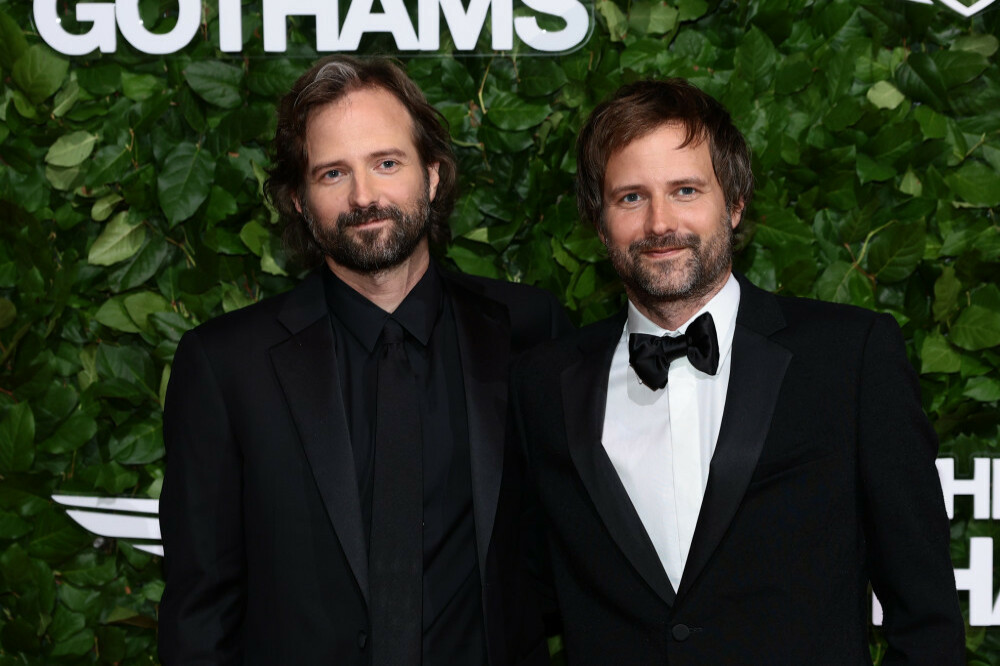
Stranger Things has become a cultural phenomenon, but its legacy extends far beyond the show’s iconic sci-fi adventures. Creator Matt Duffer’s recent comments on originality and audience demand have sparked a global conversation about the future of television. As the series continues to influence youth culture, Duffer’s emphasis on 'risk over fear' offers a blueprint for creators and industry leaders to navigate the evolving media landscape.
Why 'Risk Over Fear' Matters Today
The phrase 'choose risk over fear' was coined by the Duffer brothers to address a critical shift in how audiences connect with storytelling. While many networks and producers have historically prioritized safety and proven formulas, Duffer argues that the real challenge lies in embracing the unknown. This philosophy has been instrumental in the success of Stranger Things, which broke through with its blend of supernatural elements, 1980s nostalgia, and psychological tension.
At the core of this approach is the understanding that young audiences—particularly Gen Z and early Millennials—are not just consumers but active participants in shaping content. Duffer highlighted that this demographic is 'hungry' for original ideas, a sentiment echoed across social media platforms where young viewers demand fresh narratives that resonate with their lived experiences.
What 'Risk Over Fear' Means for Content Creation
When the Duffer brothers first developed Stranger Things, they faced skepticism about its unconventional premise. Critics questioned the feasibility of a show combining child prodigies, government conspiracies, and time travel. Yet, they persisted, proving that bold storytelling can thrive even in a market saturated with formulaic content.
- Originality as a tool for engagement: Shows like Stranger Things have demonstrated that unique concepts—such as the 'Backrooms' internet phenomenon—can translate into massive cultural impact when presented with authenticity and depth.
- Authentic audience connection: By focusing on relatable themes like friendship, identity, and rebellion, the show has built a dedicated fanbase that spans multiple generations.
- Long-term creative freedom: Risk-taking allows creators to explore complex narratives without being constrained by commercial pressures.
The success of Stranger Things is not just about the show itself but about the broader implications for how television is produced and consumed. As streaming platforms continue to expand, the balance between innovation and safety will remain a key issue.
Industry leaders must recognize that the future of TV belongs to those who dare to take risks. Duffer’s message is clear: in an age of algorithmic curation and audience fragmentation, originality is not a luxury—it’s a necessity.