Iran's recent diplomatic maneuvers and military actions have intensified regional tensions, marking a pivotal moment in its complex relationship with the United States and its neighbors. The country is navigating a delicate balance between strategic diplomacy and aggressive military posturing, with implications for the broader Middle Eastern landscape.
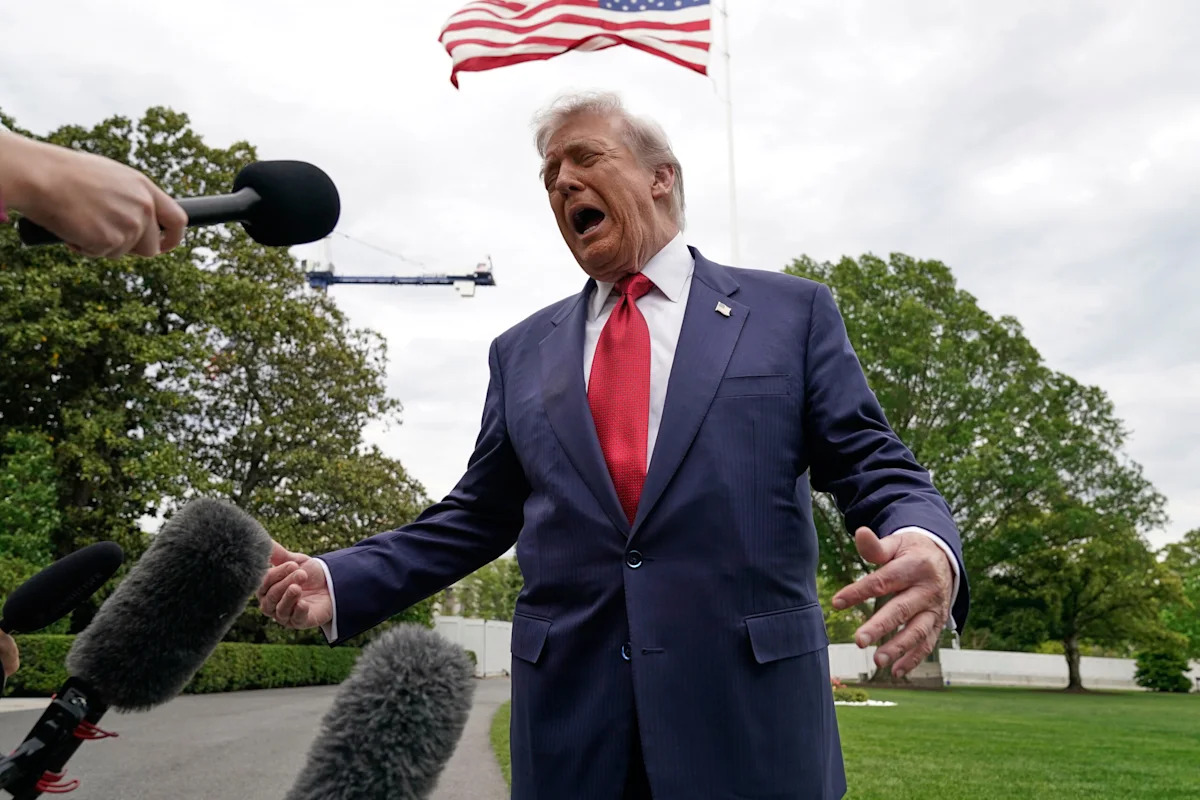
Recent developments reveal a stark contrast between Iran's official stance and its operational activities. While Iranian state media reports suggest a pause in communications with international mediators, U.S. officials insist that negotiations remain active. President Trump’s assertion that a deal with Iran is 'not a simple thing' underscores the complexity of current diplomatic efforts, highlighting the challenges of achieving meaningful progress.
Is Iran pursuing a dual-track strategy?
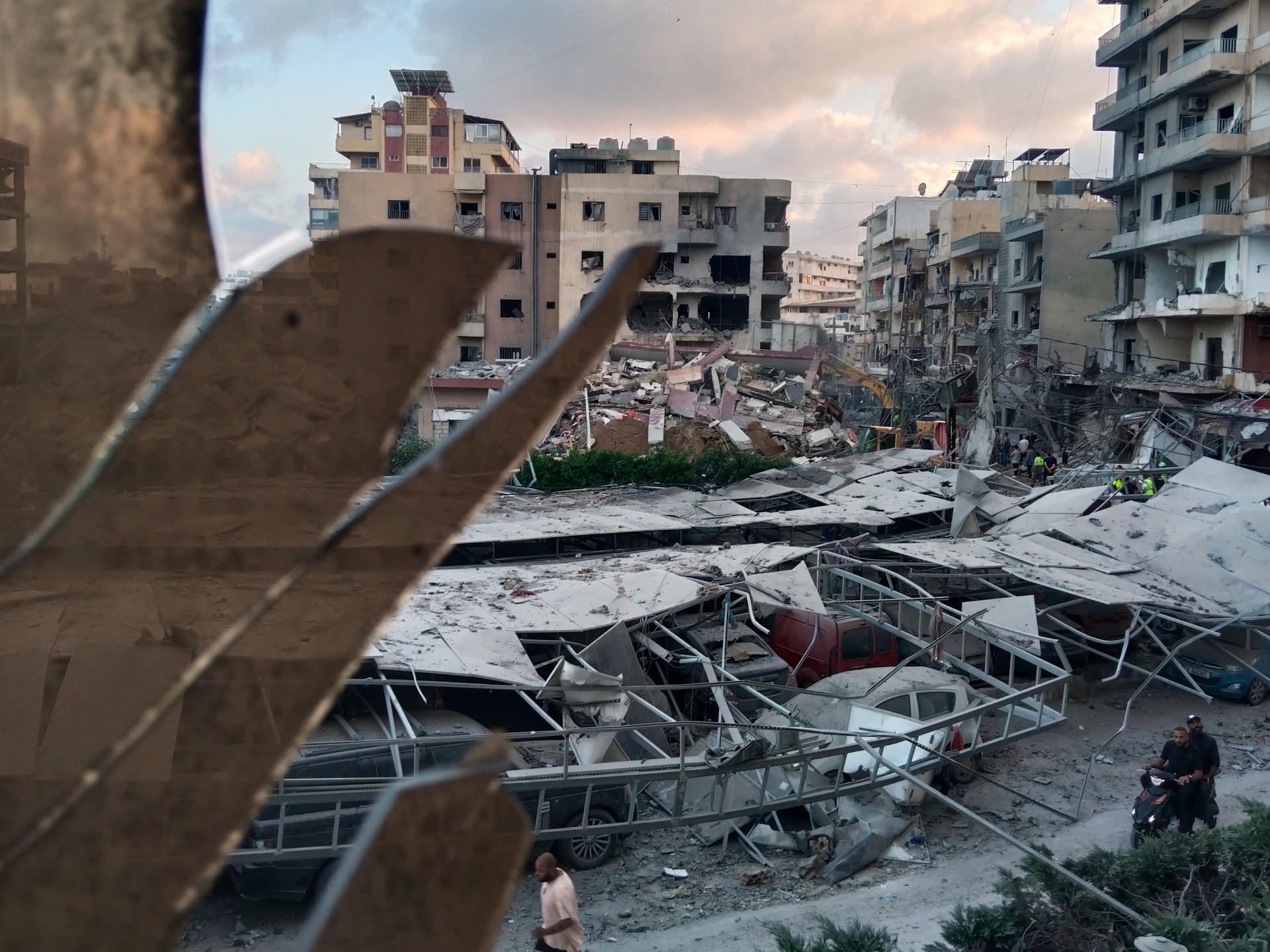
Analysts suggest Iran is employing a dual-track approach: one focused on diplomatic channels and another on military operations. This strategy allows Tehran to project strength while simultaneously seeking leverage in negotiations. The recent attacks on Kuwait and Bahrain, as reported by Saudi intelligence, exemplify this dual focus. These strikes, conducted using advanced interceptors, signal a shift from purely defensive postures to more aggressive offensive actions.
- Iranian state media has indicated a temporary suspension of communications with UN and OIC mediators, according to sources.
- Israeli military reports indicate Iranian missile strikes near Tel Aviv on February 28, 2026, as part of a broader regional conflict.
- U.S. officials, including Secretary Marco Rubio, are under scrutiny for their role in facilitating diplomatic channels amid growing tensions.
The strategic implications of these actions are profound. By launching attacks on Gulf states while simultaneously engaging in diplomatic channels, Iran aims to create leverage without triggering immediate retaliation. This calculated approach reflects a sophisticated understanding of the regional power dynamics, where military actions can be used to pressure adversaries into concessions.
Historically, Iran has used similar tactics during past conflicts, such as the 1980s Gulf War and the 2006 Lebanon War. These periods demonstrated how strategic ambiguity and calculated aggression could be leveraged to achieve political objectives. Today, Iran’s actions are shaped by a combination of historical precedents, geopolitical pressures, and its desire to assert regional dominance.
The ongoing conflict has significant implications for global security. The escalation of hostilities, particularly in the Gulf region, threatens to destabilize the entire region. As diplomatic channels remain fragmented, the risk of further military engagements increases, potentially leading to a broader regional conflict.
Experts emphasize the need for a comprehensive approach to de-escalation. International efforts must address the underlying causes of conflict, including historical grievances and resource competition. Without a robust and inclusive diplomatic framework, the risk of further escalation remains high.