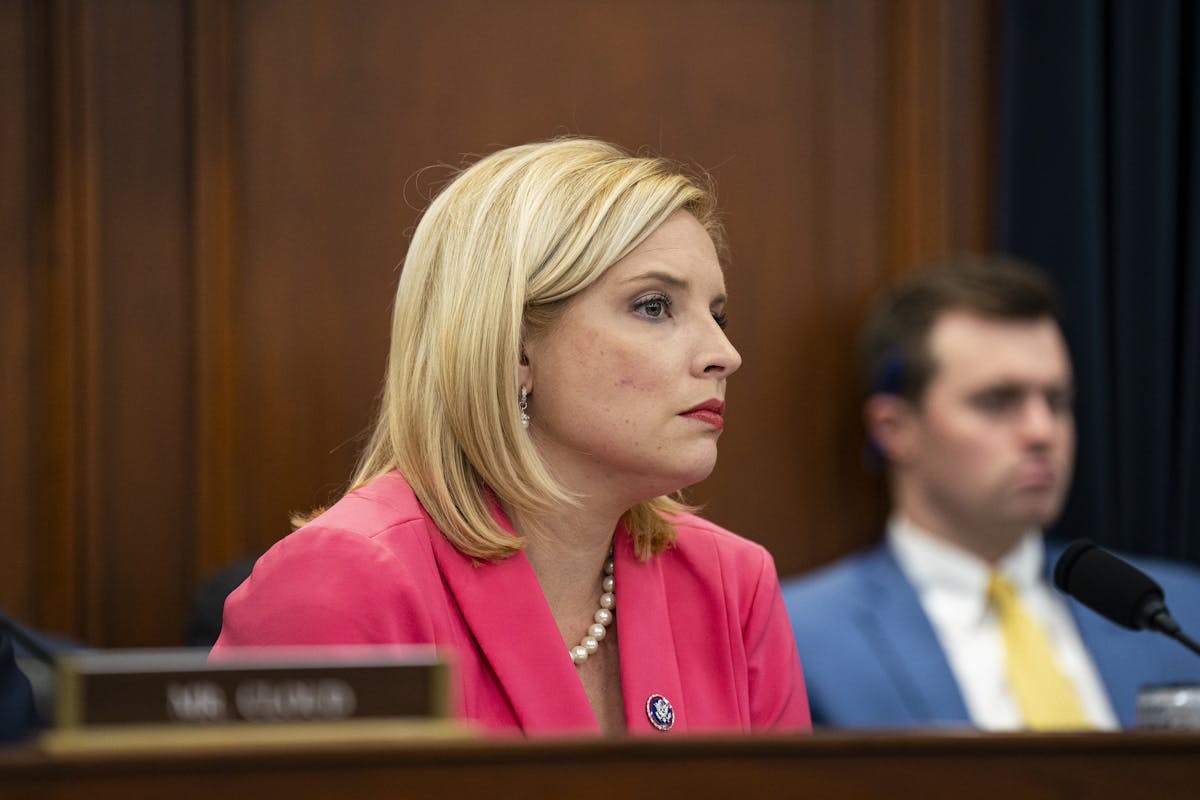
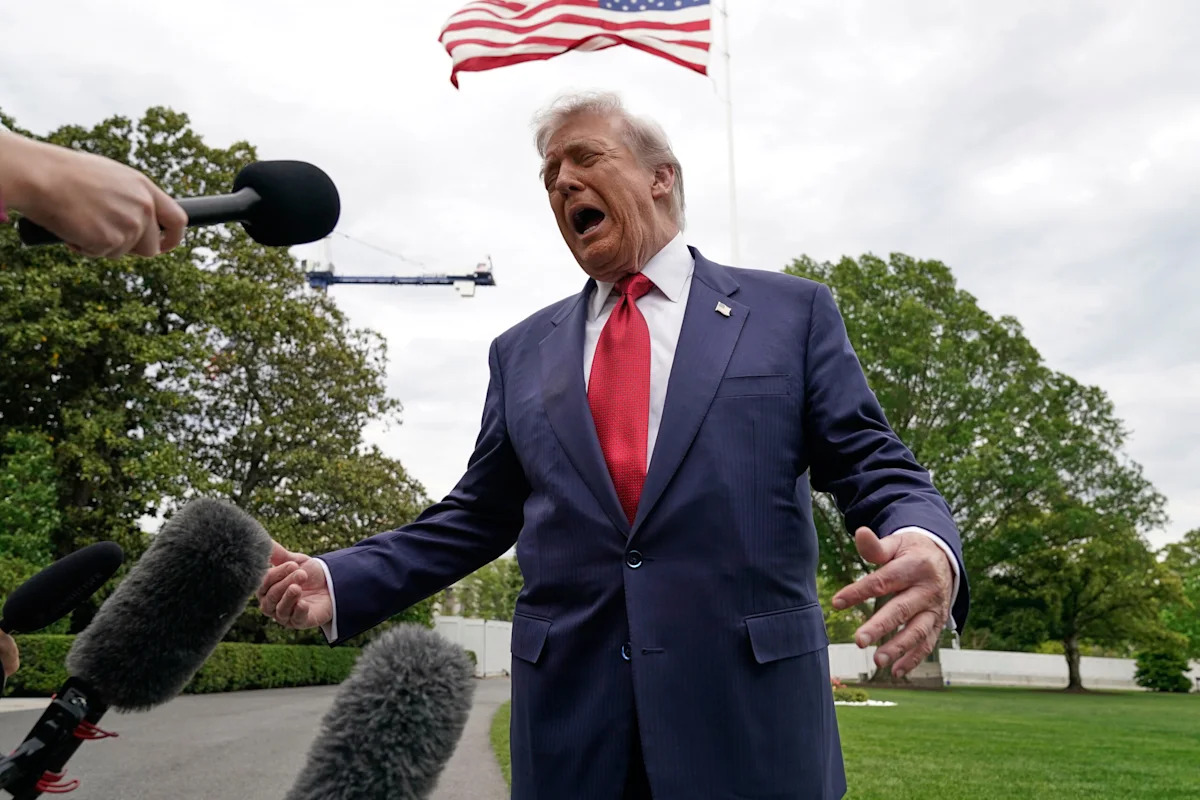
As the U.S. political landscape fractures over Iran policy, a startling revelation has emerged from the shadows of Iowa’s Republican primaries. Representative Ashley Hinson, a prominent Trump ally, recently admitted on private recordings that President Trump’s escalated tensions with Iran could become a significant political liability for the Republican Party. This admission, captured in a leaked audio clip, has ignited a firestorm of speculation and debate about the intersection of foreign policy, party strategy, and electoral consequences.
Why Does Iran Policy Matter Now?
The irony of Hinson’s statement is stark: a key architect of Trump’s hardline stance on Iran has now acknowledged that the very policies she championed could backfire politically. While Trump has consistently framed the Iran conflict as a matter of national security, Hinson’s internal assessment reveals a more nuanced reality. Her admission comes amid growing concerns that the GOP’s aggressive approach to Iran—a policy that includes sanctions, military pressure, and diplomatic isolation—could alienate key voter groups in critical swing states like Iowa and Ohio.
Historically, the GOP has often prioritized military strength and unilateral action in foreign policy. However, the current climate, marked by shifting voter priorities and a growing emphasis on economic stability, has created a tension between ideological adherence and pragmatic governance. Hinson’s warning highlights how domestic politics can directly influence international decision-making, especially in a party where ideological purity often overshadows practical outcomes.
What Does This Mean for the 2024 Election?
- Short-term impact: Potential loss of support in key battleground states where economic concerns outweigh national security rhetoric
- Long-term implications: Risk of undermining the GOP’s unity on a critical foreign policy issue
- Strategic dilemma: Balancing Trump’s aggressive foreign policy with the need for broad-based appeal in a divided electorate
Hinson’s admission is not an isolated incident. Across the Midwest, Republican candidates are increasingly recognizing that the Iran conflict, once a unifying narrative, is becoming a liability. This shift reflects a broader trend where the GOP’s hardline stance on Iran is being tested by voter sentiment that prioritizes economic stability and job security over military action.
As the primaries progress, the implications of Hinson’s statement could resonate beyond Iowa. If the GOP continues to frame the Iran conflict as a matter of national security, it risks alienating voters who see the policy as counterproductive to their economic interests. The challenge for Republicans is to reconcile the urgency of addressing Iran’s nuclear program with the need to maintain public trust in a party that has often struggled to connect with the average voter.
While Trump’s team has dismissed Hinson’s comments as a personal misstep, the reality is that political strategy is as much about timing as it is about policy. In an era where foreign policy decisions are increasingly tied to domestic outcomes, the Iran conflict is no longer just a matter of geopolitics—it’s a test of the GOP’s ability to balance its ideological commitments with the practical realities of modern elections.