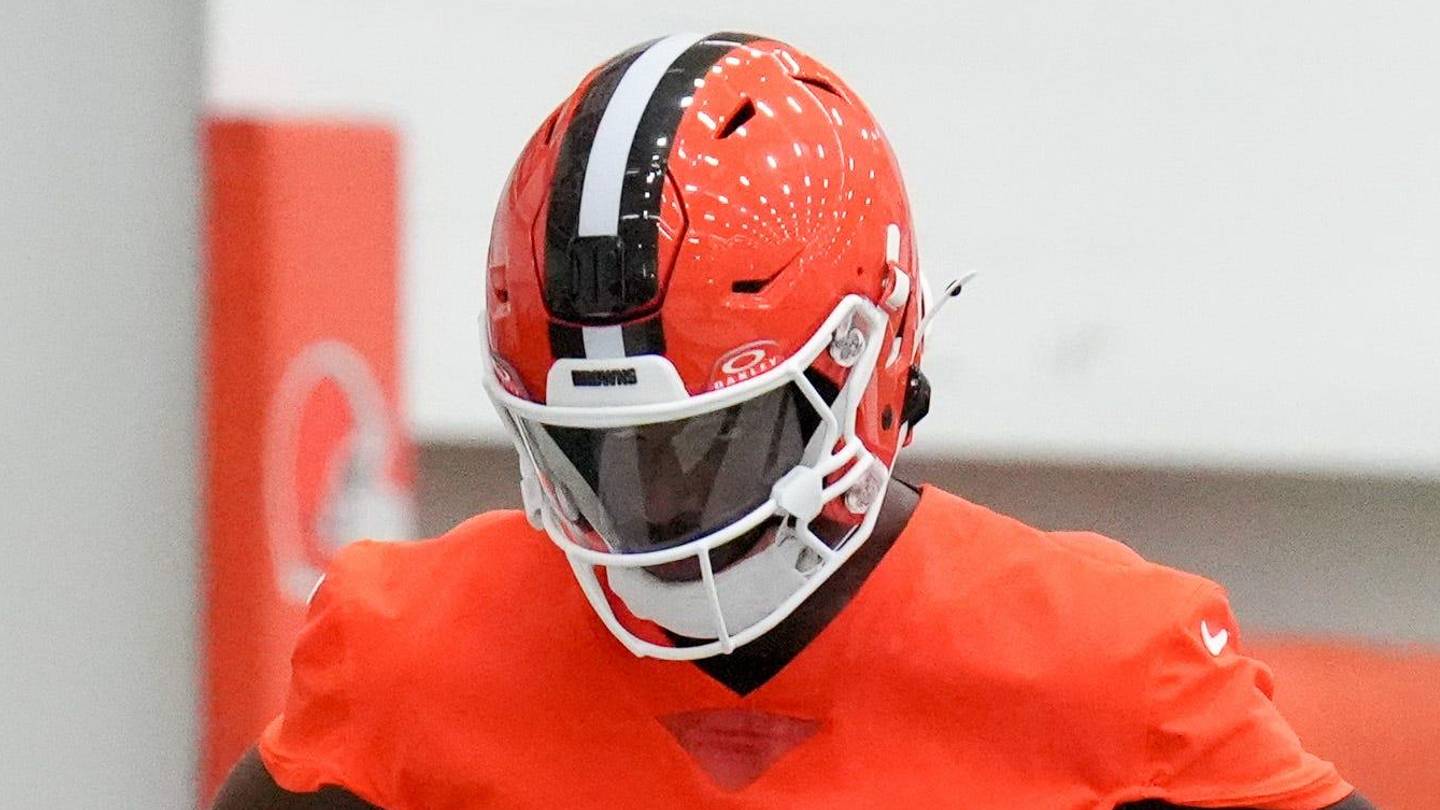
The Cleveland Browns' quarterback competition entered a pivotal phase in early 2026, with the team's approach to the position undergoing a dramatic shift. For weeks, Deshaun Watson had been the clear frontrunner, leveraging his extensive NFL experience and veteran presence. However, a pivotal moment at the team's offseason practice sessions on Wednesday—referred to as 'OTAs'—altered the dynamics significantly.
What Happened at the OTA Practice?
At the Browns' offseason training facility in Berea, Ohio, a critical evaluation of the QB candidates unfolded. Todd Monken, the head coach, confirmed that the team has two starting-level quarterbacks who are both capable of stepping into the starting role. Monken emphasized that his decision process is daily, with no fixed direction. This statement, made public on Wednesday, indicated that the competition between Deshaun Watson and Shedeur Sanders had reached a critical juncture.
Watson, the former Texans quarterback, had been performing well in the early phases of the competition, but the shift in performance at the practice sessions marked a turning point. This change wasn't just a momentary adjustment but a structural shift in how the team views the position.
Why Did Shedeur Sanders Gain Momentum?
Sanders, a rising star with a background in college football, emerged as a key candidate. His adaptability, leadership, and ability to perform under pressure have been highlighted in recent practices. Unlike Watson, who has been a veteran with a proven track record, Sanders has demonstrated a unique ability to adjust to the team's offensive scheme and the evolving demands of the modern NFL.
- Leadership and adaptability: Sanders' ability to quickly grasp complex offensive concepts and adapt to the team's evolving game plan has been a major factor.
- Physical resilience: His capacity to withstand physicality in high-stakes drills has been a standout trait.
- Chemistry with the offense: The team has reported improved communication and cohesion in the passing game, which has been crucial for the Browns' offensive success.
Monken's comments about having two 'starting-level' quarterbacks reflect a team that is not yet ready to commit to a single candidate. This approach is not uncommon in the NFL, where teams often have multiple options for critical positions. However, the Browns' decision process is unique in its focus on daily adjustments rather than a fixed timeline.
The Browns' situation mirrors broader trends in modern football, where the quality of a player's performance and adaptability are increasingly important. With the team's focus on developing young talent and integrating veterans, the competition between Watson and Sanders has become a key indicator of the team's direction.