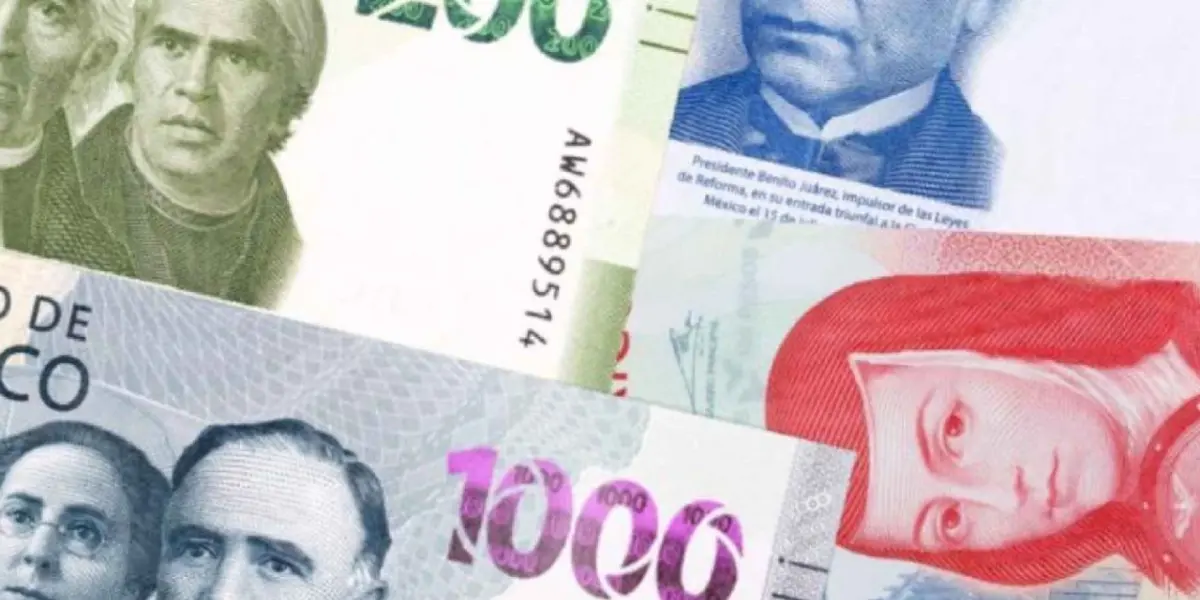
The Mexican peso (MXN) has long been a critical component of Mexico's economic landscape, reflecting the country's complex interplay between domestic stability and global market dynamics. Its value is not merely a currency metric but a barometer of broader economic health and geopolitical alignment. As of June 5, 2026, the peso's performance has been marked by significant volatility, driven by a confluence of factors including U.S. labor market trends, regional geopolitical tensions, and shifting investor sentiment.
Why does the peso fluctuate so dramatically?
One of the most immediate triggers for the peso's movement is the U.S. labor market. Recent data shows that a decline in U.S. employment has led to a sharp depreciation of the Mexican peso. This correlation highlights the interconnectedness of the two economies, where Mexican exports and remittances are heavily reliant on the U.S. market.
- U.S. job market shifts: A decline in U.S. employment directly impacts Mexico's trade balance, as many Mexican workers rely on U.S. wages for remittances.
- Geopolitical events: Recent agreements between Israel and Lebanon have influenced the peso's stability, with positive signals from the Middle East affecting investor confidence in risk assets.
- Central bank interventions: Mexico's central bank has historically adjusted interest rates to stabilize the peso, though recent actions have been less aggressive due to inflationary pressures.
These dynamics underscore the peso's role as a sensitive indicator of regional economic health. For instance, the peso's appreciation against the U.S. dollar in early 2026 was linked to optimistic sentiment about Middle Eastern developments, particularly following a peace agreement between Israel and Lebanon. This event boosted investor confidence in risk assets, leading to a temporary surge in demand for the peso.
The Mexican economy's reliance on the U.S. for trade and remittances makes it particularly vulnerable to shifts in that market. As the U.S. labor market weakens, the peso often follows suit, reflecting the broader economic interdependencies between the two nations.
What does this mean for Mexico's future?
Looking ahead, the peso's trajectory will likely be shaped by three key factors: the strength of the U.S. economy, the resolution of regional conflicts in the Middle East, and Mexico's ability to manage its fiscal policies effectively. The central bank's decisions on interest rates and capital controls will play a crucial role in determining the peso's long-term stability.
As the world becomes increasingly interconnected, the Mexican peso's value will continue to serve as a critical indicator of economic health in Latin America. Its performance will not only reflect Mexico's internal policies but also the global context in which it operates.