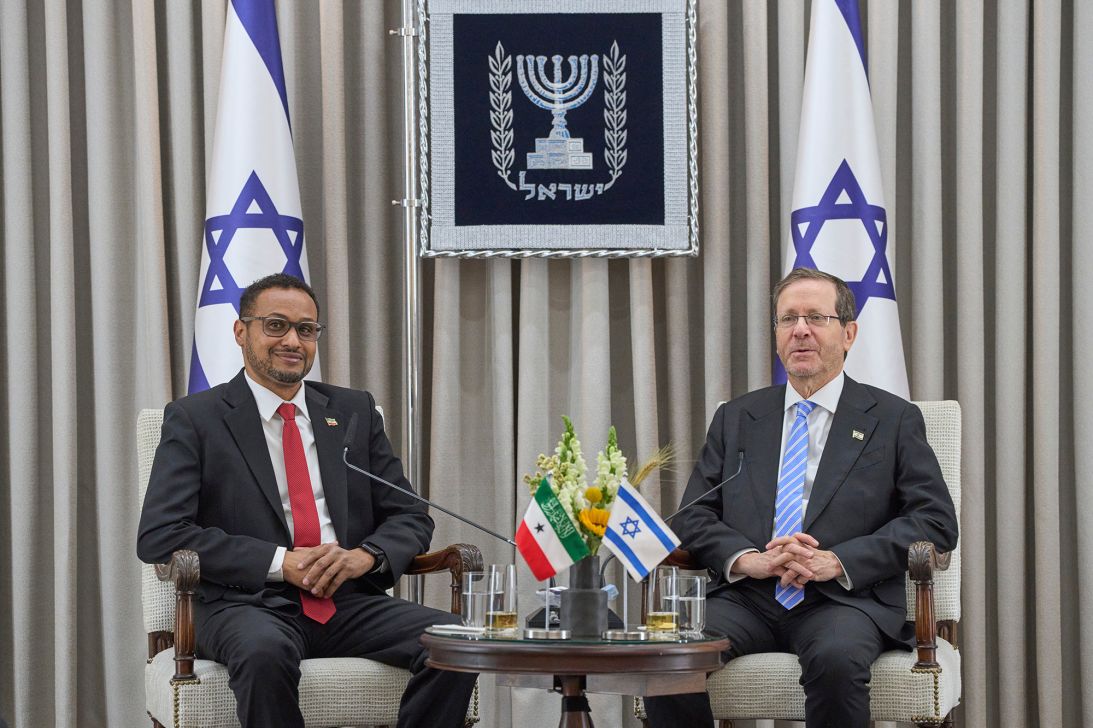
Recent revelations have exposed a covert military operation involving Israeli forces in Azerbaijan during the Iran conflict. According to multiple sources, Israel deployed elite military units to Azerbaijan as part of a broader regional strategy to counter Iranian influence. This secret movement of troops has raised significant questions about the extent of international military coordination during volatile geopolitical periods.
The intelligence reports suggest that Israeli Defense Forces (IDF) personnel were stationed in Azerbaijan under the guise of supporting regional stability. These forces were reportedly integrated into existing military infrastructure, including a critical base in Somaliland. This operation, allegedly conducted without prior public acknowledgment, highlights the complex web of alliances and strategic interests that can emerge during times of heightened regional tension.
How Did Israel's Forces Move Without Public Knowledge?
Analysts suggest that the operation relied on pre-established diplomatic channels and partnerships with regional actors. Azerbaijan, known for its strategic location along key trade routes and its historical ties with multiple global powers, provided a valuable platform for covert operations. The movement of troops through this network was designed to prevent Iranian-backed groups from gaining a foothold in the Caucasus region.
The use of Somaliland as a staging area is particularly noteworthy. Somaliland, a self-declared independent region with no formal recognition from most countries, has long been a hub for intelligence and logistical operations. Israeli forces reportedly leveraged this location to conduct rapid, low-profile movements while avoiding direct confrontation with major regional powers.
- Israel's elite units were integrated into local security forces to avoid detection
- Operations were executed through trusted intermediaries in the region
- The base in Somaliland served as a critical refueling and intelligence hub
These tactics reflect a broader pattern of military agility that has been observed in similar operations throughout history. By embedding forces within existing structures, countries can maintain operational secrecy while achieving strategic objectives.
Experts emphasize that this kind of covert movement is not unprecedented. During the Cold War, the United States and Soviet Union often deployed forces through proxy nations to monitor and influence regional dynamics. Similarly, the current operation appears to be a modern adaptation of this strategy, leveraging digital communication and pre-existing infrastructure to maintain operational security.
Why Azerbaijan?
Azerbaijan's geographic position and its historical role as a cross-border transit point make it an ideal location for such operations. The country's strategic importance lies in its ability to connect key regions from Europe to the Middle East, allowing for rapid deployment and communication.
Moreover, Azerbaijan has maintained a delicate balance between its alignment with Western powers and its historical ties with Russia and other Central Asian states. This flexibility has made it a preferred location for covert operations that require neutral ground or minimal diplomatic friction.
However, this operation has not gone unchallenged. Critics argue that such movements could destabilize regional security, especially in an area already experiencing significant volatility due to the ongoing conflict in Gaza and other parts of the Middle East.