As the 2026 election cycle unfolds, a critical trend has emerged: House members across the U.S. are increasingly failing to secure higher office in state-level races. This pattern, now amplified by recent primary losses, reveals a systemic challenge in transitioning from Congress to state executive roles. The issue isn’t just about individual candidates—it’s about a structural mismatch between federal and state governance priorities.
Can House Members Really Move Up?
Recent data shows that fewer than 2% of House members have successfully transitioned to governor or other statewide offices in the past decade. This statistic highlights a stark reality: the path from Congress to state leadership is far more difficult than many assume. Unlike their counterparts in the Senate, House members often lack the deep-rooted networks and policy expertise required for state-level governance. For instance, in South Dakota, incumbent Governor Larry Rhoden’s recent advancement to a Republican gubernatorial race illustrates the complexities of this transition, but even he faced stiff competition from candidates with stronger ties to local issues.
One key factor in this trend is the ‘federalism gap’—a term used by political analysts to describe the disconnect between national and state-level policy priorities. House members, trained primarily in federal policy, often struggle to adapt to the more localized, issue-specific demands of state governance. This disconnect becomes especially pronounced during primary elections, where voters prioritize candidates with hands-on experience in their home states.
Why Do House Members Lose?
- Local expertise deficit: Many House members lack deep familiarity with state-level issues, such as infrastructure, education, or economic development, which are critical for winning gubernatorial races.
- Resource constraints: Federal legislators often lack the time and resources needed to build relationships with key stakeholders at the state level.
- Political identity shifts: Voters increasingly favor candidates who align with local values over those with federal policy backgrounds.
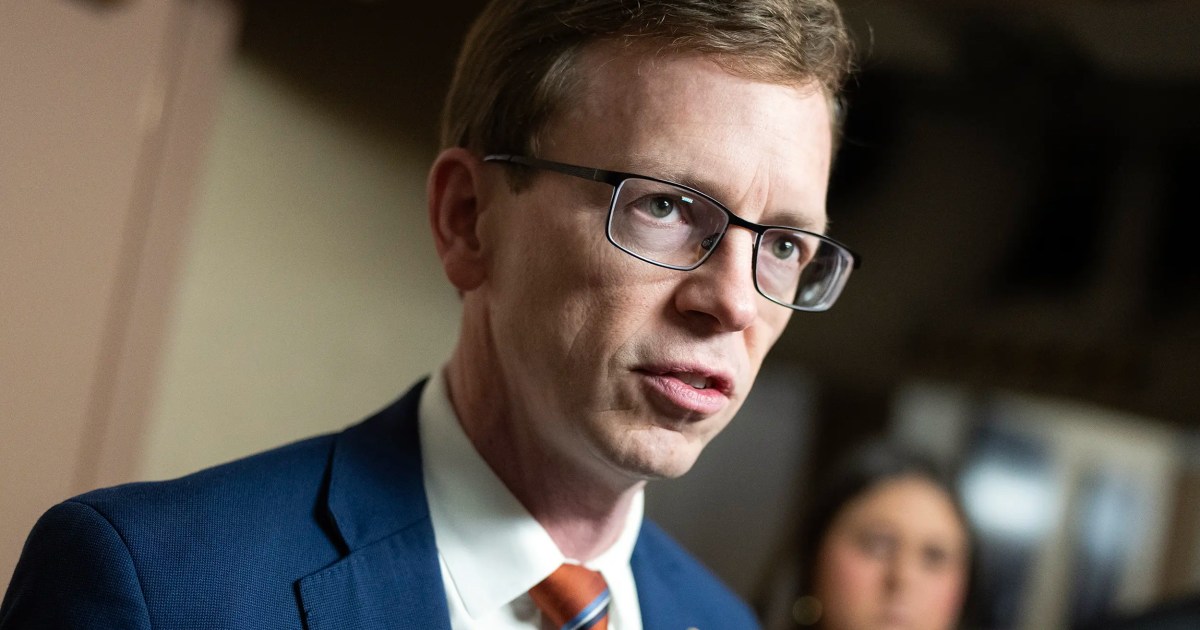
The case of Rep. Randy Feenstra and Dusty Johnson, both Republicans from Iowa and South Dakota, respectively, who lost primary elections for governor, exemplifies this challenge. Their campaigns highlighted a critical misalignment between their federal experience and the expectations of state-level voters. In South Dakota, where the economy is heavily dependent on agriculture and energy, Feenstra’s federal experience in economic policy did not resonate as effectively as local agricultural expertise did for Johnson’s campaign.
Analysts like political scientist Dr. Emily Carter emphasize that this transition failure reflects a broader shift in American politics toward hyper-localized governance. As states become more politically fragmented, the ability to translate federal policy into state-level action becomes a critical skill. For House members aiming to move up, this means focusing on ‘state-specific policy mastery’ rather than just federal-level achievements.
Looking ahead, the implications of this trend could reshape the future of state leadership. If House members continue to struggle in these transitions, it could lead to a more decentralized political system where state-level leaders—often with more localized experience—are better positioned to address regional challenges.