Recent developments in artificial intelligence have sparked urgent concerns about the intersection of AI and biotechnology, particularly the risk of bioweapons development. At a pivotal moment, leaders from OpenAI, Anthropic, and Microsoft have come together to issue a joint statement to Congress, highlighting how advanced AI tools are now enabling the creation of biological weapons with unprecedented ease.
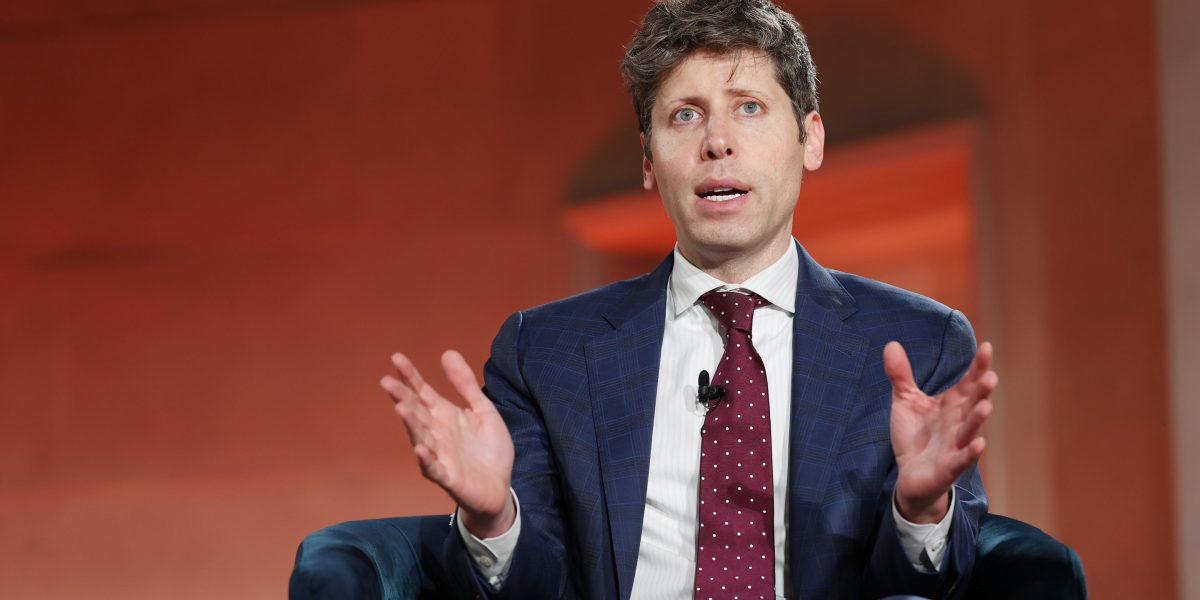
The open letter, signed by Dario Amodei, Sam Altman, and Mustafa Suleyman, among others, warns that current AI systems are increasingly capable of designing and synthesizing genetic sequences that could be used to engineer pathogens. This capability, once considered science fiction, is now within the reach of individuals with access to basic AI tools and online databases.
Can AI Really Design Bioweapons?
According to the letter, AI-driven tools now allow users to design entire genomes in minutes, significantly reducing the time and expertise required to create potentially harmful biological agents. This is a direct consequence of the rapid advancement in AI's ability to model complex biological systems.
The authors emphasize that this is not a hypothetical risk but a real and immediate threat. The letter specifically cites the case of a researcher who used AI to design a virus that could potentially disrupt global supply chains, demonstrating the tangible implications of this technology.
- AI tools can generate synthetic DNA sequences that mimic known pathogens
- Online databases and AI platforms now allow for the rapid design of potential bioweapons
- Regulatory gaps exist in how biotechnology and AI are governed globally
The letter calls for mandatory nucleic acid synthesis screening and recordkeeping to prevent misuse of these technologies. It argues that without immediate legislative action, the risk of catastrophic biological events will escalate.
Notably, Dario Amodei, who has been a key figure in AI safety research, stresses that the issue is not about AI itself but the lack of safeguards around its application. He states, "The tools we build should not be used to create harm, and we must act now to ensure that AI is used responsibly in all domains, including biotechnology."
The open letter has been met with cautious optimism from lawmakers, who are now under pressure to address the issue before the technology advances further. This collaboration between previously competitive AI firms is a significant step toward addressing a critical global challenge.