Stranger Than Heaven: Tupac Shakur's Digital Reincarnation in Gaming

Editor 05 Jun, 2026 ... min lectura

At the 2026 Summer Game Fest, a groundbreaking gaming phenomenon captured global attention with its unexpected integration of cultural icons. The highly anticipated game Stranger Than Heaven made headlines for its unprecedented collaboration with Tupac Shakur, a 90s icon whose legacy has been reimagined through cutting-edge digital technology. This isn't just a game—it's a cultural reset, merging gaming, history, and legacy in ways previously thought impossible.

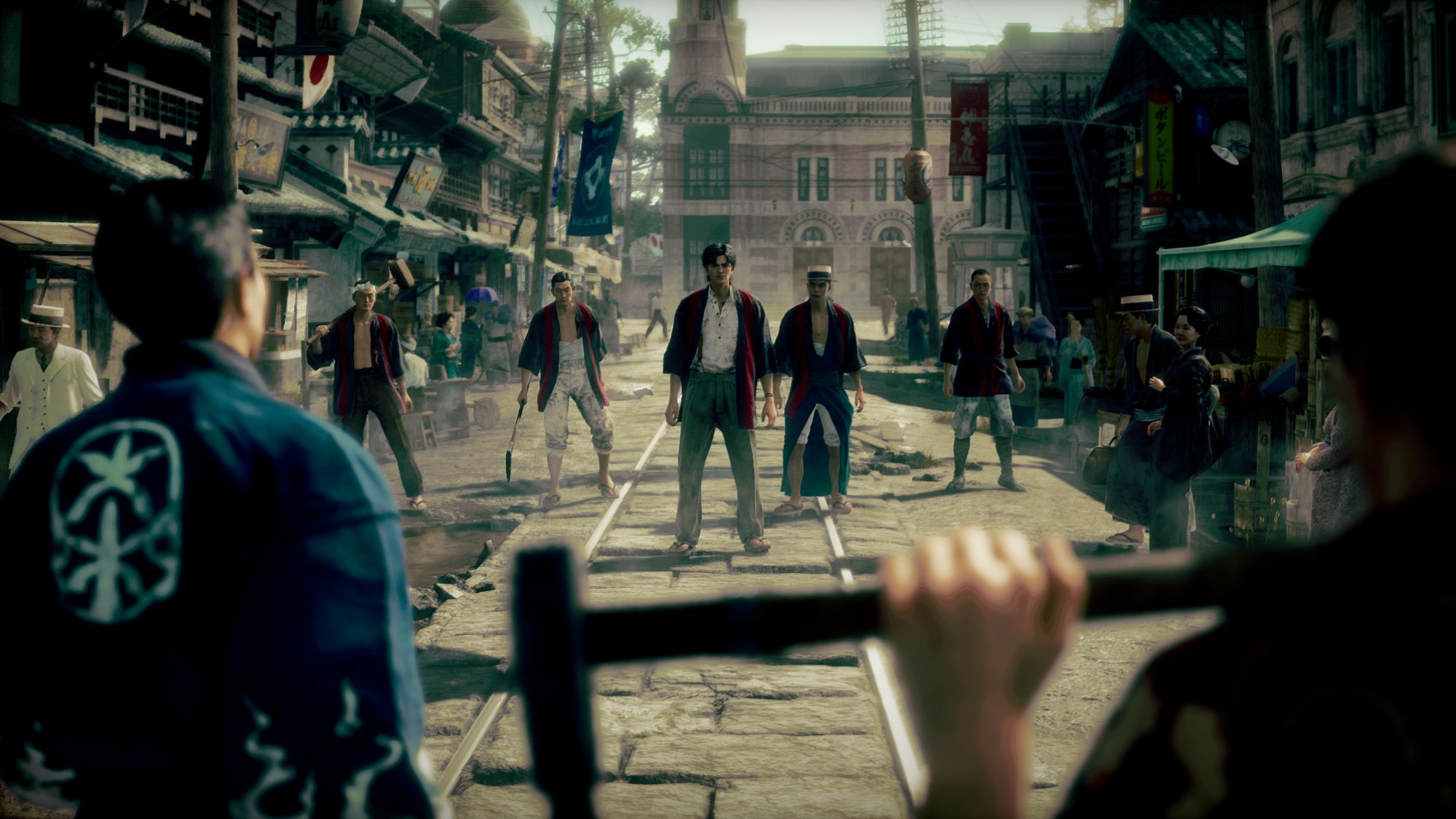
Developed by RGG Studios, Stranger Than Heaven follows a narrative that recontextualizes Tupac Shakur's life and influence across generations. The game's developers have been praised for their deep dive into Tupac's impact on hip-hop culture, ensuring his story is told with authenticity and respect. The game's trailer, released at Summer Game Fest 2026, revealed a stunning visual of Tupac Shakur walking through a futuristic cityscape, his voice echoing through holographic projections of his most iconic songs. This cinematic approach isn't just a gimmick—it's a deliberate effort to honor his legacy while exploring its relevance in today's digital landscape.

How Does This Game Honor Tupac's Legacy?

One of the most striking elements of the game is its meticulous attention to historical accuracy. The developers worked with scholars and fans to ensure every detail in the game reflects Tupac's real-life influence. For instance, the game includes a dynamic timeline that traces his evolution from street rapper to global icon, highlighting key moments like his collaboration with Snoop Dogg and the impact of his music on future generations of artists. This level of detail has been praised by critics for its commitment to storytelling that respects the past while engaging modern audiences.

  • Real-time cultural integration: The game simulates how Tupac's music and philosophy would interact with contemporary social issues, such as racial inequality and systemic change.
  • Dynamic character progression: Players can choose how their character aligns with Tupac's values, creating a personalized journey through his life and influence.
  • Authentic voice acting: The game features a voice actor who has worked with Tupac's estate to deliver a performance that captures his essence without misrepresentation.

The game's creators have emphasized that the inclusion of Tupac isn't a mere cameo—it's a meaningful exploration of how digital technology can preserve and evolve cultural legacies. By using advanced AI and motion capture techniques, the game creates a sense of presence that feels both authentic and futuristic.

Players have already begun discussing the game's potential to spark conversations about race, identity, and the role of music in shaping society. The trailer, which showed a futuristic version of Tupac navigating a digitalized version of Compton, has been described as 'a revolutionary step in gaming's ability to engage with historical figures.'

As the release date approaches, the game has generated significant buzz among both gaming enthusiasts and historians. Critics have noted that Stranger Than Heaven isn't just a game—it's a platform for dialogue about how technology can be used to honor and reinterpret the past. The game's focus on Tupac's influence on modern culture has been praised for its nuanced portrayal, avoiding clichés and staying true to his complex narrative.