Notice: error_log(): Write of 46 bytes failed with errno=28 No space left on device in /var/www/html/plugins/LangManager/LangManager.php on line 111
NewsRPT

QR Scams Are Targeting Your Car: What to Do If You've Been Targeted

Editor 05 Jun, 2026 ... min lectura

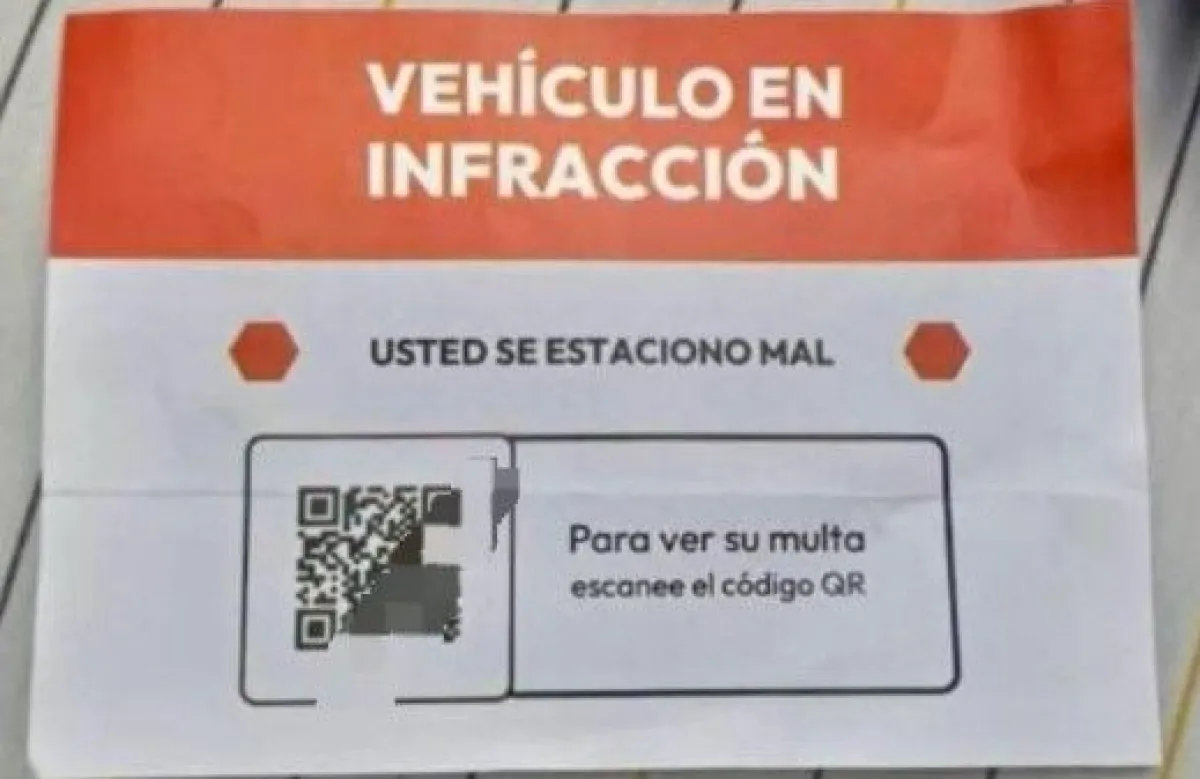
Recent reports have highlighted a growing trend of sophisticated fraud targeting vehicle owners across Latin America, specifically through deceptive QR codes placed on car windshields. These scams, often disguised as traffic violations or legal notices, are designed to exploit users' fear of immediate consequences and their lack of awareness about digital safety. This surge in QR-based fraud has been particularly acute in regions like Viedma, where victims report receiving fake traffic violation alerts directly on their car's windshield.

According to law enforcement data from Río Negro, over 100 police officers have recently been involved in a judicial process related to counterfeit medical certificates. This case illustrates how fraudsters are increasingly leveraging government-authorized processes to create convincing false documents. Similarly, the use of QR codes on windshields represents a modern evolution of this pattern, where digital deception is now embedded into physical infrastructure.

Are These QR Codes Legitimate?

Victims typically receive a QR code on their windshield that, when scanned, redirects them to a fake website claiming they have outstanding traffic violations. These sites mimic official government portals but contain subtle discrepancies—such as incorrect vehicle registration details or mismatched license plate numbers—that alert savvy users to their fraudulent nature.

The primary goal of these scams is to extract financial information or trigger unnecessary actions from the victim. For instance, victims may be prompted to enter their license plate number, vehicle details, or even personal identification information through a fake online portal. This information is then used by fraudsters to request payment for 'remediation' of the alleged violation.

  • Scammers often use QR codes that are physically placed on the windshield, making them difficult to detect without a smartphone or camera
  • Victims are typically targeted based on their location, with scams concentrated in specific regions like Viedma, Capital, and Chimbas
  • Legal authorities in Río Negro have recently initiated judicial proceedings against those involved in the production of counterfeit medical certificates, indicating a broader pattern of state-adjacent fraud

The consequences of falling for these scams can be severe. Victims may lose significant funds, have their vehicle's registration delayed, or even face unnecessary legal complications. Additionally, the physical placement of these QR codes on windshields creates a unique challenge for law enforcement to identify and intercept the fraud before it becomes widespread.

Experts recommend that if you receive a QR code on your windshield, you should immediately contact your local transportation authority or the national traffic department to verify the legitimacy of the alert. Do not scan the QR code unless you have confirmed the source through official channels. In cases where the QR code has already been scanned, it is critical to report the incident to local law enforcement immediately.

Understanding the mechanics of these scams is crucial for prevention. Unlike traditional phishing, these QR-based frauds combine physical and digital elements, making them more complex to detect. The key difference is that this type of fraud targets specific geographical locations and vehicle types, rather than general user behavior.