How Google TV and Vodafone TV Apps Are Redefining Home Entertainment

Editor 05 Jun, 2026 ... min lectura

For decades, the home entertainment ecosystem has struggled to bridge the gap between seamless user experiences and the technical complexity of streaming services. Today, two industry leaders—Google TV and Vodafone—are setting new standards in how users interact with their television platforms. This shift isn't just about improving functionality; it's a fundamental reimagining of what a TV app should achieve.

Can a TV App Really Be User-Friendly?

The question of usability has long been a pain point in smart TV ecosystems. Google's approach with its Android-based TV platform has faced criticism for being overly technical and fragmented. However, recent updates have begun to address these issues. Users report that Google TV now offers smoother integration with their existing Google services, such as YouTube and Google Search, creating a more cohesive experience.

What's particularly promising is the focus on reducing cognitive load for users. By simplifying navigation and reducing the number of steps required to find content, Google TV is moving toward a more intuitive interface. This isn't just about convenience—it's about aligning with the principles of user-centered design, which have proven essential in creating platforms that users actually want to engage with.

Why This Matters for Everyday Users

  • The integration of voice commands has made it easier for users to search for content without leaving the main interface
  • Personalized recommendations now leverage user behavior to suggest content that aligns with their preferences
  • Offline content storage allows users to download shows and movies for viewing without an internet connection

These features aren't just incremental updates—they represent a shift from a 'functional' to a 'user-centric' approach. By prioritizing ease of use, Google TV is addressing a critical gap that has held back many other smart TV platforms.

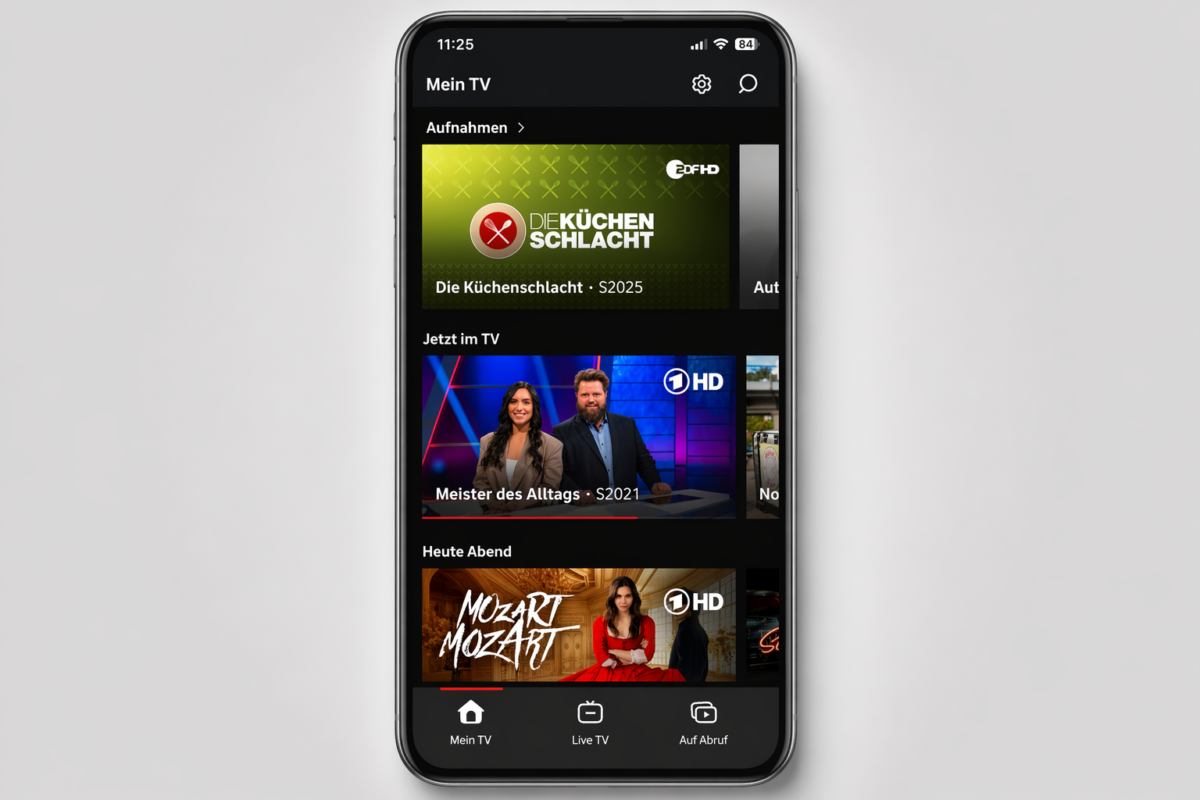
Meanwhile, Vodafone's recent move to refresh its mobile TV app reflects a broader trend in the telecommunications industry: the need to deliver a seamless experience across multiple devices. Vodafone Deutschland has rebranded its GigaTV Mobile App as the Vodafone TV App, introducing features like real-time notifications and enhanced video quality. This isn't just about aesthetics—it's a strategic move to ensure that users can access their content anywhere, at any time, without interruption.

What makes Vodafone's approach unique is its focus on reliability and consistency. In an era where users expect their apps to work flawlessly across different environments, Vodafone has prioritized stability and performance. This is especially critical for users who rely on their TV apps during high-traffic periods or in low-signal areas.

Both companies are demonstrating that a successful TV app must balance innovation with practicality. While Google TV focuses on integration and simplicity, Vodafone emphasizes reliability and accessibility. Together, they're setting a benchmark for what a truly usable TV app should look like.