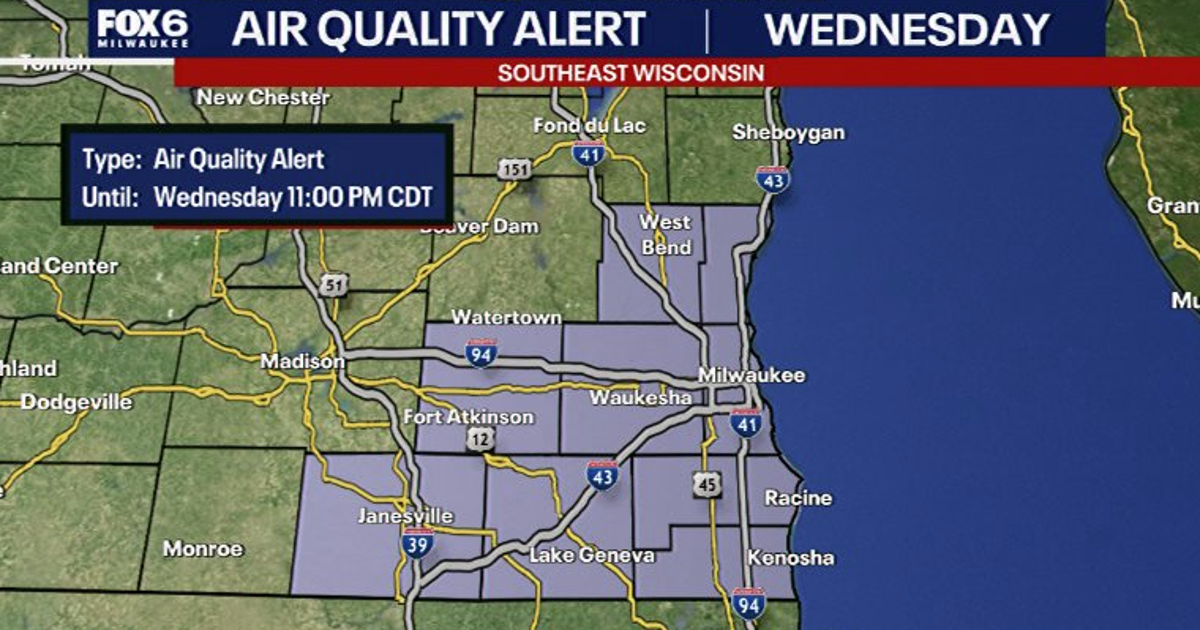
As of today, June 3, 2026, southeast Wisconsin residents are experiencing an unhealthy air quality condition, specifically elevated ozone levels that pose health risks, particularly for sensitive groups. The National Weather Service has issued an Air Quality Alert for nine counties in the region until 11 p.m. Wednesday, warning of potential respiratory symptoms like coughing and shortness of breath.
Why Ozone, Not Wildfires?
Contrary to common misconceptions, today's air quality concerns are not driven by wildfires, despite clear skies. According to the Milwaukee Journal Sentinel, the current alert stems from ozone formation rather than wildfire smoke—a phenomenon that often confuses residents and policymakers alike. This is a critical distinction to understand, as it highlights how air quality can deteriorate even when the sky appears pristine.
- Background: Ozone at ground level is a harmful pollutant formed when sunlight reacts with nitrogen oxides and volatile organic compounds (VOCs) from vehicle emissions and industrial sources.
- Current conditions: High temperatures and intense solar radiation on June 3 have accelerated ozone production in the region, creating a perfect storm for elevated levels.
- Impact: The alert targets individuals with asthma, children, and the elderly, who may experience exacerbated symptoms.
While some might assume that clear skies mean clean air, this is a common misconception. The Milwaukee Journal Sentinel emphasizes that the current air quality alert is a result of chemical reactions in the atmosphere, not particulate matter from distant wildfires.
How This Fits into Regional Weather Patterns
Wisconsin's unique geography, with its proximity to major urban centers and industrial hubs, makes it susceptible to ozone formation during summer months. The Wisconsin Department of Natural Resources (DNR) has issued an advisory for southeast Wisconsin counties, signaling a regional concern that extends beyond isolated incidents.
This alert aligns with broader trends in urban air quality management, where ozone is now recognized as a primary health risk in many mid-latitude regions. Unlike wildfire smoke, which carries particulate matter, ozone is a secondary pollutant that forms in the presence of sunlight and precursor gases.
The situation underscores the importance of understanding the nuances of air quality metrics. As the National Weather Service notes, this is a temporary alert tied to specific meteorological conditions rather than a prolonged crisis.