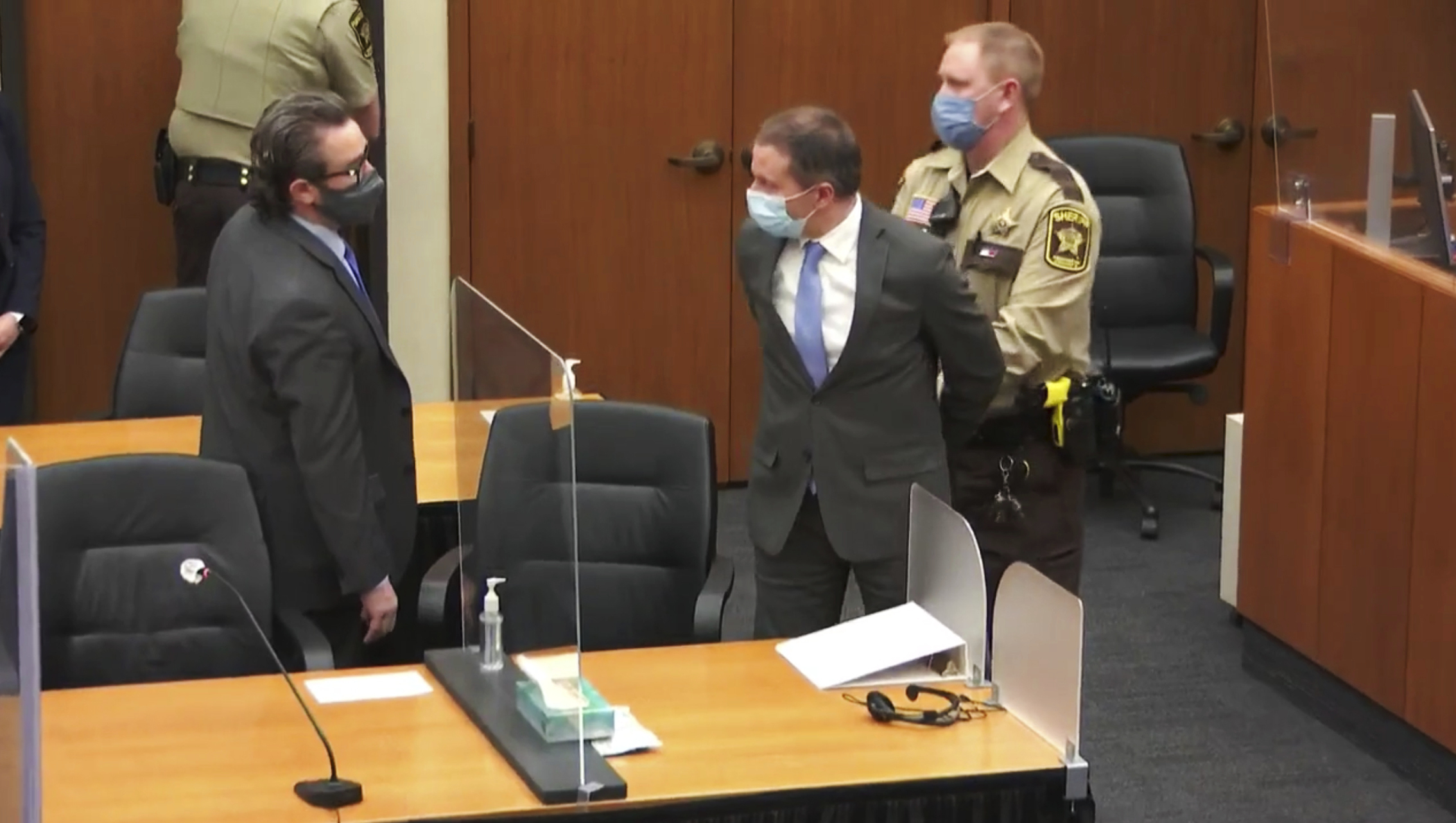
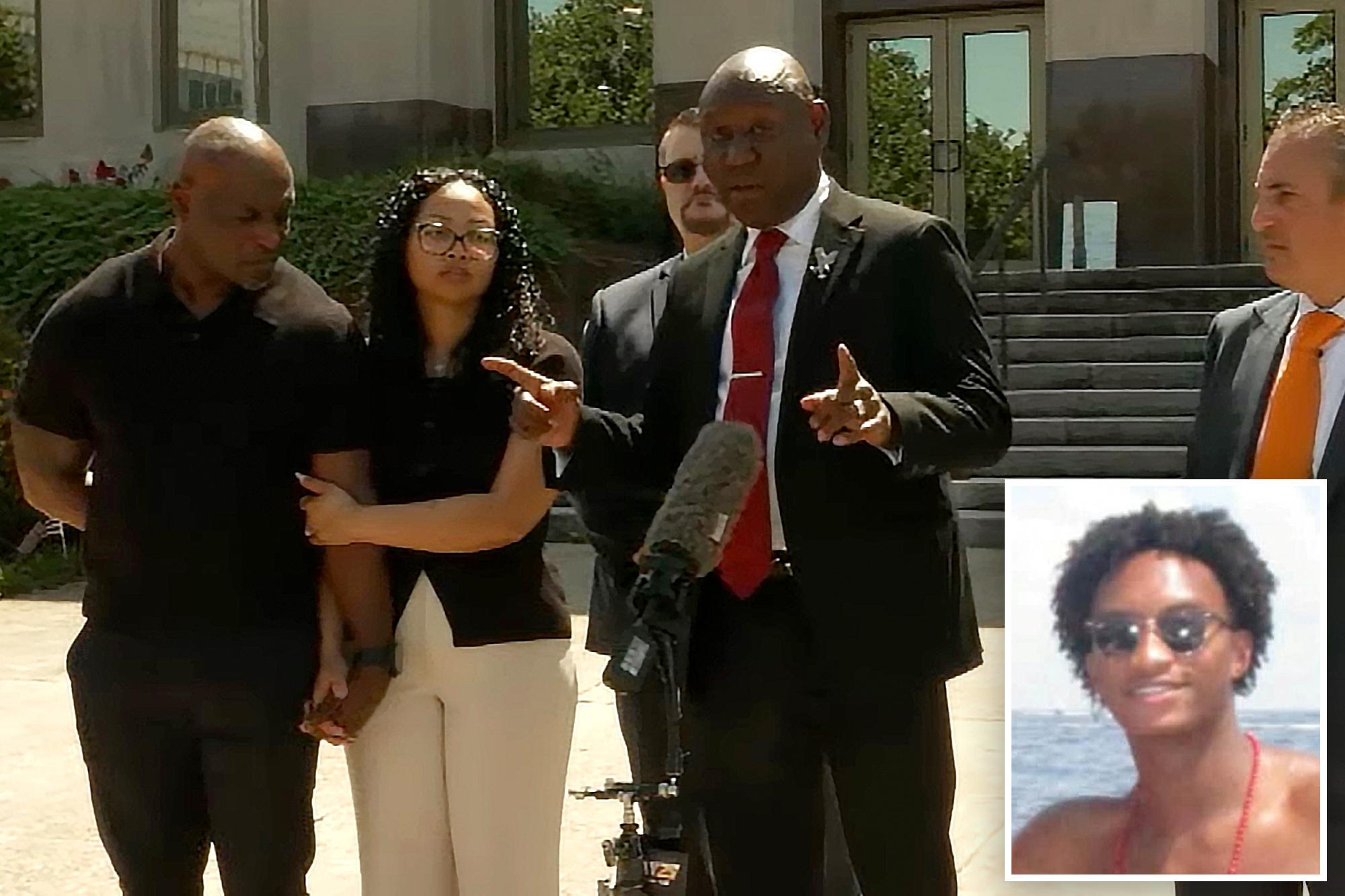
In a striking display of political controversy, the Minnesota GOP convention recently sparked national attention when a moment of silence was proposed for Derek Chauvin, the former Minneapolis police officer convicted of murdering George Floyd. The proposal, made by state Senate candidate Christopher Rocco, ignited immediate backlash from civil rights advocates and the George Floyd family's legal team.
Did the Minnesota GOP Actually Honor Derek Chauvin?
At the Republican state convention in Duluth on May 30th, Christopher Rocco—a candidate for Minnesota Senate—formally proposed a moment of silence to honor Chauvin. This move drew sharp criticism, with the George Floyd family's attorneys demanding an official apology from the Minnesota GOP. The controversy quickly became a focal point for debates over racial justice and political accountability.
The moment of silence was part of a broader context of racial tensions following George Floyd's death, which occurred on May 25th, 2020. Chauvin, a former Minneapolis police officer, had been charged with second-degree unintentional murder, but his actions led to a nationwide movement for police reform and racial equity.
What Did the GOP Convention Do?
- The GOP convention held a moment of silence for Chauvin, a move that drew criticism from civil rights groups and the George Floyd family
- Christopher Rocco, a state Senate candidate, proposed the moment of silence during the convention
- Minnesota GOP chairperson Chris Finstad denied being present at the event, stating he was not at the convention
These actions highlight a growing divide between the Republican Party's stance on racial justice and its traditional emphasis on law and order. The moment of silence, while seemingly symbolic, has become a flashpoint for discussions about accountability and systemic racism.
Legal experts have noted that the moment of silence was intended to honor Chauvin, but critics argue it was a strategic move to avoid addressing the broader implications of his actions and the systemic issues that led to George Floyd’s death.
As the debate continues, this incident underscores the complex relationship between political platforms, public sentiment, and the legacy of police violence in the United States. The moment of silence has become a symbol of the tension between honoring individuals and acknowledging systemic failures.