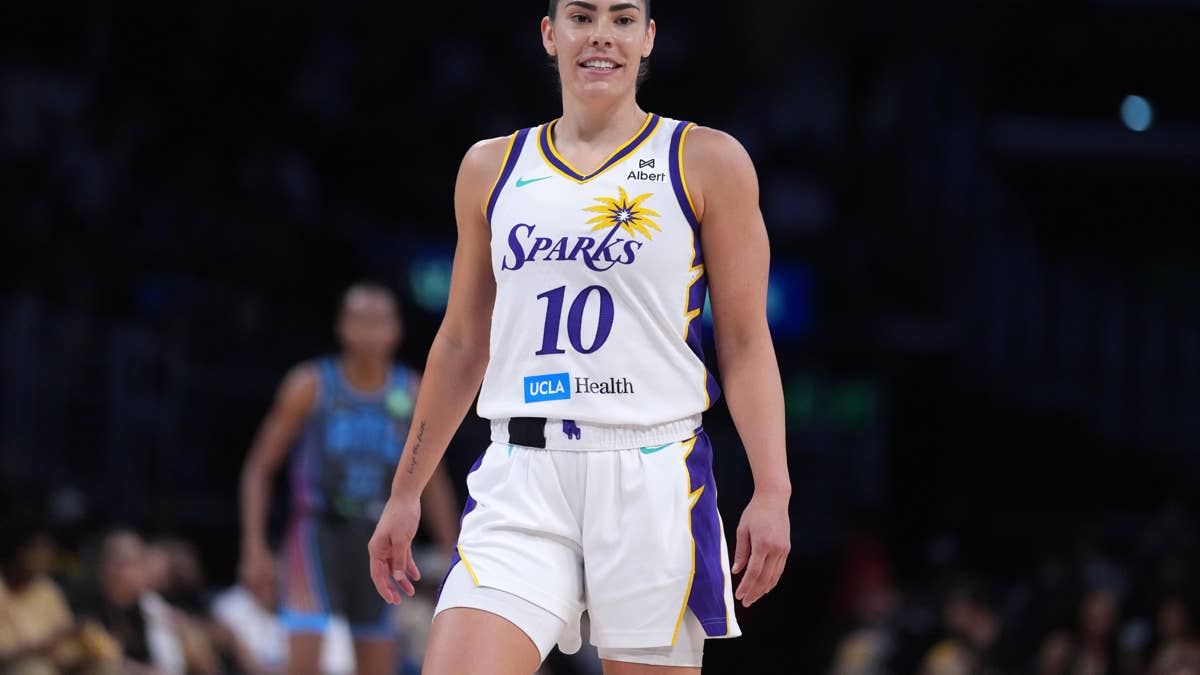
When the Los Angeles Sparks faced a critical moment in their Western Conference race, the answer to their immediate need for a key player came from an unexpected source: Kelsey Plum's remarkable return from injury. After missing three consecutive games due to a right ankle sprain, Plum has been named a probable starter for the upcoming matchup against the Dallas Wings—a move that signals not just her physical readiness but her strategic approach to recovery.
Kelsey Plum's journey back to the court was anything but routine. In a candid interview, she revealed her commitment to rehabilitation with an intensity that defies typical recovery protocols. 'I rehabbed like a maniac', she said, emphasizing her dedication to getting back on the court as quickly and safely as possible. This statement, while seemingly casual, reflects a broader philosophy about balancing athletic performance with injury prevention—a critical consideration for professional athletes in high-stakes sports like the WNBA.
How did Kelsey Plum's rehab approach differ from others?
Kelsey Plum’s rehabilitation strategy wasn’t just about speed—it was a calculated effort to restore not just her mobility but her confidence in high-pressure situations. While many athletes prioritize immediate return to play, Plum focused on restoring her ability to execute complex plays under pressure, a skill crucial for a team captain who leads by example.
- Early mobilization: Starting rehabilitation within 48 hours of injury ensured her body adapted to movement without prolonged stiffness.
- Customized load management: Tailored exercises to prevent re-injury, focusing on her role as a playmaker and ball-handler.
- Psychological resilience: Mental preparation to handle the emotional toll of being sidelined, a critical aspect of her leadership role.
Her approach has been validated by medical professionals who highlight her ability to integrate physical and mental health strategies. In the WNBA, where players often face intense physical demands and high-stress environments, Plum’s methods have become a benchmark for effective recovery.
What makes Kelsey Plum’s comeback significant for the WNBA?
For the Los Angeles Sparks, this isn’t just about one player returning—it’s about the ripple effect of a player who can consistently perform at the highest level despite injuries. In a league where players often face extended injury timelines, Plum’s ability to recover quickly and maintain performance has set a new standard for accountability in recovery protocols.
Her story highlights the importance of personalized rehabilitation in a sport where injuries can have long-term consequences. With the WNBA now emphasizing player health and performance, Plum’s methods have influenced how teams approach recovery, making her a role model for athletes worldwide.