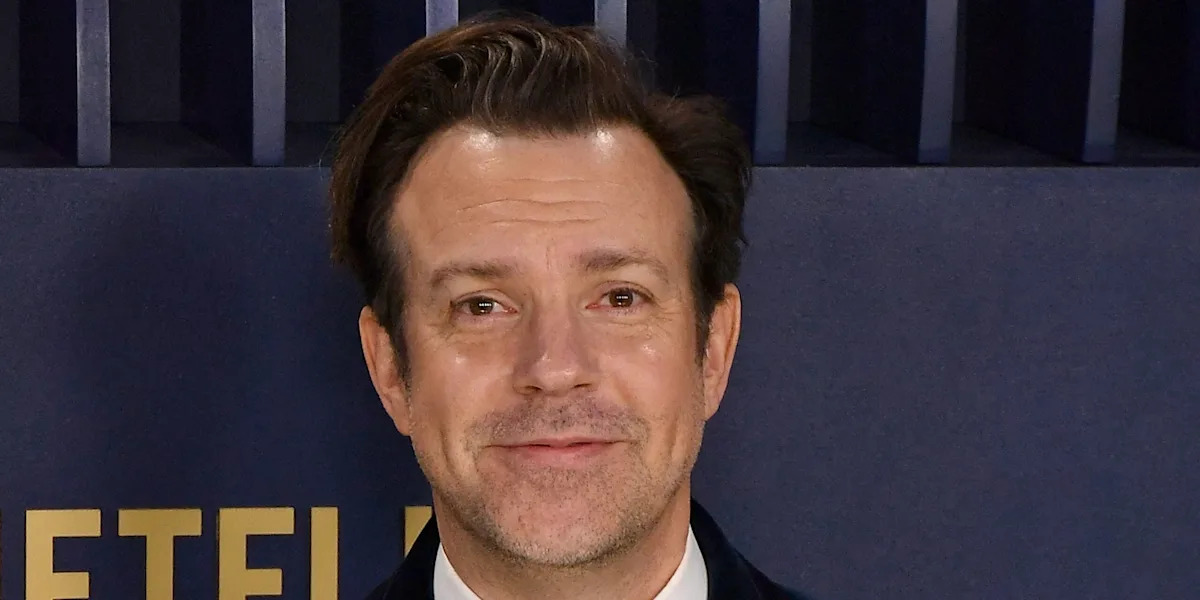
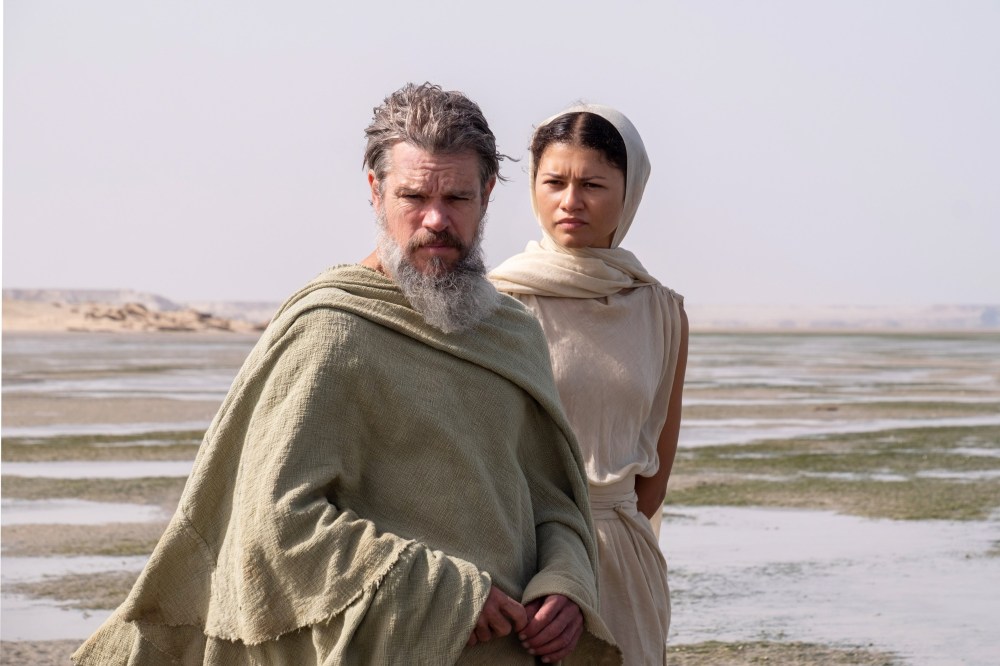
Jason Sudeikis, the acclaimed actor and writer behind the smash-hit TV series Ted Lasso, has been at the center of recent speculation regarding his working relationship with co-star Hannah Waddingham. These whispers, initially framed as a 'love-hate' dynamic, have recently been debunked by Waddingham herself, shedding light on the complexities of collaboration in high-stakes creative environments.
Early reports suggested an 'ongoing love-hate relationship' between Sudeikis and Waddingham, rooted in disagreements over script revisions during the production of Ted Lasso. Insiders claimed that behind-the-scenes tensions were so pronounced that they 'painted a troubling picture' of the show's internal dynamics. However, this narrative has been quickly challenged by Waddingham, who has set the record straight: there was no actual rift. The conflict, she clarified, was simply the natural friction of a creative process where both actors were deeply invested in refining their characters and storytelling.
The reality of Ted Lasso's production challenges is far more nuanced than the 'love-hate' label implies. As a show that thrives on optimism and kindness, the series has often been celebrated for its positive messaging and team cohesion. Yet, behind the scenes, the pressure to deliver a flawless narrative can create friction. This is particularly true in a show with a diverse cast and a tight-knit creative team that must constantly adapt to evolving audience expectations and critical feedback.
How Do Creative Teams Navigate Conflict in High-Profile Projects?
At the heart of this discussion lies a critical question: How do creative teams balance the need for innovation with the demands of maintaining a cohesive narrative? The answer is not one-size-fits-all. In the case of Ted Lasso, the production team has implemented a structured process for script revisions, which allows for iterative changes without compromising the show’s core message. This approach has been praised by industry experts as a model for handling creative differences in collaborative projects.
- Regular meetings between actors and writers to align on character arcs and plot developments
- Flexible timelines that accommodate the evolving needs of the audience
- Clear communication channels for addressing concerns before they escalate
The 'love-hate' narrative, while initially sensationalized, actually reflects a common challenge in the entertainment industry: the tension between creative expression and narrative consistency. This is not unique to Ted Lasso, but rather a universal struggle that many successful shows face. The key to resolving these tensions lies in open dialogue and mutual respect, even when disagreements arise.
The story of Sudeikis and Waddingham highlights the importance of transparency in the creative process. By addressing these issues head-on, the production team has been able to maintain the show’s signature positive tone while still delivering a high-quality product. This approach has been widely praised by critics and fans alike, who have noted the show’s ability to balance humor with meaningful social commentary.
As the final season of Ted Lasso approaches, the team has emphasized the importance of keeping the focus on the story rather than the drama behind the scenes. This shift in perspective has helped the show maintain its reputation for being a beacon of hope and positivity in an often divided world.