Notice: error_log(): Write of 46 bytes failed with errno=28 No space left on device in /var/www/html/plugins/LangManager/LangManager.php on line 111
NewsRPT

2026 World Cup Mexico Safety: How Robotic Dogs and Helicopters Are Shaping Security Strategy

Editor 06 Jun, 2026 ... min lectura

As the 2026 FIFA World Cup approaches its host nation, Mexico faces unprecedented security challenges. With the tournament spanning three countries—Mexico, the United States, and Canada—the scale of operations demands innovative solutions. While the World Cup has long been a global spectacle, this edition promises a unique security landscape, particularly in Mexico, where historical tensions and infrastructure limitations have shaped the country's approach to safety.

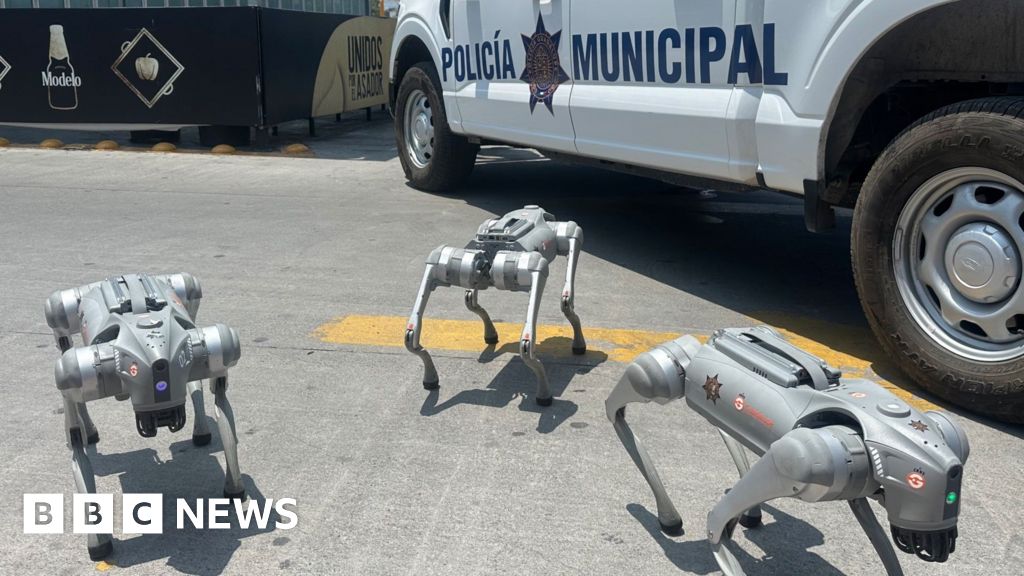
Monterrey, a key host city, has already begun deploying cutting-edge technologies to counter potential threats. According to the BBC's Will Grant, robotic dogs are being used to patrol streets around stadiums, while a central command center monitors real-time data. These systems, known as 'robodogs,' are equipped with advanced sensors to detect unusual activity, such as unattended packages or unauthorized access points. This proactive approach reflects a shift from traditional human patrols to AI-driven surveillance, aiming to reduce human error and enhance response times.

Can Mexico's security strategy prevent a repeat of past crises?

The 2019 Mexico City protests and the 2020 pandemic disruptions highlight the volatility of the region. Security teams must balance public safety with the need for open access to venues. For instance, during the 2019 protests, clashes between supporters and authorities led to over 100 injuries. This history underscores the urgency of modernizing security protocols, particularly in cities with high population density and diverse demographics.

  • Robodogs provide real-time threat detection without physical interference.
  • Helicopter patrols enable rapid response to emergencies across vast urban areas.
  • AI analytics predict high-risk zones before incidents occur.

The U.S. Embassy’s recent travel guidance for Mexico has added a layer of complexity. The updated advisory emphasizes heightened vigilance in areas with known criminal activity, particularly in border regions. This guidance aligns with Mexico’s broader strategy to integrate international intelligence networks, ensuring that security measures are not only locally tailored but also globally coordinated.

One critical factor is the legacy of tequila production in Mexico. The 'World Cup Revelry Hides Security Crisis in Birthplace of Tequila' report reveals that alcohol-related incidents have spiked during large events. This trend, rooted in the cultural significance of tequila, presents a unique challenge: how to manage the social dynamics of a nation where alcohol is deeply embedded in daily life and large-scale events.

While Mexico’s security apparatus has made strides, challenges remain. The integration of technology must address not only physical threats but also socio-economic factors. For example, the use of data-driven analytics can help identify high-risk areas, but it must be paired with community engagement to prevent alienation. The success of the 2026 World Cup will depend on a holistic approach that acknowledges both historical context and contemporary needs.