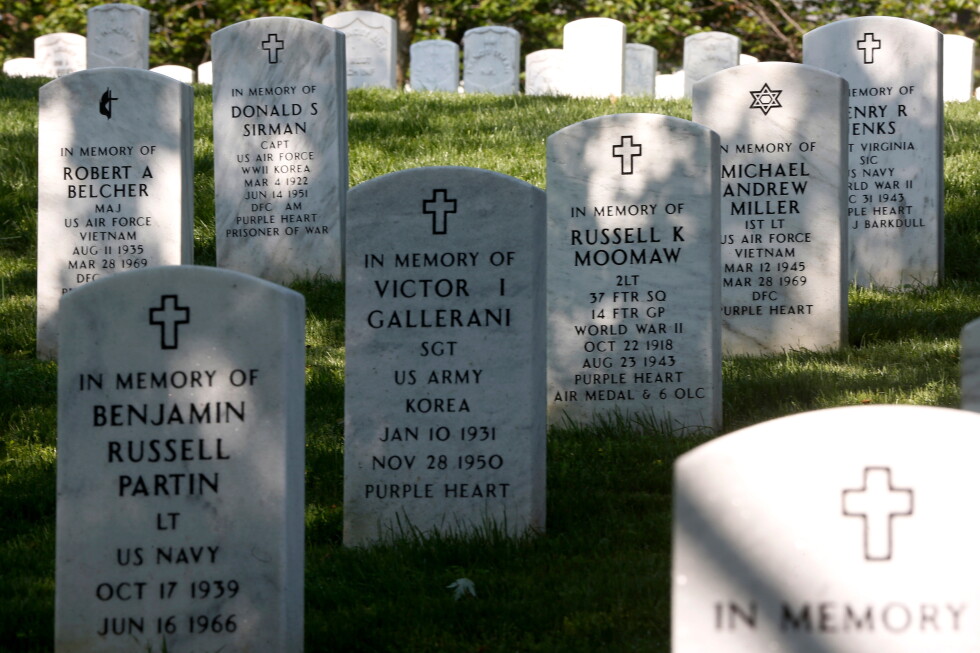
Secretary of Defense Pete Hegseth has ignited a significant debate with his recent decision to reduce the Department of Defense's recognized religious affiliations from over 200 to just 31. This move, part of a broader effort to streamline military personnel records, has drawn both praise and criticism across the country. The change, implemented through the Pentagon's latest update to its religious designations list, marks a pivotal moment in how the military handles religious diversity and inclusivity.
The action comes amid growing concerns about the practicality of maintaining a vast list of religious identities within a military context. With the Defense Department's religious designations list reduced from more than 200 to 31, the policy shift aims to simplify administrative processes and enhance data accuracy. Hegseth's decision, made during a period of intense scrutiny over military records, highlights the challenges of balancing religious freedom with operational efficiency.
How Does This Impact Military Personnel?
For service members, the change means they can now identify their religious affiliation more precisely within the military's system. Previously, the extensive list led to confusion and inconsistencies in records, particularly for those from smaller or newer faiths. This reduction helps ensure that religious data is reliable and consistent across all military branches.
- Reduced administrative burden: Fewer religious categories mean less time spent on data entry and maintenance.
- Improved data integrity: Clearer categorization reduces errors in military personnel records.
- Enhanced inclusivity: The new system allows for better recognition of major world religions while preserving the military's commitment to religious freedom.
However, critics argue that the move could marginalize minority faiths that were previously included in the list. Some religious groups, particularly those with smaller followings, may find themselves excluded from the updated list, raising concerns about representation and equity.
The debate is not new. Historically, the military has struggled with similar issues, such as the inclusion of non-traditional religious practices and the need to accommodate diverse religious needs in combat zones. For example, in the 1990s, the military faced challenges with identifying and supporting religious minorities during operations in the Middle East, which led to the implementation of more structured religious accommodation policies.
Hegseth's decision reflects a growing trend of prioritizing operational clarity over comprehensive religious coverage. While the change has been praised by some military officials for its practicality, others worry about the potential loss of critical religious diversity. The Department of Defense has not provided detailed information on the specific faiths removed, but it is clear that the move is part of a larger effort to modernize military record-keeping practices.
As the military continues to evolve, the implications of this decision will likely be felt across the board. With the military's role in global operations, the ability to accurately and efficiently manage religious data is crucial. The Pentagon's shift toward a more streamlined approach may set a precedent for future policy changes, but it also raises important questions about the balance between efficiency and inclusivity in military policy.