Notice: error_log(): Write of 46 bytes failed with errno=28 No space left on device in /var/www/html/plugins/LangManager/LangManager.php on line 111
NewsRPT

The Desolation Wilderness Mystery: A Missing Hiker's Journey Through Time and Terrain

Editor 06 Jun, 2026 ... min lectura

As the sun dips below the rugged peaks of Lake Tahoe, the search for Jason Coughran, a 60-year-old hiker missing since Memorial Day weekend, continues to unfold. His disappearance has become a critical case for law enforcement and emergency responders across California, highlighting the complex challenges of wilderness search operations. The El Dorado County Sheriff's Office has confirmed that Coughran, last seen near Fallen Leaf Lake, vanished from a well-maintained trail system in the Desolation Wilderness—a remote and unforgiving region known for its steep slopes and unpredictable weather.

Why is this case so difficult to solve?

Wilderness search operations are among the most intricate in emergency response. Unlike urban environments, where GPS signals and cell coverage are reliable, the Desolation Wilderness lacks infrastructure, making it challenging to track a missing person accurately. The area, which spans over 25,000 acres, is characterized by dense forests, high-altitude lakes, and limited visibility. These factors create a high-risk scenario where even small deviations in a hiker’s path can lead to significant delays in recovery.

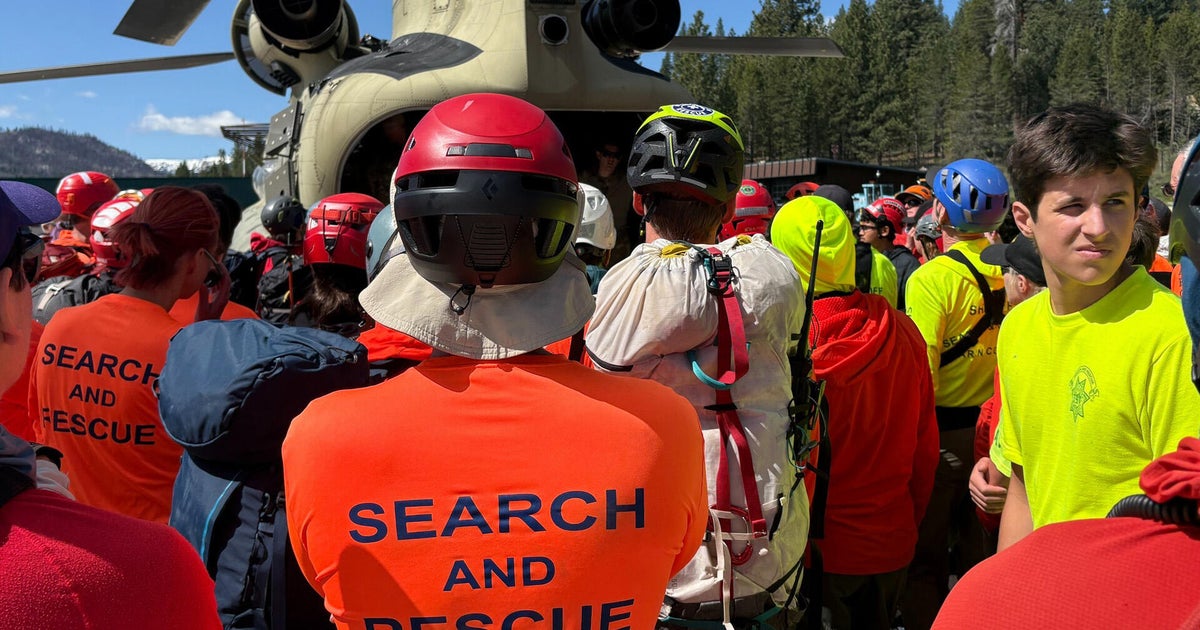
The search involves over a dozen agencies, including the National Park Service, local sheriffs, and volunteer teams, all working under tight timelines dictated by the changing weather conditions. In such environments, time is critical—every hour counts as the risk of hypothermia or dehydration increases.

  • Every hour without contact raises the risk of life-threatening conditions
  • Remote terrain complicates access and communication
  • Limited visibility in mountainous regions affects search efficiency

While the initial search has concluded, the investigation remains active. This means that the focus has shifted from immediate recovery to forensic analysis and community engagement. The case underscores the importance of early warning systems and the need for robust protocols in remote regions.

What does this case tell us about the risks of hiking in wilderness areas?

For hikers, the risks of wilderness travel are often underestimated. Coughran’s case highlights the dangers of venturing into areas with limited trail markers and sudden weather changes. The Desolation Wilderness, while beautiful, is also known for its unpredictable conditions, including sudden storms and flash floods that can quickly wash away trails.

Experts emphasize that hikers should always carry emergency communication devices, such as satellite phones or GPS trackers, and know the location of the nearest emergency services. This case serves as a reminder that even experienced hikers can face life-threatening situations in remote areas.

Moreover, the case reveals a critical gap in public awareness about wilderness safety. Many hikers believe that trails are always marked and that they can rely on visual cues for navigation, but in reality, the terrain can be deceptive. The El Dorado County Sheriff’s Office has noted that the area has a high rate of unmarked or poorly maintained trails, which increases the likelihood of getting lost.

How can we prevent future incidents?

Prevention is key in wilderness safety. Simple steps like checking weather conditions before heading out, carrying a map and compass, and informing others of your route can significantly reduce the risk of becoming lost. In this case, the search efforts have been scaled up to include multiple agencies, demonstrating the importance of collaboration and resource allocation in such scenarios.

The story of Jason Coughran is not just about one individual’s disappearance—it’s a call to action for hikers to be more prepared and for communities to invest in better infrastructure and awareness.