The Critical Push to Close Indonesia’s Immunization Gaps: Japan and WHO Unite in a High-Stakes Battle Against Measles and Rubella

Editor 06 Jun, 2026 ... min lectura

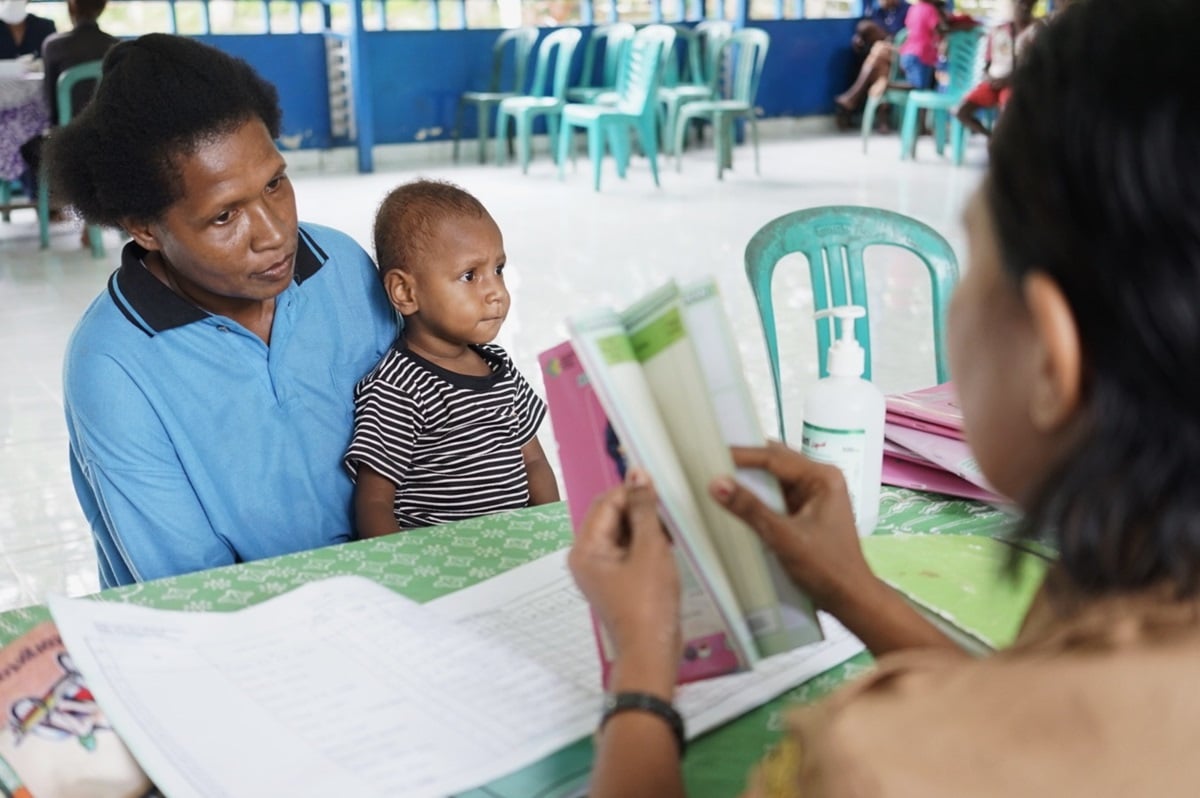
Indonesia’s struggle with vaccine-preventable diseases has reached a critical juncture, prompting a bold alliance between the World Health Organization (WHO) and the Government of Japan to combat rising measles and rubella outbreaks. Launched on June 5, 2026, this joint initiative aims to address critical immunization gaps that have left millions of children vulnerable to life-threatening illnesses.

Measles and rubella are not just individual health risks—they represent a systemic failure in public health infrastructure. In Indonesia, where over 250 million people live in remote regions with limited healthcare access, these diseases have become a silent epidemic. The WHO’s data shows a staggering 11% increase in measles cases over the past two years, while rubella outbreaks have surged by 18% in under-vaccinated communities. Without immediate intervention, these trends could lead to catastrophic outcomes, particularly for children under five years old.

Why Indonesia’s Immunization Crisis Matters Now?

Indonesia’s challenge is emblematic of a broader global issue: the erosion of childhood vaccination coverage. With a population of over 270 million, the country has historically struggled with low immunization rates in rural areas, where health facilities are scarce and cultural resistance to vaccines persists. The recent collaboration between WHO and Japan underscores the urgency of this crisis. Japan’s financial and technical support, including mobile vaccination units and digital tracking systems, is designed to reach remote populations that traditional healthcare systems cannot.

  • Mobile vaccination units deployed by Japan’s Ministry of Health, Labour and Welfare to deliver vaccines to isolated communities
  • Digital tracking systems that monitor vaccine coverage in real time, reducing administrative delays
  • Community health worker programs trained to educate families on the importance of timely immunizations

The success of this initiative hinges on addressing both the immediate and long-term challenges of vaccine access. By integrating technology and community engagement, the initiative seeks to not only reduce outbreak risks but also build sustainable health systems that can withstand future crises.

Parents and educators must recognize that immunizations are not just a personal health choice—they are a societal investment. Delaying or skipping vaccines can have devastating consequences, including severe complications from measles and rubella, such as blindness, congenital disabilities, and even death. The WHO’s emphasis on early vaccination is not optional—it is a critical step toward safeguarding children’s futures.

As the initiative progresses, it offers a model for other countries facing similar challenges. Indonesia’s case highlights how targeted, evidence-based interventions can transform public health outcomes. By learning from this effort, the global community can build more resilient health systems capable of addressing emerging threats.

Islas Malvinas Argentinas — Franja