As the United States grapples with the rapid evolution of artificial intelligence, the question of government involvement in the technology sector has never been more urgent. The Trump administration’s recent discussions with OpenAI about potential government stakes in the AI startup have sparked intense debate about the future of public ownership in cutting-edge tech. This move, part of a broader trend of political and economic experimentation with AI, reflects a deepening tension between private innovation and state intervention.
Who's Talking About Public Ownership?
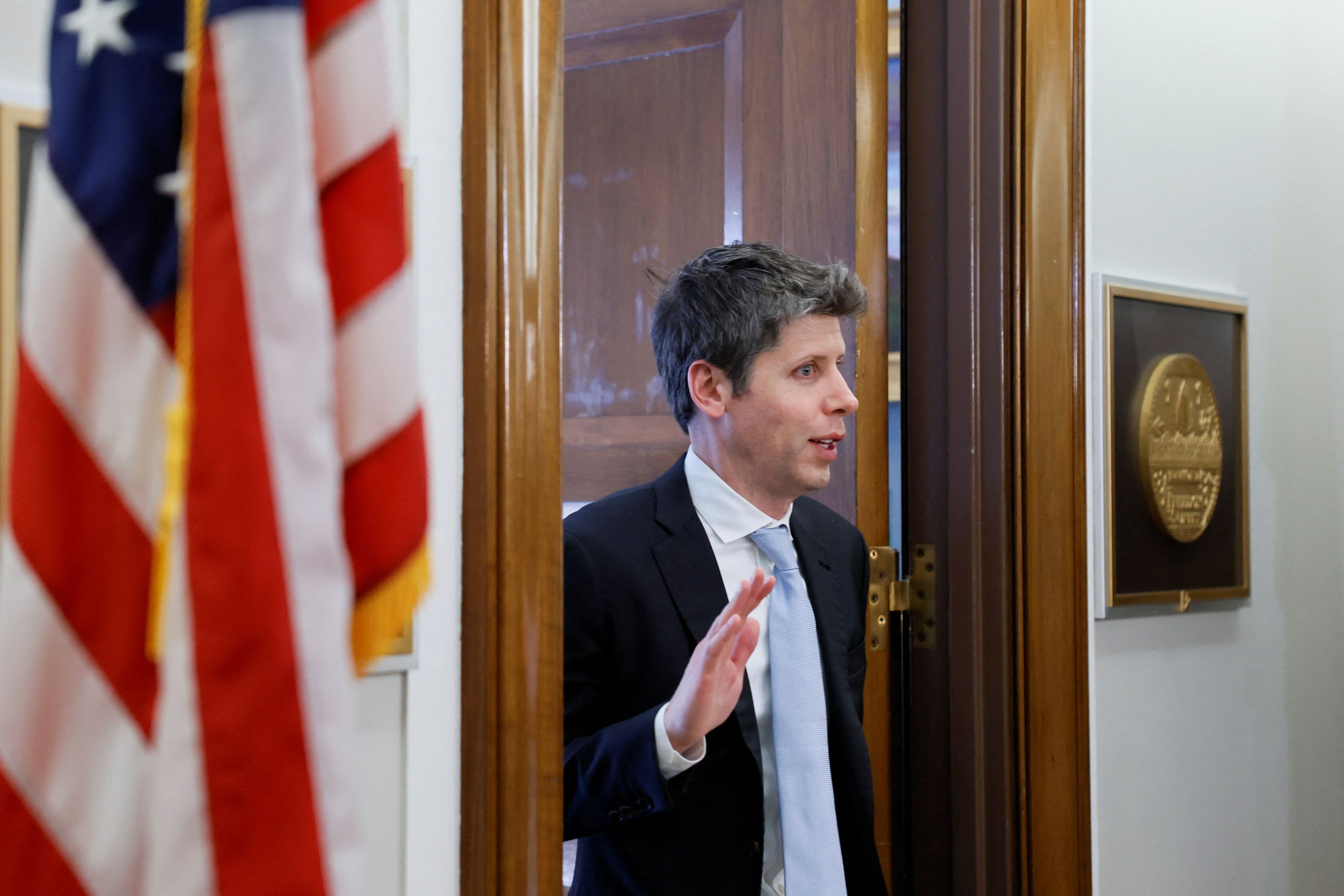
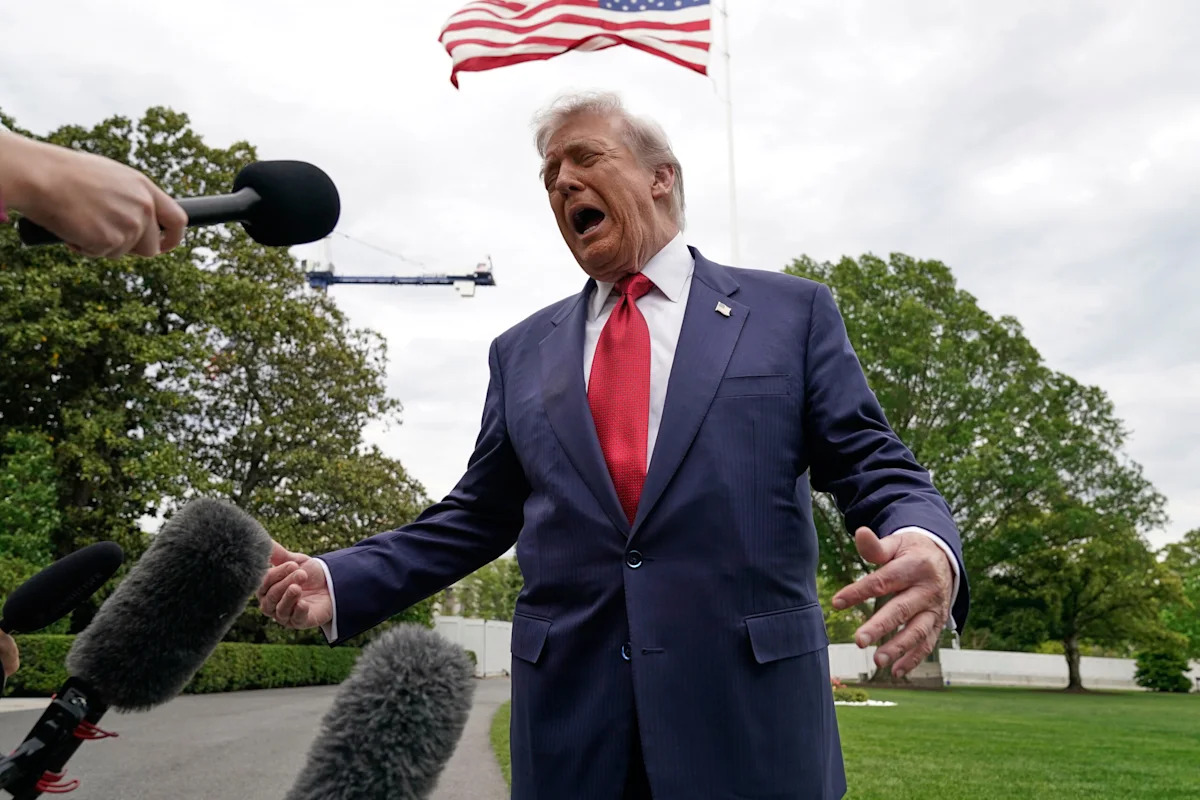
At the heart of this debate are three prominent figures: Donald Trump, Bernie Sanders, and Sam Altman. Each has articulated a distinct vision for how the U.S. should approach AI development and commercialization. Trump’s push for a government stake in OpenAI isn't just about financial control—it’s a strategic effort to align AI development with national security and economic interests. Meanwhile, Sanders advocates for a more radical approach, proposing that AI should be treated as a public good, managed through federal oversight to prevent monopolistic practices and ensure equitable access. Altman, on the other hand, has long argued for a collaborative framework where the government and private sector work together to foster innovation while mitigating risks.
The implications of these discussions are profound. If the Trump administration does secure a stake in OpenAI, it could set a precedent for government involvement in AI, reshaping how the U.S. interacts with high-stakes technological ventures. However, this also raises concerns about the balance between innovation and regulatory overreach. Critics argue that direct government stakes could stifle the agility that private companies need to adapt to fast-moving tech landscapes.
What’s the Real Goal?
One key question to ask is: What does a government stake in AI actually mean for the future of innovation? Proponents, including Trump’s team, argue that government involvement will help ensure that AI is developed responsibly and aligned with national priorities. Critics, however, fear that such a move could lead to a loss of autonomy for AI companies, which are critical to driving technological progress.
- Public ownership would shift control of AI development to the federal government, potentially prioritizing national security over market dynamics
- Government stakes could create a financial mechanism for funding AI research without direct oversight
- Collaborative frameworks between private entities and public institutions could foster transparency and accountability in AI governance
The stakes are high, but the path forward isn't clear. As the conversation continues, it’s critical to weigh the benefits of government involvement against the risks of overreach. The outcome of these discussions could have far-reaching consequences for how the U.S. navigates the complex landscape of AI development.