How Missing Persons Cases Are Reshaping Modern Search and Rescue Efforts

Editor 06 Jun, 2026 ... min lectura

Missing persons cases have long been a critical focus in law enforcement and community safety. Today, they are evolving into complex, technology-driven challenges that demand innovative solutions and public collaboration. As cases like those involving Kathryn Woessner and other vulnerable individuals reveal, the urgency of timely intervention can mean the difference between a successful recovery and permanent separation.

The recent efforts by the Douglas County Sheriff's Office to locate Kathryn Woessner, a missing person reported on June 5, 2026, highlight the increasing reliance on community networks and digital tools. With aging populations and rising urbanization, the stakes for missing persons investigations have never been higher. Local authorities now emphasize proactive outreach, using social media and community partnerships to gather critical information quickly.

Why Missing Persons Days Are Critical for Cold Cases

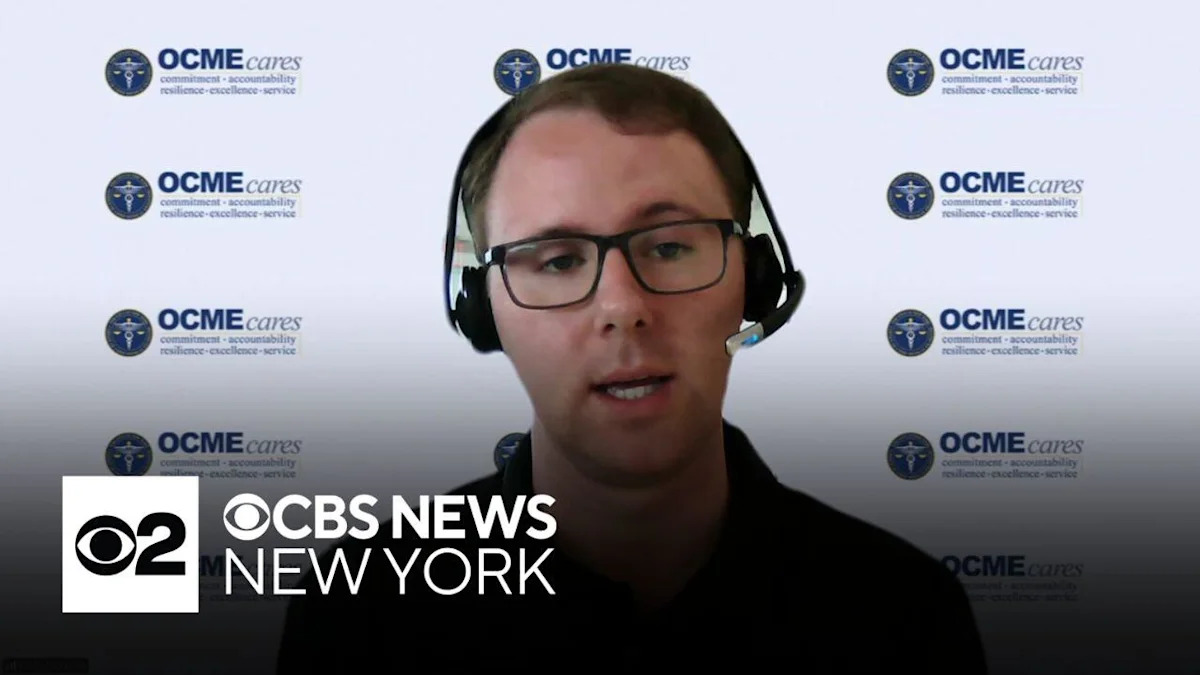
NYC's new Missing Persons Day initiative, launched to address cold cases with missing persons over 60 days, demonstrates a shift in strategy. The Office of the Chief Medical Examiner now provides specialized resources to families affected by prolonged disappearances. This program underscores the growing recognition that cold cases often require long-term, systematic tracking and forensic analysis.

  • The initiative targets cases where evidence is fragmented and timelines are critical
  • It includes digital tools to track medical records and biometric data
  • It connects families with forensic experts for timely interventions

By focusing on these extended timelines, authorities can significantly improve outcomes for individuals who have been missing for extended periods. The initiative also addresses the emotional toll on families, offering support through dedicated hotlines and counseling services.

Historically, missing persons cases have been managed through traditional methods, such as police patrols and community watch. However, the integration of technology, from AI-driven databases to social media analytics, has transformed the landscape. These tools allow agencies to identify potential leads more efficiently, reducing the time it takes to respond to emergencies.

The success of these efforts depends on public awareness and participation. When communities actively report suspicious activity and share information, the chances of locating a missing person increase dramatically. In the case of Kathryn Woessner, local residents were encouraged to provide details about her last known location, which could be vital for a swift resolution.

Furthermore, the psychological impact on families cannot be overstated. Many missing persons cases involve elderly individuals or those with medical conditions, making them particularly vulnerable. The integration of mental health support into missing persons investigations is becoming standard practice, ensuring that families receive the necessary care during these distressing times.

As technology continues to advance, the role of public involvement will grow even more significant. With the rise of mobile applications and social media platforms, individuals can now report missing persons in real-time, creating a more responsive and effective system.