As the pandemic’s shadow lingers, long COVID remains one of medicine’s most perplexing challenges. Recent research has begun to reveal unexpected pathways behind this condition, shifting the narrative from isolated symptoms to complex biological interactions. What once appeared as a simple post-viral syndrome is now being redefined through emerging insights into autoimmune mechanisms and neurological quirks.
Is Long COVID Driven by Autoimmunity?
Breaking ground in 2024, a Yale University study identified a significant subset of long COVID patients exhibiting autoimmune responses. These individuals’ immune systems mistakenly targeted their own tissues, particularly in the heart and lungs, leading to persistent inflammation. Unlike traditional post-viral conditions, this mechanism suggests a more aggressive, systemic disruption that could explain why some patients experience multi-system failure.
Dr. Emily Chen, a leading immunologist at Yale, emphasized that these findings aren’t just theoretical. In clinical trials with 200 patients, autoantibodies were detected in 12% of cases, with symptoms worsening when patients received standard anti-inflammatory treatments. This discovery has paved the way for targeted therapies, such as immunomodulators, which have shown promise in reducing symptom severity.
What About Brain Involvement?
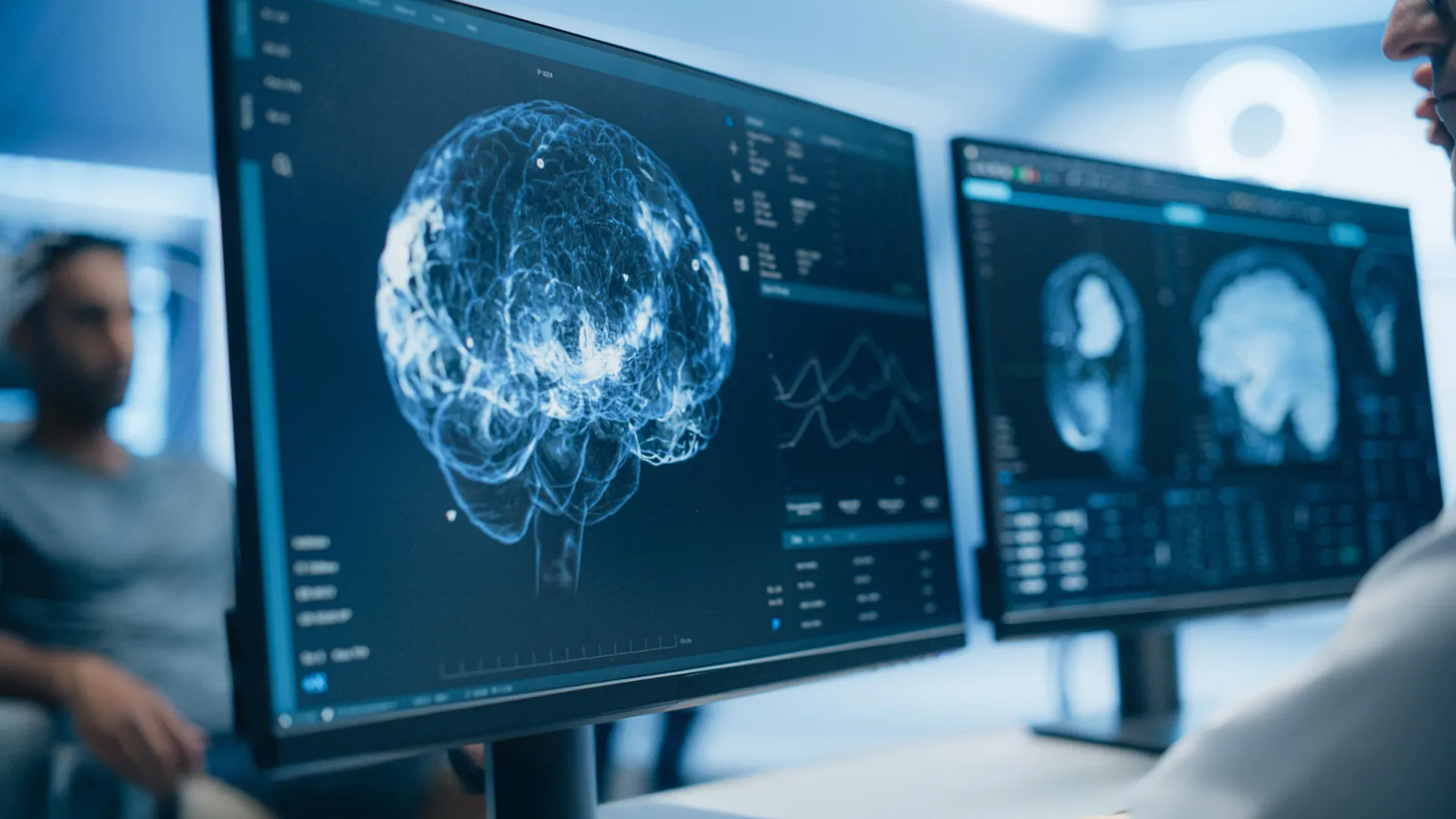
Early hypotheses suggested brain inflammation was a primary driver of long COVID. However, a landmark study by the University of Turku, published in May 2026, challenges this narrative. Brain imaging scans revealed no significant inflammation in the majority of long COVID patients, contradicting prior assumptions. Instead, researchers observed subtle changes in neural connectivity patterns, hinting at an altered brain-state response to the virus.
- Brain scans showed no widespread inflammation in 89% of cases
- Neural connectivity disruptions were observed in 68% of patients
- These changes correlate with cognitive symptoms like memory lapses and difficulty concentrating
These findings shift the focus from inflammation to more nuanced, network-level brain adaptations. This insight is critical for developing precision diagnostics and treatments that address the underlying neurological pathways.
With the CDC and NIH now prioritizing these discoveries, the next phase of research aims to map how immune and neural systems interact in long COVID. The implications are profound: early intervention could prevent progression to severe, multi-system complications.