Make America Healthy Again: A Movement in Crisis?

Editor 06 Jun, 2026 ... min lectura

When the phrase 'Make America Healthy Again' first emerged in 2018, it was framed as a sweeping initiative to tackle the nation's health crisis through policy shifts and public engagement. Today, as debates over healthcare, environmental toxins, and pharmaceutical regulations dominate the political landscape, this slogan has become a flashpoint in a fragmented and increasingly polarized health policy discourse. The movement’s original promise of a unified approach to health has been replaced by competing narratives, with its once-universal appeal now under scrutiny.

Has the 'Make America Healthy Again' movement truly delivered?

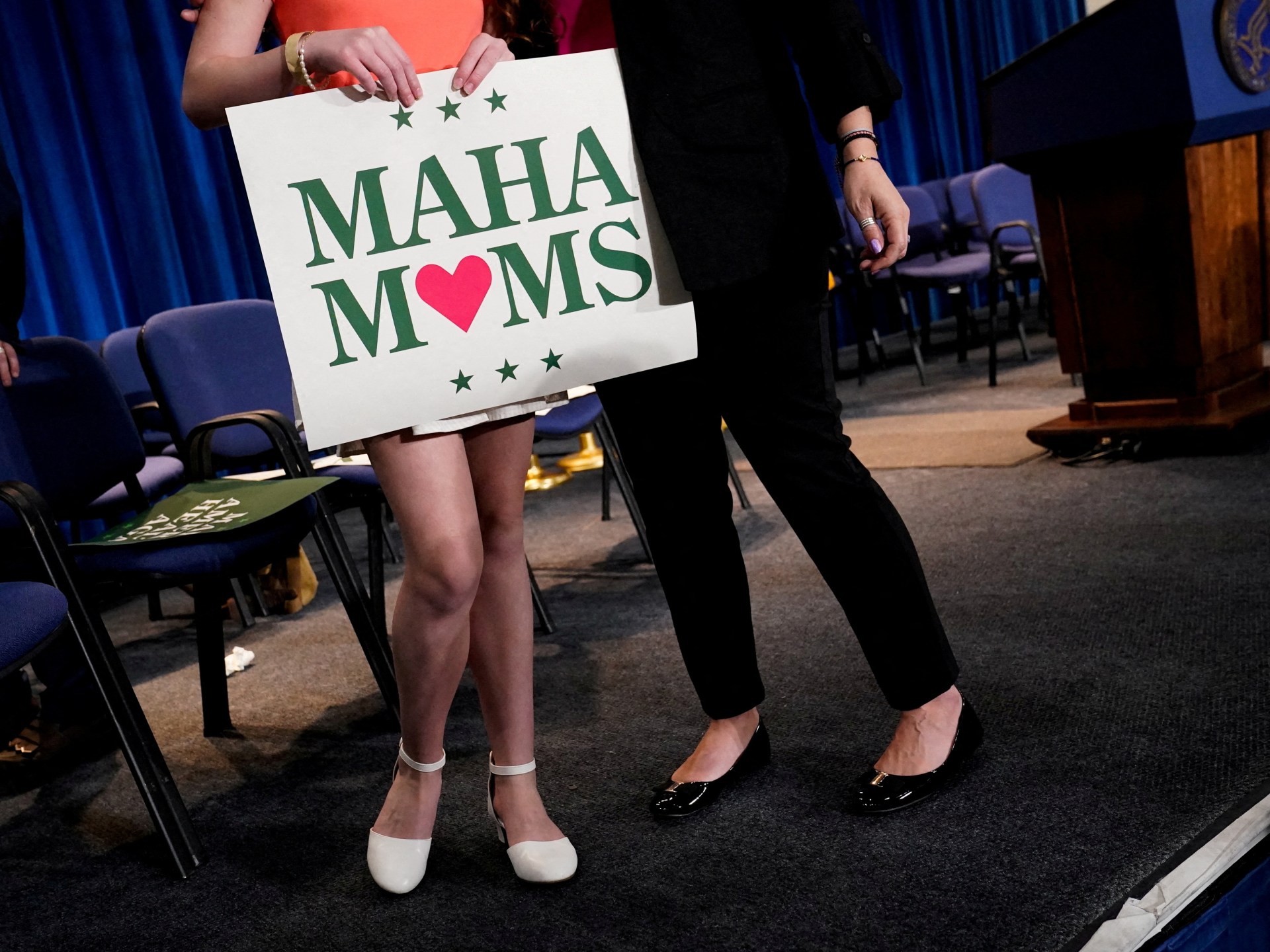
At its core, the movement aimed to position health as a central pillar of national policy, integrating environmental safety, agricultural practices, and public health into a cohesive framework. However, its trajectory has been disrupted by the rise of hyper-specialized movements like those of RFK Jr. and the 'MAHA Moms'—groups that now operate outside the mainstream political arena, focusing on niche issues such as glyphosate regulation and pharmaceutical transparency. These groups have shown significant influence in shaping local and state-level policy debates, but their impact on national health policy remains limited.

The movement's initial optimism was built on the premise that a 'healthy America' required systemic change, including stricter oversight of agrochemicals, stronger protections for consumers, and a more transparent approach to medical decisions. Yet, as political polarization deepens, the movement has been overshadowed by competing priorities, such as economic concerns and partisan gridlock. The absence of a clear, actionable roadmap has led to a fragmentation of efforts, with grassroots movements often operating in silos rather than in unison.

Why has the movement struggled to gain traction?

  • Policy fragmentation: While RFK Jr.’s advocacy for environmental health has drawn attention to the dangers of agrochemicals, his movement has been criticized for lacking concrete policy outcomes, resulting in a 'recession' in policy momentum.
  • Fragmentation of the public health agenda: The 'MAHA Moms' exemplify this trend, focusing on specific issues like glyphosate and herbicide regulations, but their influence is largely confined to localized advocacy and community-level campaigns.
  • Political realignment: The movement has failed to align with broader political shifts, such as the rise of populist rhetoric and the erosion of trust in traditional health institutions.

The movement’s decline is also tied to the changing political context. In 2024, with the election cycle intensifying, the movement has become a casualty of the broader political climate. The phrase 'Make America Healthy Again' has been overshadowed by more immediate concerns, such as economic instability and national security. This shift reflects a broader trend where health policy is increasingly seen as a secondary priority compared to economic and social issues.

For all its potential, the movement has not yet provided a comprehensive vision of how to achieve a 'healthy America.' Without a clear strategy and strong policy outcomes, it risks becoming another example of a movement that starts with good intentions but ends in fragmentation.