World Cup 2026: Who Will England Face in the Final?

Editor 06 Jun, 2026 ... min lectura

As the 2026 FIFA World Cup approaches, the anticipation around England's potential final opponents has surged. With Group L set to feature England, Croatia, Ghana, and Panama, the question of who England might meet in a potential final has become a focal point for fans and analysts alike. This analysis explores the strategic and historical implications of such a matchup, grounded in the current group stage dynamics and future tournament structures.

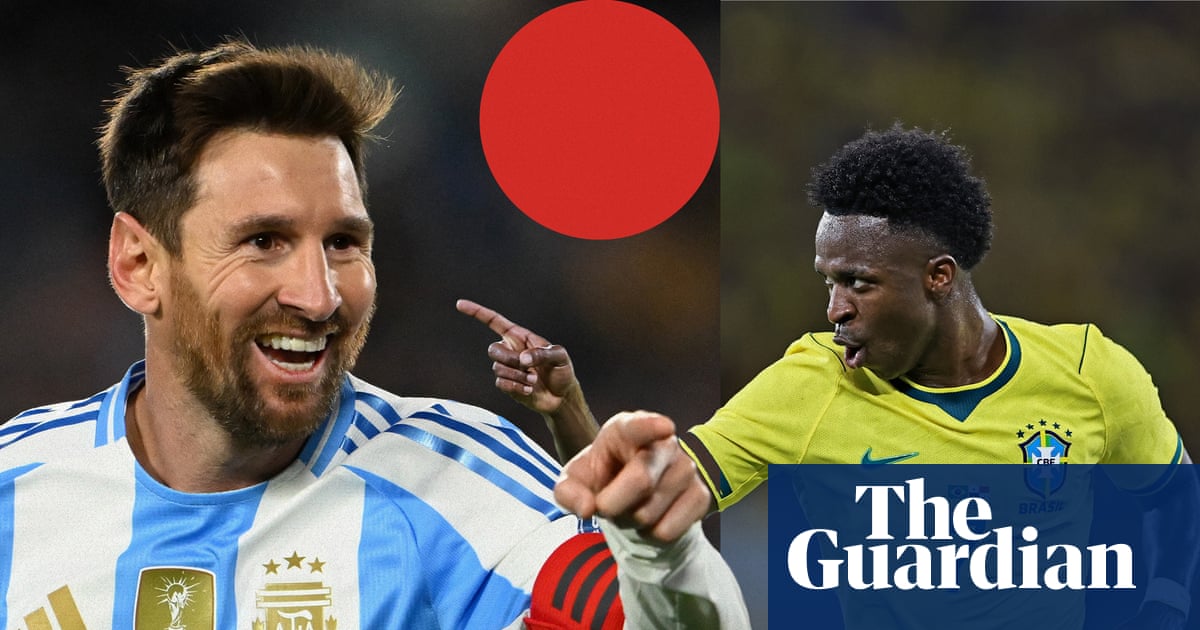
Could England Face Messi, Vinícius Júnior, Lamine Yamal, or Mikel Merino in the Final?

According to recent projections and historical context, England could potentially face a quartet of elite players, including Lionel Messi, Vinícius Júnior, Lamine Yamal, and Mikel Merino, if they reach the final. This scenario hinges on the 2026 World Cup's unique group stage format, where the top two teams from each group and the top eight third-place finishers advance to the knockout rounds.

The likelihood of England encountering these players depends on the performance of their group rivals. Croatia, with its seasoned veterans, has historically excelled in high-stakes tournaments, while Ghana's younger, dynamic squad presents a tactical challenge to traditional powerhouses. Panama, as a relatively new entry in the tournament, adds an unpredictable element to Group L's competitive landscape.

Why This Scenario Matters Beyond the Final Match

Understanding the implications of this potential lineup is crucial for fans and analysts alike. The 2026 World Cup will introduce a new era of football, with teams like England, Croatia, Ghana, and Panama competing in a format that prioritizes strategic depth and adaptability. The inclusion of younger talent, such as Lamine Yamal, represents a shift from the traditional dominance of established stars like Messi.

  • Historical context: Past tournaments have shown that teams with strong youth development programs often outperform those relying solely on veteran players.
  • Tactical evolution: Modern teams increasingly focus on dynamic, multi-faceted strategies that blend experienced veterans with emerging talents.
  • Geographical diversity: The 2026 World Cup's host countries (the United States, Canada, and Mexico) will bring a unique cultural and strategic dimension to the competition.

This combination of factors creates a compelling narrative for the World Cup's progression, where the final match could feature a blend of experience and youth, reflecting the evolving nature of global football.