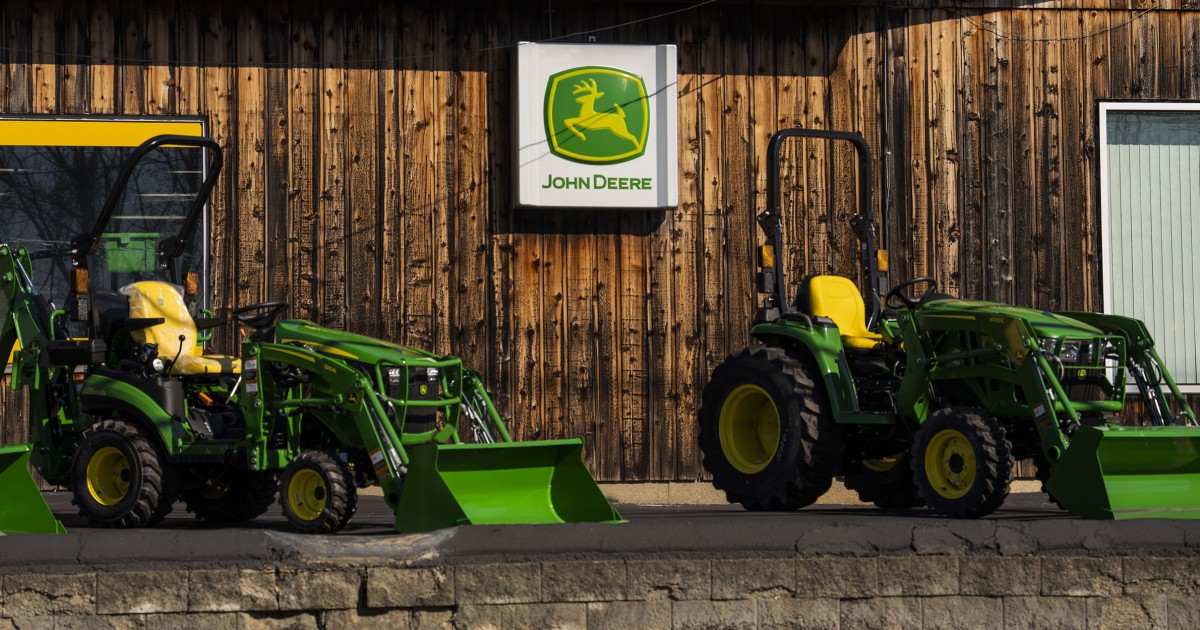
For decades, farmers across the United States have relied on John Deere, a global leader in agricultural machinery, for critical equipment that ensures harvest success. Now, a landmark settlement between John Deere and the U.S. Federal Trade Commission (FTC) has reshaped the landscape of equipment maintenance and repair. This decision, announced in 2026, addresses years of concerns about restricted access to repair parts and technical knowledge for farmers and independent technicians.
The case originated from a 2022 complaint by the FTC, which alleged that John Deere’s practices hindered farmers from performing repairs on their own equipment. The settlement marks the first time a major agricultural machinery manufacturer has been held accountable for such restrictions. It highlights a growing tension between corporate control and the practical needs of rural communities.
How Did This Happen?
Four years ago, Missouri farmer Jared Wilson’s John Deere combine malfunctioned mid-harvest, leaving him stranded without critical machinery. This incident, documented in a 2026 NBC News report, became a catalyst for the legal action that culminated in the settlement. Farmers and advocates argued that John Deere’s proprietary software and parts restrictions limited their ability to maintain equipment independently, often forcing costly and time-consuming trips to authorized dealers.
The FTC’s investigation revealed widespread issues, including the use of non-standardized parts, exclusive software access, and mandatory use of proprietary tools. These practices not only increased repair costs but also created a dependency on dealers, which often charged premium prices for basic maintenance.
What the Settlement Actually Means
- Access to parts and software: Farmers can now repair their equipment with parts and software that were previously restricted to authorized dealers.
- Cost reduction: Repair costs are expected to drop by an average of 20–30% for small to medium-sized farms.
- Farmer empowerment: Independent technicians can now access repair manuals and diagnostic tools without needing authorization from John Deere’s central servers.
These changes are significant, as they align with the broader push for right-to-repair in the agricultural sector. The settlement is a win for farmers who have long struggled with the high costs and logistical challenges of maintaining expensive equipment.
However, critics argue that the settlement is a step in the right direction but not a complete solution. The FTC has not mandated full transparency in software, leaving room for future disputes. Additionally, the settlement does not cover all types of equipment, such as heavy machinery used in large-scale commercial operations.
As the agricultural sector continues to evolve with digitalization, this case sets a precedent for how manufacturers can balance innovation with accessibility. The decision underscores the importance of transparency and collaboration between manufacturers and users.