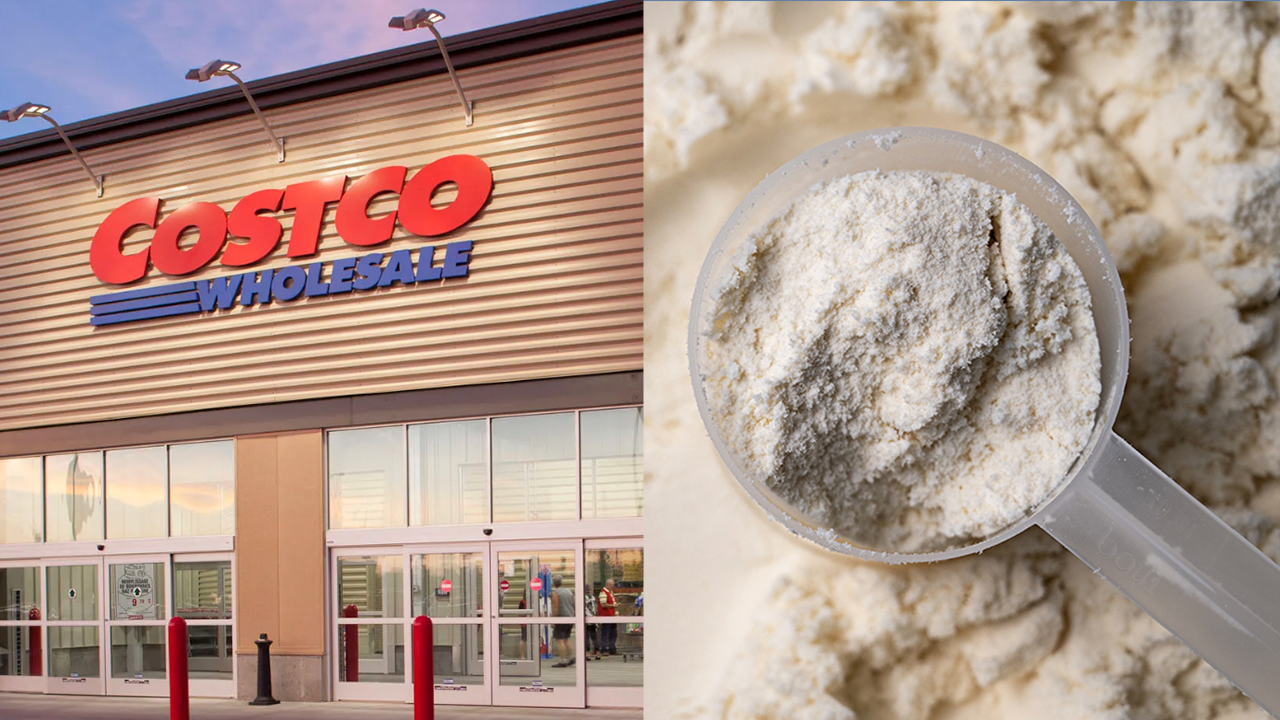
Costco's Protein Power: The Heavy Metal Crisis in Bulk Protein Powders

Editor 10 Jul, 2026 ... min lectura

Costco's reputation for offering affordable, high-quality products has recently been tested by a class action lawsuit targeting its protein powder inventory. The lawsuit, filed by seven consumers, alleges that a specific product sold at Costco stores contains 'dangerous' levels of lead, arsenic, and cadmium. This incident has sparked widespread concern about the safety standards of bulk protein powders, particularly those marketed as 'clean' and 'natural' solutions for fitness enthusiasts.

Why is this a big deal for consumers?

For decades, protein powder has been a staple for athletes and fitness enthusiasts seeking to boost muscle recovery and growth. However, the growing demand for convenience and cost-effectiveness has led to a shift toward bulk purchasing through retailers like Costco. While Costco's model offers significant savings, this recent lawsuit highlights a critical flaw in the supply chain for protein powders.

According to the lawsuit, the affected product—a specific brand of whey or soy-based protein powder—was found to contain elevated levels of heavy metals. These elements, including lead and arsenic, are known to be toxic even in minute quantities. The presence of such contaminants in a product marketed as 'healthy' is a serious breach of consumer safety standards, raising questions about the oversight mechanisms at play in the fitness industry.

What does this mean for the future of protein powders?

The implications of this lawsuit extend beyond a single incident. It reveals a systemic issue within the global supply chain of protein powders, where raw materials often come from sources with inherent contamination risks. For instance, the use of certain agricultural practices and processing methods can inadvertently introduce heavy metals into the final product. This is particularly concerning when the product is intended for regular consumption by individuals with specific health needs, such as those with kidney disease or other conditions sensitive to heavy metal accumulation.

The lawsuit also highlights the challenges faced by retailers like Costco in ensuring product safety across vast networks of suppliers. With thousands of items sold daily across multiple locations, the complexity of tracking and verifying each product's compliance with safety standards is immense. This case underscores the need for more robust testing protocols and transparency in the supply chain.

  • The lawsuit claims the contaminated product was sourced from a single supplier, but the issue may affect multiple brands.
  • Consumers are now urged to check product labels for heavy metal content and contact their local health authority.
  • The incident has prompted calls for stricter regulatory oversight of protein powder manufacturers.

Moreover, the case has drawn attention to the broader issue of 'greenwashing' in the wellness sector. Many protein powder brands market their products as 'natural' or 'organic' without providing clear information on potential contaminants. This lawsuit serves as a cautionary tale for consumers to be vigilant about product safety and the importance of third-party testing in the fitness industry.

What’s next?

Costco has not yet commented on the lawsuit, but the company has a history of addressing consumer concerns promptly. The outcome of this case could set a precedent for how retailers handle product safety issues, particularly in the fast-growing market of protein powders. If the lawsuit is successful, it could lead to more stringent testing requirements for all protein powder products, ensuring that consumers are protected from harmful substances.

The incident also highlights the importance of consumer awareness and proactive steps to protect health. As the demand for protein powders continues to rise, especially among younger generations seeking quick and easy solutions for their fitness needs, this case will likely influence future product standards and consumer behavior.