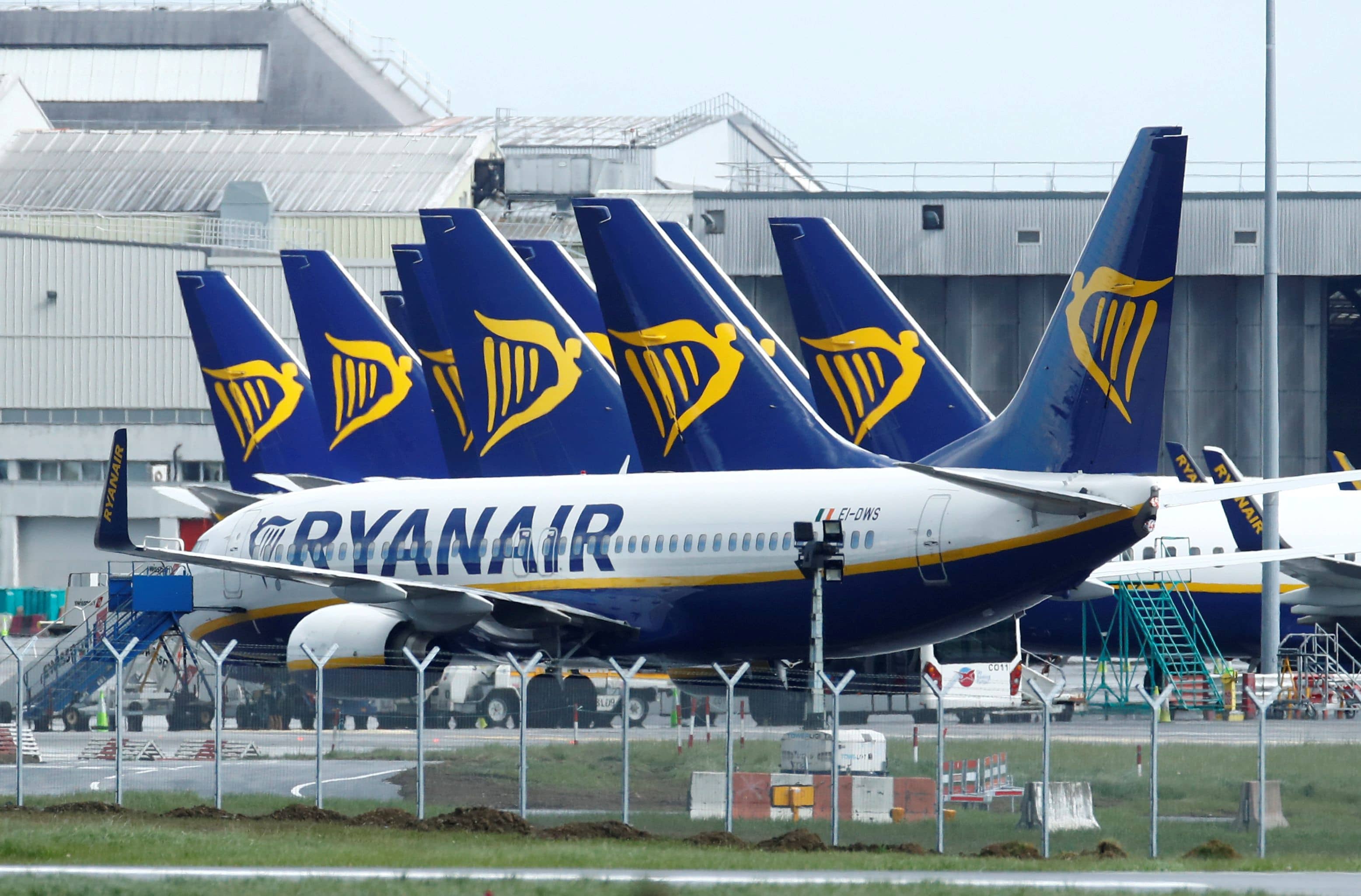
On Thursday, a harrowing incident involving a Ryanair flight from Thessaloniki, Greece, to Memmingen near Munich sparked global attention after a window detached mid-flight, forcing an emergency landing. The event, witnessed by passengers, has raised urgent questions about aircraft maintenance and in-flight safety protocols.
The incident occurred on Ryanair flight FR1879, which departed from Thessaloniki International Airport at approximately 7:45 a.m. local time. Witnesses reported that a passenger from Serbia, described as a tourist, was partially sucked through the shattered window. Fellow travelers quickly intervened, pulling him back into the cabin before the aircraft could lose critical altitude.
Could a single window failure endanger hundreds?
While this incident appears isolated, it highlights a broader concern in aviation: the vulnerability of aircraft to rapid structural failures. Modern commercial aircraft are designed to withstand extreme conditions, but the phenomenon known as 'wind tunnel effect' can occur under specific circumstances, such as high-speed turbulence or impacts from debris.
According to the International Civil Aviation Organization (ICAO), approximately 99.9% of commercial flights are incident-free. However, the incident on FR1879 demonstrates that even in highly regulated aviation systems, unforeseen events can disrupt operations. The aircraft’s emergency landing in Greece, after the window detachment, was conducted without casualties, but the near-miss underscores the need for immediate action.
- Window integrity testing is a critical component of pre-flight inspections, yet this incident suggests possible gaps in real-time monitoring
- Passenger intervention played a pivotal role in preventing severe injury, highlighting the importance of crew training in emergency scenarios
- Emergency protocols must evolve to address unexpected structural failures, especially in older aircraft models
Experts from the European Aviation Safety Agency (EASA) have confirmed that the window detachment was a result of a 'sudden, unanticipated structural stress' rather than a manufacturing defect. This type of failure is rare but not impossible. The aircraft’s ability to land safely in Greece, despite the emergency, reflects the robustness of modern aviation emergency procedures.
Investigations are underway to determine the exact cause of the window detachment. The incident has prompted calls for enhanced maintenance checks on aircraft windows, particularly those with composite materials, which are prone to stress fractures under extreme conditions. This case serves as a reminder that even the most advanced aircraft can face challenges in unpredictable environments.
As aviation safety standards continue to evolve, this incident offers a critical case study in understanding the intersection of engineering, human response, and emergency management. While the immediate risk is mitigated, the event underscores the need for ongoing vigilance in aircraft integrity.