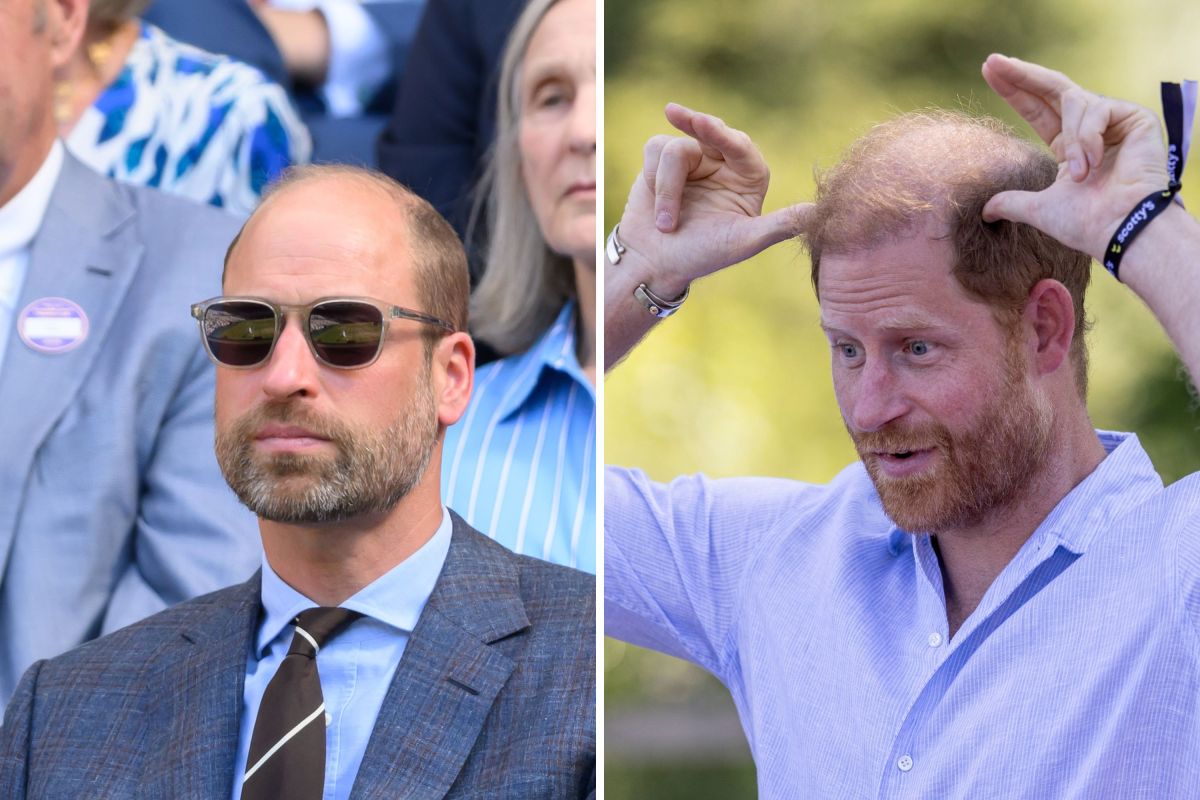
In the shadow of Buckingham Palace, a quiet but profound rift has emerged within the British monarchy’s inner circle. While Prince Harry’s recent return to the UK and reunion with King Charles III has been widely reported, Prince William’s perspective remains largely unexplored. This is not a story of open conflict but of subtle, strategic disengagement—a dynamic that reveals the complexities of modern monarchy.
Prince William, the Prince of Wales, has been described by royal experts as 'can appreciate' the complexities of King Charles’s decision to reunite with Prince Harry, yet he 'wouldn’t have done it himself.' This nuance is critical to understanding the evolving dynamics of the royal family. Unlike his brother, who has been embroiled in a high-profile security battle and public disputes, William’s response has been marked by restraint. His actions, observed by close advisors, suggest a calculated approach to navigating the fallout from Prince Harry’s recent UK-based security challenges.
Why Does Prince William’s Silence Matter?
Experts like royal analyst Katie Nicholl, a Vanity Fair correspondent and host of 'The Royals Uncensored,' have highlighted that William’s reluctance to engage directly with Harry’s situation stems from a deep understanding of the monarchy’s delicate balance. While Harry’s security concerns have been amplified by media narratives, William’s role as a protector of the institution remains uncompromised.
- William’s strategic silence reflects his focus on safeguarding royal unity and minimizing public disruption.
- His avoidance of direct commentary aligns with the monarchy’s protocol of maintaining a unified front during crises.
- Unlike Harry, who has chosen to publicly challenge the monarchy’s structure, William has prioritized stability over confrontation.
The recent security battle involving Prince Harry has left William 'close to tears' according to sources, yet he maintains composure. This tension underscores the emotional weight of royal duty versus personal relationships within a system that demands constant adaptation.
What Does This Mean for the Future?
As the monarchy navigates the aftermath of Harry’s return to the UK, William’s measured response highlights a critical shift in royal communication. His 'not recognizing' Harry as a security threat—despite the latter’s proximity to the king—demonstrates a nuanced understanding of the monarchy’s operational challenges.
While Prince Harry’s actions have led to a 'week of chaos' for the royal family, William’s quiet resolve offers a template for managing internal royal discord without triggering public panic. His approach, grounded in historical precedent and modern royal protocols, ensures that the monarchy’s symbolic continuity is preserved even amid personal friction.