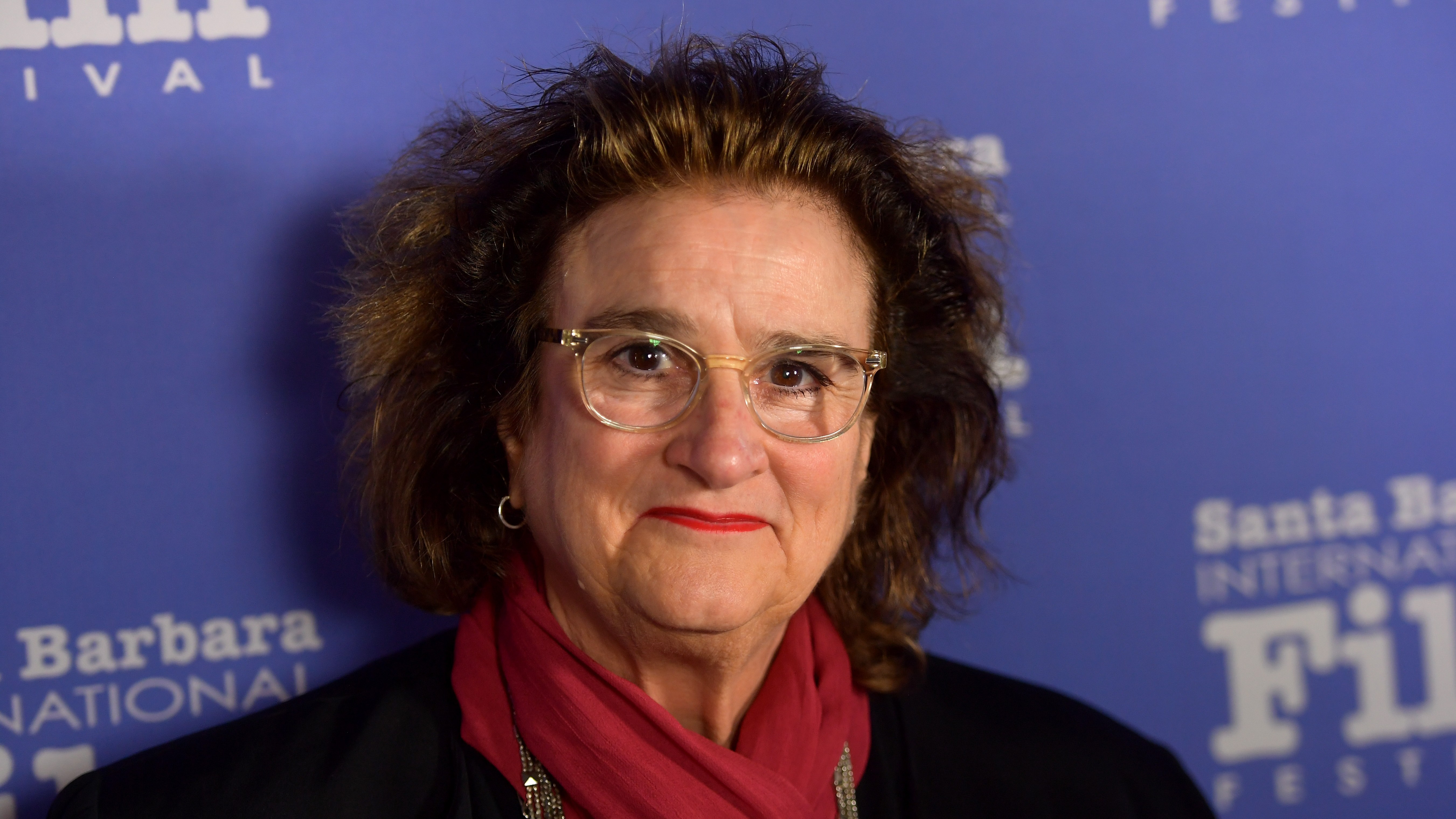
Once Upon a Time in Hollywood: The Lasting Legacy of Barbara Ling

Editor 14 Jul, 2026 ... min lectura

In the golden age of cinema, few figures left as indelible a mark as Barbara Ling, the visionary production designer whose work on Quentin Tarantino's Once Upon a Time in Hollywood became a cultural touchstone. Her death at 73 marks the end of an era that redefined how films are crafted and experienced.

Ling's journey began in the 1980s, where she worked on films like Michael, a biopic about the iconic singer and producer. Her collaboration with Tarantino on Once Upon a Time in Hollywood (2019) elevated production design beyond mere aesthetics—it became a narrative device. The film's meticulous recreation of 1960s Los Angeles, with its vintage cars, faded posters, and nostalgic charm, showcased Ling's ability to immerse audiences in a specific historical moment.

Her approach to production design was rooted in deep research and a commitment to authenticity. For example, in Once Upon a Time in Hollywood, she sourced vintage props from real-life Hollywood backlots, ensuring every element—from the weathered backlot sets to the period-appropriate clothing—felt genuine to the era. This level of detail wasn't just about visual storytelling; it was about creating a tangible connection between the audience and the story's emotional core.

Could Production Design Truly Reclaim Its Role in Modern Cinema?

Today, many critics question whether production design has become a 'background' element in contemporary filmmaking. Ling's work proves that it can be the heart of a film's narrative. Her designs in Once Upon a Time in Hollywood weren't just visual; they were emotional. The film's slow-burn pacing and focus on the fading golden age of Hollywood allowed the production design to carry the weight of the story's themes—revenge, nostalgia, and the passage of time.

  • Authenticity through meticulous historical replication
  • Emotional resonance via immersive environments
  • Narrative integration by treating sets as character

Ling's influence extends beyond her immediate projects. She mentored a generation of designers who now prioritize storytelling through visual elements. Her legacy is evident in the growing emphasis on production design as a critical component of cinematic language, not just a technical function.

As the film industry continues to evolve, Ling's work serves as a reminder that great design is about more than aesthetics—it's about understanding the story's deeper meaning and delivering it with precision and respect. Her death leaves a void, but her principles continue to inspire designers to prioritize storytelling through every frame.

Islas Malvinas Argentinas — Franja