Alcatraz: A Modern Tragedy Echoes the Island's Haunting Legacy

Editor 14 Jul, 2026 ... min lectura

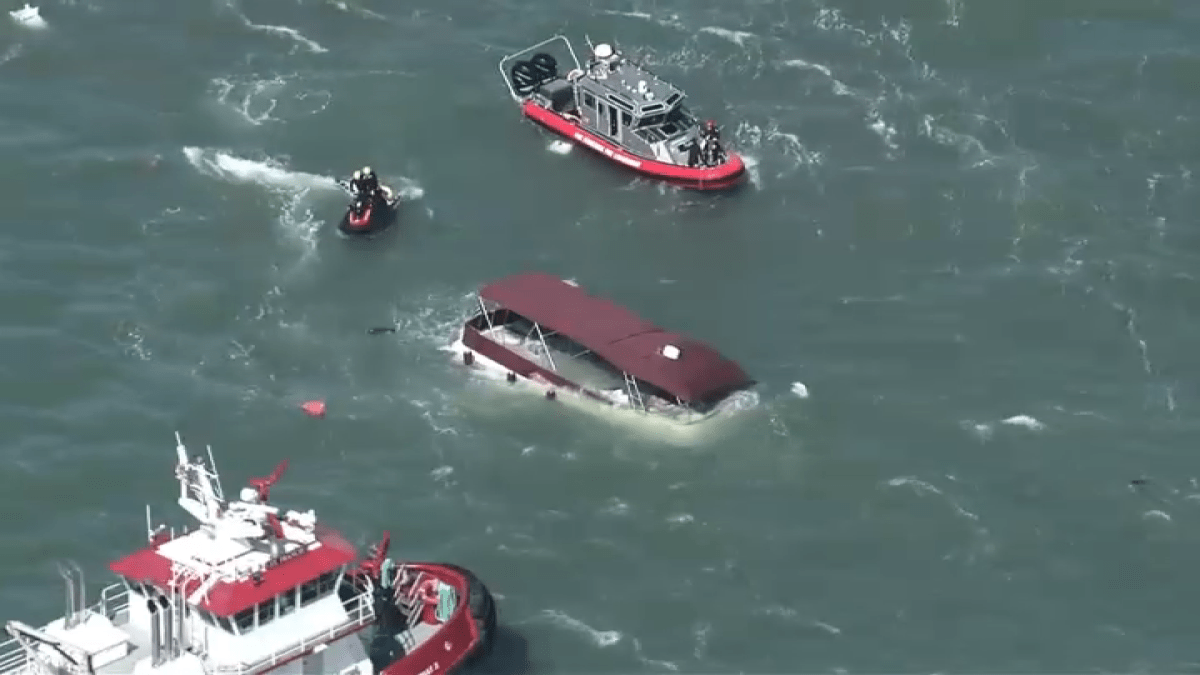
On July 1, 2026, a catastrophic incident unfolded in the San Francisco Bay near Alcatraz Island, the iconic prison that once symbolized America's most formidable penal system. A small vessel carrying passengers and crew encountered a sudden fire and rapid descent into the depths, resulting in one confirmed death, two missing persons, and 17 survivors rescued by the San Francisco Fire Department (SFFD). This event, while seemingly isolated from the island's storied past, reveals a haunting continuity between Alcatraz's historical significance and its modern-day resonance.

Alcatraz, located 1.3 miles from San Francisco, has long been associated with both historical and contemporary peril. Its 1950s history as a maximum-security prison, where over 10,000 inmates were held, is well documented. Today, the island is a National Historical Park, attracting over 2 million visitors annually. Yet, the 2026 incident underscores how the island's legacy extends beyond its prison days—into the present, where maritime hazards and human error continue to pose risks to those near its waters.

How does a 1950s prison island influence modern maritime safety?

The connection between Alcatraz's past and this incident is not coincidental. The island's rugged terrain and treacherous waters have always been a focal point for maritime challenges. In the 1950s, the U.S. Coast Guard monitored the area for shipwrecks and collisions. Today, the same waters are still prone to sudden weather shifts and limited visibility, which contributed to the boat's rapid sinking. The 2026 incident highlights how environmental factors and human decisions intersect in high-risk zones, a pattern that echoes the island's history of being a 'trap' for those who venture too close.

Analysts suggest that the 2026 event reflects broader trends in maritime safety. The U.S. Coast Guard has long emphasized the importance of early warning systems and emergency protocols for vessels operating in the Bay. With climate change intensifying coastal weather patterns, the risks to boats near Alcatraz have increased. This incident serves as a stark reminder that even well-mapped waters can become hazardous when combined with human error and technological limitations.

  • The 2026 incident demonstrates the critical need for real-time monitoring systems in high-risk maritime zones.
  • It highlights the importance of emergency response coordination between local and federal agencies.
  • It underscores the evolving challenges of maritime safety in a changing climate.

The incident also reveals a deeper truth: Alcatraz's legacy is not confined to its past as a prison. The island's identity as a place of danger and mystery continues to evolve, shaping how communities perceive and interact with its surroundings. The rescue efforts by the SFFD and the U.S. Coast Guard reflect a modernized approach to crisis management, where historical context informs present-day strategies.

As the sun sets over the San Francisco Bay, the echoes of Alcatraz's past and present collide. This event is not just a tragic accident but a critical case study in the ongoing relationship between human activity, environmental risks, and historical memory.