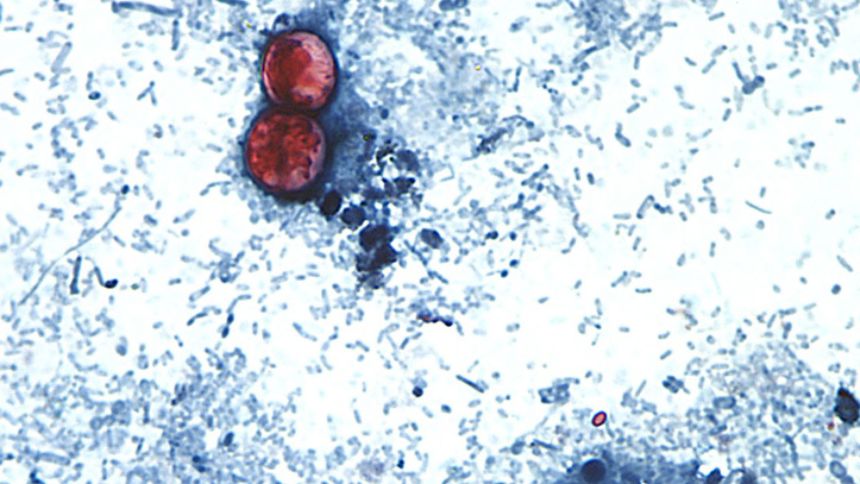
As global temperatures rise and extreme weather patterns intensify, a concerning connection between climate change and emerging infectious diseases is coming to light. Recent outbreaks of cyclosporiasis—a parasitic infection caused by the bacterium Cyclospora—have raised alarms about how shifting environmental conditions may be influencing the spread of this once-uncommon disease. In the United States, cases of cyclosporiasis have surged, with the CDC reporting a significant increase in outbreaks linked to contaminated food sources, particularly leafy greens. This overlap between climate-driven environmental changes and public health crises offers a critical case study for understanding the complex interplay between planetary health and human health.
Why Climate Change Is Amplifying Cyclosporiasis Risk?
The answer lies in the changing dynamics of water and food systems. As temperatures climb, the growth and survival of Cyclospora—a parasite that thrives in warm, stagnant water—accelerate. Warmer climates also increase the frequency of heavy rainfall events, which can overwhelm water treatment infrastructure and contaminate drinking water with pathogens. Additionally, warmer temperatures can enhance the survival of the Cyclospora oocysts in soil and water, creating a more persistent and widespread reservoir for infection.
Recent data from the CDC shows that cyclosporiasis outbreaks, often linked to contaminated lettuce and other leafy greens, have been increasing in scale and duration. In 2026, the CDC has noted a sharp rise in cases, with outbreaks now affecting multiple states simultaneously. This pattern aligns with climate-driven increases in water contamination events, where heavy rainfall and flooding create ideal conditions for the proliferation of Cyclospora in agricultural and water systems.
What Role Does the Food Chain Play?
- Contaminated Leafy Greens: Studies indicate that Cyclospora oocysts can survive in soil and water for months, contaminating crops like lettuce and spinach through irrigation or runoff from infected areas.
- Climate-Driven Contamination: Increased flooding and heavy rainfall events due to climate change can wash contaminated water into agricultural fields, leading to widespread contamination of leafy vegetables.
- Global Supply Chains: The global movement of produce across borders complicates trace-back efforts, making it difficult to identify the precise origin of outbreaks once they reach multiple states.
These factors combine to create a complex public health challenge where climate change is not only a driver of disease but also a critical factor in the persistence and spread of cyclosporiasis. The CDC has been working with state and federal partners to trace the sources of these outbreaks, but the growing scale and geographic spread of cases highlight the urgent need for integrated climate and public health strategies.