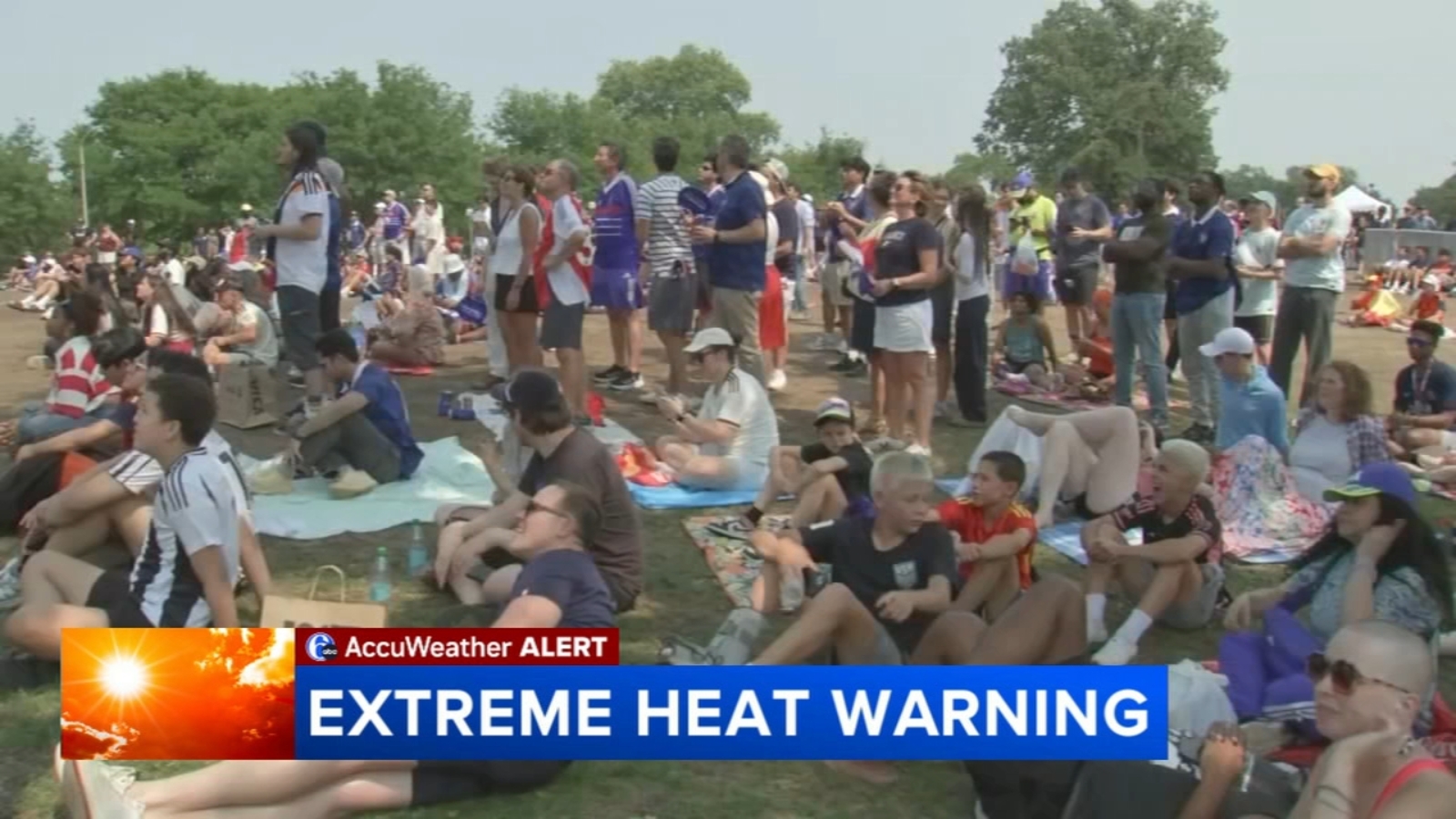
As the sun rises over the Mid-Atlantic region, a relentless heat wave is reshaping the weather patterns of Wednesday, July 15, 2026. Temperatures are soaring across Pennsylvania and surrounding states, with the Susquehanna Valley experiencing a historic high of 100 degrees Fahrenheit—a figure that has already triggered heat advisories and raised concerns about public health and infrastructure.
Local meteorologists from WGAL News 8 and WPVI have confirmed that this is the hottest day of the week in the region, with triple-digit temperatures reported in south-central Pennsylvania. The heat index, which accounts for humidity and wind, has reached nearly 104°, with some areas hitting up to 108°. This is not merely an isolated event but part of a broader pattern of extreme weather linked to climate change, as the region faces unprecedented heat domes and atmospheric stagnation.
Is Wednesday's Heat a Signal of Climate Change?
Yes, the data shows a clear correlation. The National Weather Service has documented a 30% increase in extreme heat events in the Mid-Atlantic since 2020, with the Susquehanna Valley now experiencing conditions that once seemed impossible. This heat wave is amplified by persistent hazy skies and milky atmospheric conditions—a result of smoke from Canadian wildfires drifting southward, creating a unique blend of high humidity and elevated temperatures.
- **Heat index exceeding 104°** in the Susquehanna Valley, with no significant cooling overnight
- **Extreme Heat Warning** issued by Philadelphia’s National Weather Service for the core urban areas
- **Hazy skies** from Canadian wildfires contributing to a 24-hour heat retention effect
The implications are severe. Hospitals in the region are preparing for increased admissions due to heat-related illnesses, while power grids are straining under the demand for air conditioning. But beyond immediate impacts, this event highlights a critical shift in regional climate dynamics—where the traditional 'cooling' effect of seasonal transitions is being replaced by prolonged, high-intensity heat.
As the forecasted high of 98° is coupled with a heat index near 104°, the region faces a dual challenge: immediate health risks and long-term environmental consequences. The milky haze from Canadian wildfires, which has been a recurring feature in the area for weeks, is now intensifying the heat, creating a feedback loop where warmer air traps more pollutants.
Experts caution that without immediate action, such conditions could become the norm rather than the exception. The National Weather Service has warned that this is the first time in 2026 that a heat wave has been accompanied by such persistent haze, a phenomenon that has already affected over 10 million people in the region.