Ramaphosa Declares Economic Emergency: A New Plan for South Africa?
President Cyril Ramaphosa has announced an "Economic Action Plan" amidst growing concerns about South Africa's struggling economy. The announcement comes as annualised GDP growth remains stubbornly low at 0.6% and unemployment has climbed to a staggering 33.2%. The plan aims to address critical roadblocks hindering economic progress and boost job creation.
The plan shares similarities with the Democratic Alliance's (DA) "Plan to Turbocharge the Economy," focusing on removing obstacles to growth. Key proposed reforms include increased private sector participation in electricity and logistics, professionalising the civil service, ringfencing revenue for reinvestment in infrastructure, and expanded support for SMEs.
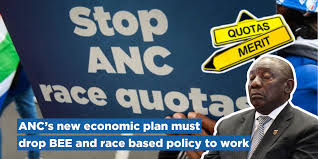
However, concerns remain about the African National Congress' (ANC) commitment to fully implementing these reforms. Critics point to the continued defence of Black Economic Empowerment (BEE) policies, which they argue have deterred investment, stifled growth, and disproportionately benefited ANC members while failing to meaningfully improve the lives of most black South Africans.
The DA has expressed support for reforms that genuinely stimulate economic growth but emphasizes the need for an empowerment model that directly benefits poor communities and creates pathways out of poverty. They plan to introduce legislation in Parliament to achieve this goal.
The success of Ramaphosa's economic plan hinges on the ANC's willingness to embrace meaningful change and prioritize policies that benefit all South Africans, not just a select few. The declining electoral support for the ANC underscores the urgent need for effective economic solutions.
Key Challenges and Opportunities
- High unemployment rate
- Low GDP growth
- Ineffective BEE policies
- Need for private sector investment
- Infrastructure development