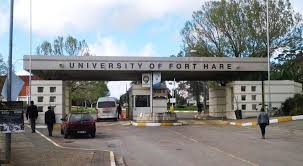
The University of Fort Hare (UFH) has suspended all in-person academic activities at its Dikeni and East London campuses following a wave of student protests. The drastic measure, announced on Tuesday, includes the cancellation of lectures, practical sessions, tests, and seminars. The university aims to restore calm and has shifted to online learning until Thursday.
Why the Protests?
Students are voicing strong concerns regarding several issues. These include demands for changes in university management, improvements to the conditions of residences, and fair Student Representative Council (SRC) elections. Reports indicate that protests involved students blocking the R63 highway with burning tyres and, tragically, the gutting of the student centre by fire.
Police Intervention and Arrests
Police were deployed to monitor the ongoing protests. Five male students were arrested on Monday and appeared in the Dikeni magistrate's court on Tuesday. They face charges of public violence, and their case has been postponed to November 26. They have been released with a warning.
SRC Accusations and Government Response
SRC secretary-general Odwa Msaro has accused the university administration of failing to engage meaningfully with students and alleges excessive force by the police. Eastern Cape Premier Oscar Mabuyane has condemned the violence and called for calm, urging student leaders to engage in constructive dialogue with university management instead of resorting to vandalism. The Ministry of Higher Education is also closely monitoring the situation and has scheduled a meeting to address the students’ concerns. The students are aggrieved by the amendment of the student governance constitution, which they claim was decided upon without the input of the elected Student Representative Council (SRC).
The situation at the University of Fort Hare remains tense as stakeholders work to find a resolution. The suspension of in-person activities highlights the severity of the unrest and the urgent need for dialogue and compromise.